Lampstands in the Shadows: Courage and Comfort from Patmos
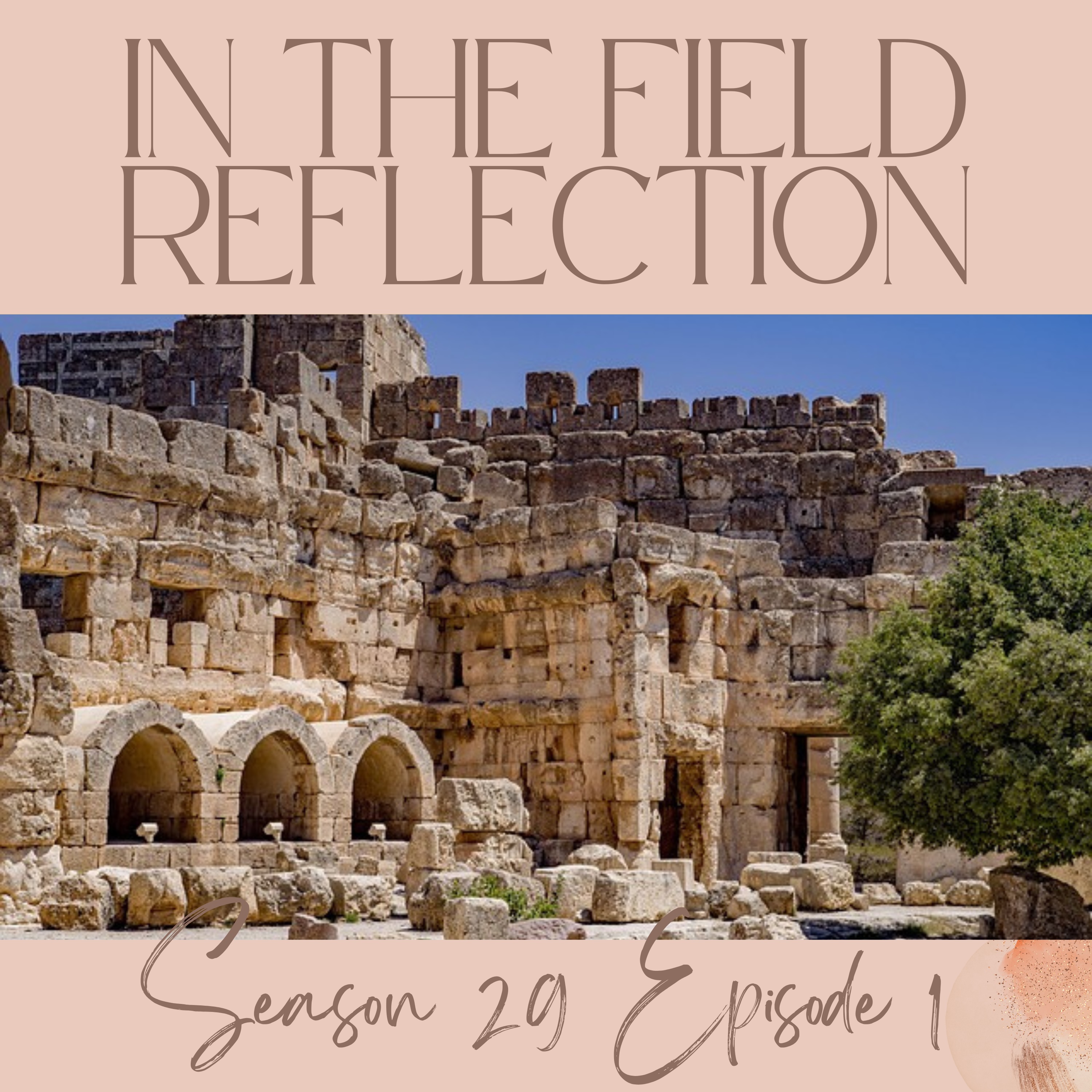
The sea wind of Patmos still feels close when we slow down and hear Revelation 1 with fresh ears. This episode guides us from quiet preparation into John’s exile, where solitude becomes a holy classroom. We linger with the textures of the island—the rough stone, the salt air, the ache of distance—and then lift our eyes to the moment that changes everything: a voice like a trumpet and the blazing nearness of the Son of Man. By holding both the human setting and the divine encounter, we gain a grounded entry into a book often treated as distant or opaque. The result is courage and comfort from Patmos for ordinary days and reverence for Christ who walks among lampstands.
John’s vision is not spectacle for spectacle’s sake. Each detail carries pastoral weight: the white hair signals wisdom, the bronze feet announce stability in turmoil, the sword from his mouth points to the power of his word, and the right hand holding seven stars assures care for his church. Hearing “Do not be afraid” after falling as though dead reframes fear through resurrection hope. This is how Revelation opens: not with coded headlines, but with the Living One who was dead and is now alive forevermore. The keys of death and Hades remind us that ultimate authority rests with Christ, not empires, markets, or moods. When we absorb that truth slowly, anxiety loosens its grip and prayer finds its voice.
We also meet the seven churches, not as abstractions but as communities with texture, scent, and struggle. Ephesus wrestles with forgotten love amid busy faithfulness. Smyrna stands firm under slander and poverty, rich in what cannot be stolen. Pergamum resists the pressure of imperial worship high on its rocky perch. Thyatira tries to be faithful where trade guilds and compromise collide. Sardis dozes in yesterday’s glory, craving wakefulness. Philadelphia holds open doors with patient endurance. Laodicea glitters with self-sufficiency yet needs the healing of true sight. These portraits act like mirrors; most of us can locate our own temptations and longings in at least one of these cities.
The thread that ties them together is presence: Christ walks among the lampstands. The image is gently corrective and deeply consoling. We are seen, known, and addressed. Revelation is not a puzzle book that rewards clever decoding; it is a pastoral letter that calls us to worship, endurance, and witness. Its symbols are rooted in Scripture’s own patterns—Daniel’s Son of Man, Isaiah’s glory, Ezekiel’s vision—and point to Jesus as the faithful witness and ruler over kings. That theological center steadies the imagination, so we approach the book not with fear but with expectancy, ready to receive grace and peace from the One who is, who was, and who is to come.
Listening to Revelation aloud helps us move from debate to devotion. The cadence of blessing—“Blessed is the one who reads and those who hear”—invites us to keep what we hear, not just analyze it. Keeping looks like small, stubborn acts: returning to first love, telling the truth, refusing fear, sharing hope, and praying for weary saints. As we practice these habits, the lamp of faith brightens. Empires still boast and markets still shout, but the roar of many waters speaks a better word. We learn to rest in Christ’s dominion and to serve as a kingdom of priests, carrying intercession into ordinary places.
The episode ends with a call to perseverance and a simple invitation: pass along comfort to someone who needs it. That is the rhythm of Revelation’s opening chapter—receive, keep, and share. When our hearts are quieted, we can hear the kindness in Christ’s command, “Fear not.” When we share, we become part of the lampstands’ glow in a dark night. Patmos then becomes more than an island; it becomes a way of seeing the world with steady hope. The Alpha and Omega holds time itself, and in his light we find courage to keep watch, love well, and endure.
Missionary
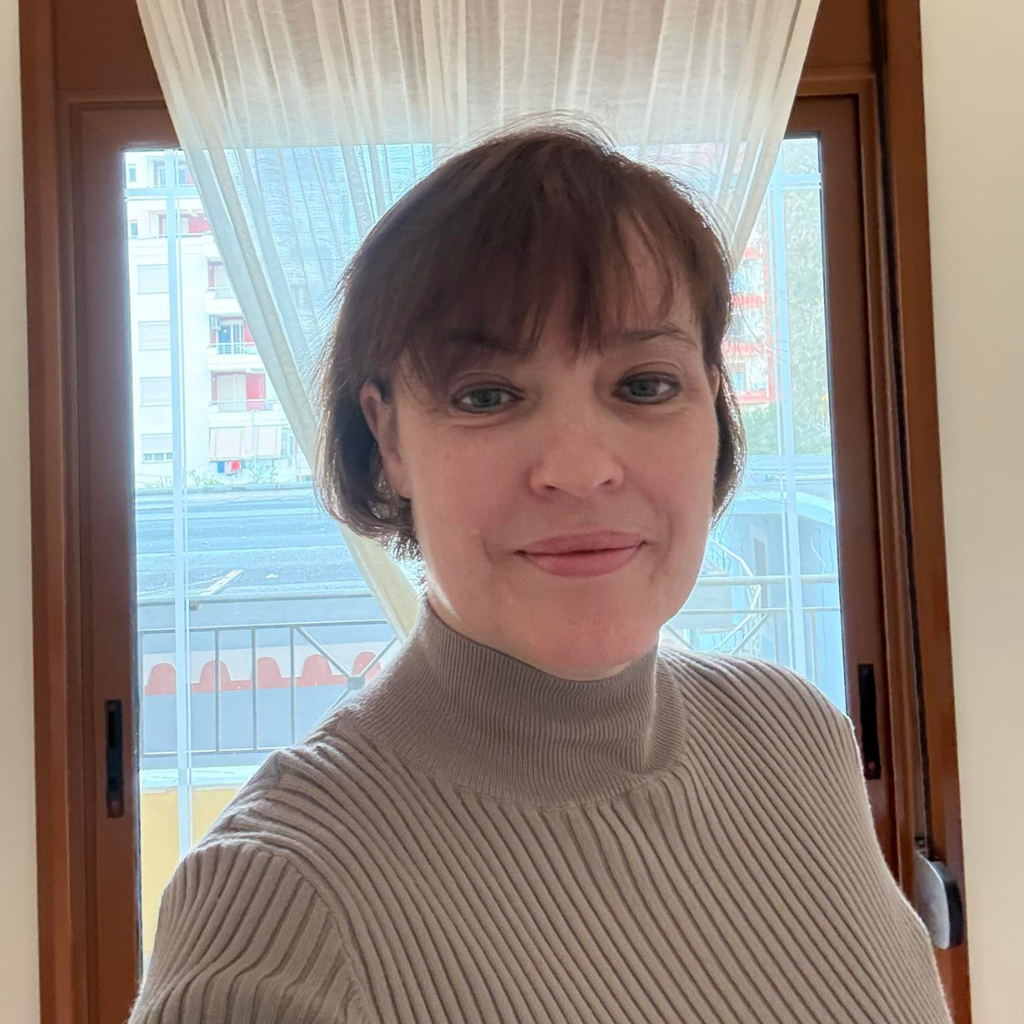
Christie is a missionary and ordained pastor—a dedicated servant of faith whose life and ministry are centered on sharing God’s Word and bringing comfort to those in need. With a heart shaped by years of military service and missionary outreach in the Caribbean, Africa, and Europe, Christie has long been drawn to serve people from all walks of life.
During her time serving in Thessaloniki, Greece, Christie led a street ministry focused on reaching the city’s homeless community. Equipped with compassion, prayer, and audio bibles in the Greek language, she shared the hope of the Gospel with those living on the margins—offering not just Scripture, but presence, listening, and love.
Her work through In the Field Audio Bible is a natural extension of that calling. These recordings allow Christie to reach listeners with the soothing, uplifting power of God’s Word, whether they are at home, in shelters, or navigating life’s most difficult roads. With every reading, she brings warmth, empathy, and a deep sense of God’s presence—creating sacred moments of peace, encouragement, and spiritual connection.
In August 2025, Christie moved to Vlorë, Albania, continuing her mission of delivering the audio bible to those in need—bringing the hope of Scripture to a new community longing for truth, comfort, and the presence of God.
Christie’s mission remains simple but profound: to offer the gift of faith, comfort, and the transformative hope of Scripture—one verse, one voice, and one soul at a time.

Stillness in Battle: Confidence Beneath Heaven’s Rule

