Whispers in the Night: Creation Sings Our Name
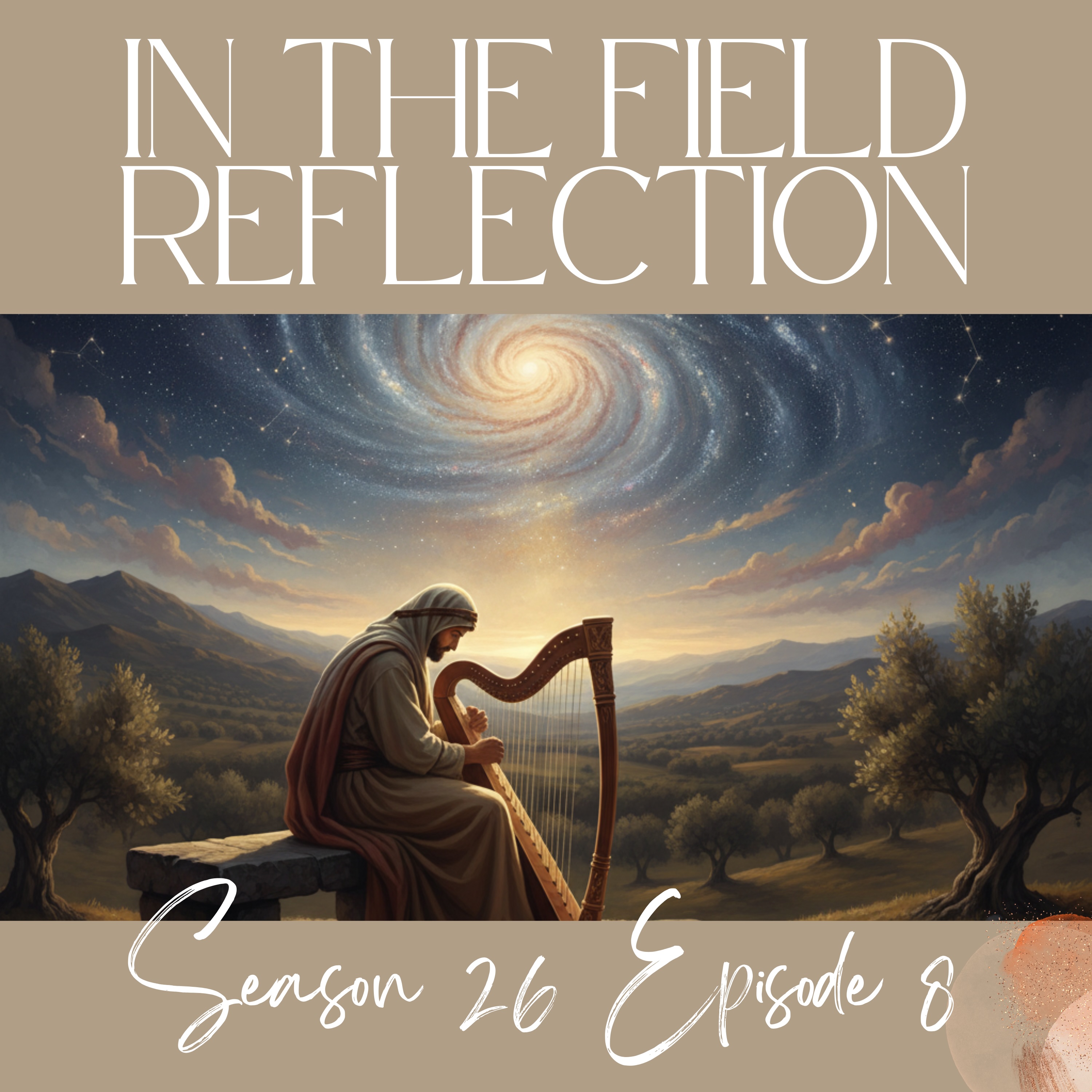
Beneath a silver sky, the language of Psalm 8 takes on breath and warmth. The episode opens with an invitation to slow down and receive Scripture not as a lecture, but as a lived place where memory, scent, and sound awaken the heart. We stand with a shepherd near Bethlehem, the hills washed with recent rain and the air bright with wild thyme. The world is hushed and expectant, and that stillness becomes a doorway to awe. Creation is not a backdrop; it is a choir where creation sings our name. Stars crowd the dark like a river of light, and the moon lays a soft path across the fields. From the first moments, the theme is clear: wonder leads to worship, and worship restores the soul.
The story widens as memory meets mystery. The narrator threads his night watch to the journeys of Abraham, Jacob, and Moses, recalling promises counted like stars and prayers raised in lonely places. Their faith is not museum glass; it is the living current that carries this quieter life along. The shepherd’s staff, the cool stone, the whisper of olive leaves—each detail grounds a grand truth: we are part of a covenant that outlasts empires. That sense of belonging pushes back fear and restlessness, offering a grounded identity. In a fractured world, this is no small gift. To be located in God’s story is to find steadiness when power shifts and voices rise.
Then comes the paradox at the center of Psalm 8: we are small, yet crowned with glory. The field becomes a classroom where dominion is learned as care, not conquest. A trembling lamb, lifted and calmed, becomes a parable of stewardship—authority that protects, guides, and serves. The episode lingers here, making room for listeners to feel both humility and honor. The heavens declare, and the heart answers: what are humans that You are mindful of us? The question is not despair but amazement; it is the gap between our breath and the galaxies, bridged by divine attention.
Community glows at the edge of the firelight: a traveler with spice stories, a widow seeking a lost goat, children tracing fireflies. In each face the image of God appears, resilient and luminous. This is a theology of the ordinary where fresh bread, shared wine, and unguarded laughter preach as clearly as any pulpit. The episode points us toward a daily liturgy—seeing, listening, welcoming—through which we practice Psalm 8’s dominion with tenderness. It suggests that holiness often arrives on tired feet and with simple meals, while the sky above keeps watch.
The reading of Psalm 8 lands like a bell, clear and steady. The words name the majesty of God and the entrusted care given to human hands. As dawn lifts the night, the reflection turns toward blessing and courage. The sun edges the valley with gold, and the narrator prays that we carry this calm into our hours. This is practical spirituality: awe that leads to action, wonder that becomes witness. The call is gentle but direct—notice the fingerprints of God in sunrise and kindness, in the quiet and the crowds. Let worship shape how we work, serve, and speak.
The closing movement gathers the threads. We are seen, known, and loved; we are part of a story larger than our fears. Peace is not escapism but orientation—finding true north under a sky that has watched saints and wanderers alike. The blessing sends us out with confidence that God’s presence meets us in decisions, challenges, and patient acts of faith. Psalm 8 becomes both a song and a map: lift your eyes, receive your crown of care, and walk lightly yet bravely into the day. Under the same stars, we learn again how small we are—and how cherished.
Missionary
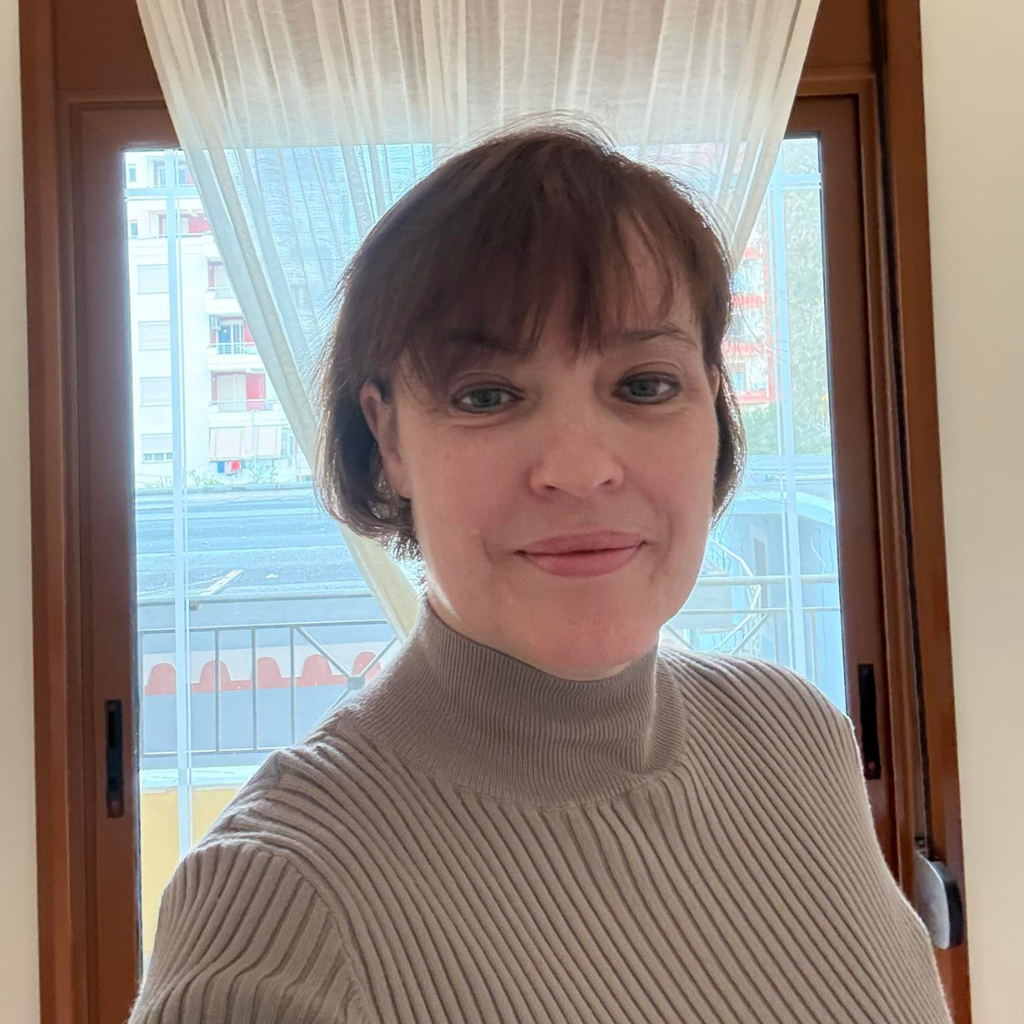
Christie is a missionary and ordained pastor—a dedicated servant of faith whose life and ministry are centered on sharing God’s Word and bringing comfort to those in need. With a heart shaped by years of military service and missionary outreach in the Caribbean, Africa, and Europe, Christie has long been drawn to serve people from all walks of life.
During her time serving in Thessaloniki, Greece, Christie led a street ministry focused on reaching the city’s homeless community. Equipped with compassion, prayer, and audio bibles in the Greek language, she shared the hope of the Gospel with those living on the margins—offering not just Scripture, but presence, listening, and love.
Her work through In the Field Audio Bible is a natural extension of that calling. These recordings allow Christie to reach listeners with the soothing, uplifting power of God’s Word, whether they are at home, in shelters, or navigating life’s most difficult roads. With every reading, she brings warmth, empathy, and a deep sense of God’s presence—creating sacred moments of peace, encouragement, and spiritual connection.
In August 2025, Christie moved to Vlorë, Albania, continuing her mission of delivering the audio bible to those in need—bringing the hope of Scripture to a new community longing for truth, comfort, and the presence of God.
Christie’s mission remains simple but profound: to offer the gift of faith, comfort, and the transformative hope of Scripture—one verse, one voice, and one soul at a time.

Throne Room Glory: Heaven’s Eternal Worship Scene

