Alone in Pain: Discovering God’s Mercy at Midnight
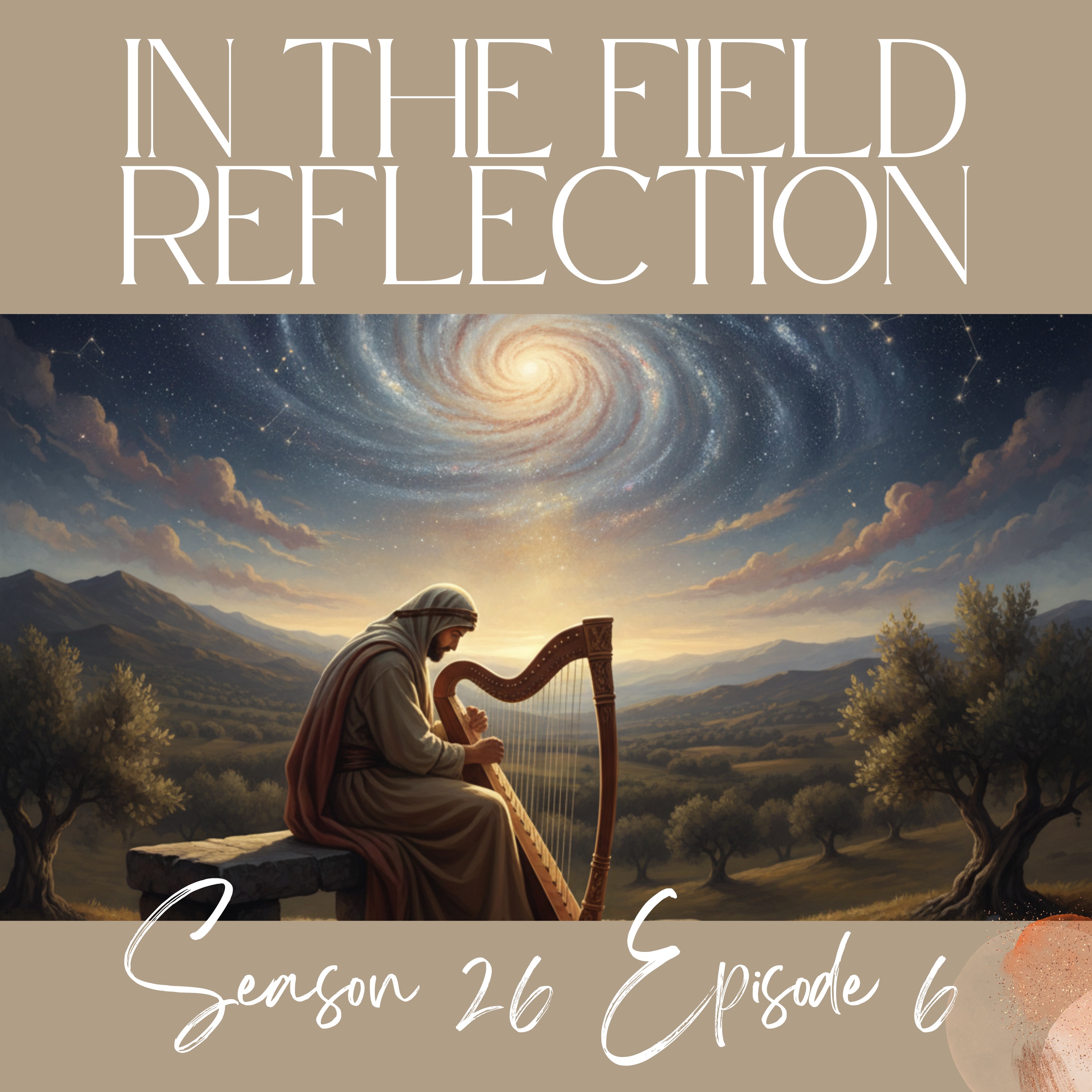
The quiet power of Psalm 6 is how it names the ache without losing sight of God’s nearness. This episode invites us into that movement: from trembling bones and sleepless nights to the steadying truth that the Lord has heard. We begin by framing Scripture as a place of rest, then walk with David through illness, fear, and isolation that feel startlingly current. The tenderness of the narrative slows us down—mist on the hills, the weight of fatigue, friends who keep their distance—so our own anxieties have space to surface. Lament is not a failure of faith here; it’s faith breathing under pressure, daring to speak plainly to God while clinging to mercy and discovering God’s mercy at midnight.
As the reading unfolds, lament turns to petition with a simple, ancient cry: How long? This is not a timeline demand; it’s a heart’s reflex when suffering lingers. The prayer asks for grace, healing, and rescue for the sake of God’s steadfast love, rooting hope not in personal worth but divine character. That move reshapes spiritual imagination. We are not bargaining with God; we are returning to who God has always been. The text names grief, sleeplessness, and opposition without embellishment, then pivots to defiant trust: the Lord has heard, the Lord accepts. This shift is pastoral and practical, modeling how to pray when words feel thin and strength is spent.
The episode lingers beneath olive trees and under the night sky to show how creation steadies the soul. Stars recall covenant faithfulness, and the open air becomes a sanctuary where honesty is safe. This is gentle spiritual formation: let the body feel, let the mind quiet, let memory of God’s promises do its work. In a culture that rushes past pain or packages it into platitudes, Psalm 6 slows us to notice the ache and then place it in God’s hands. The imagery of watchmen, mothers, Levites, and distant songs paints a world still held together while one heart waits for dawn, reminding us that our sorrow is not the only sound in the night.
Crucially, the episode resists quick fixes. It does not guarantee immediate healing or tidy outcomes. Instead, it teaches a durable rhythm: tell the truth about your wounds, ask boldly for mercy, remember God’s faithfulness, and rest in the promise that new mercies rise with the morning. The blessing offered near the end is not sentimental; it’s a liturgy for the weary. Peace deeper than ache. Hope that stirs before sunrise. A God who gathers tears and does not waste them. These are not abstractions but practices we can carry—breathing beneath the stars, praying short honest prayers, and letting Scripture speak when our own language fails.
Finally, we circle back to community. Sharing the reading is framed as letting the living story grow, because every time someone hears God’s word in a hard season, courage is multiplied. The call to pass it on isn’t marketing; it’s ministry. When listeners extend this comfort to a friend in a valley of shadows, the arc of Psalm 6 continues across lives and days. That is the quiet revolution of lament: it does not end in itself. It moves us toward trust, toward blessing, and toward each other, until the words once whispered by a sick and lonely king become the anthem that helps us all stand and wait for the light.

Missionary
Christie is a missionary and ordained pastor—a dedicated servant of faith whose life and ministry are centered on sharing God’s Word and bringing comfort to those in need. With a heart shaped by years of military service and missionary outreach in the Caribbean, Africa, and Europe, Christie has long been drawn to serve people from all walks of life.
During her time serving in Thessaloniki, Greece, Christie led a street ministry focused on reaching the city’s homeless community. Equipped with compassion, prayer, and audio bibles in the Greek language, she shared the hope of the Gospel with those living on the margins—offering not just Scripture, but presence, listening, and love.
Her work through In the Field Audio Bible is a natural extension of that calling. These recordings allow Christie to reach listeners with the soothing, uplifting power of God’s Word, whether they are at home, in shelters, or navigating life’s most difficult roads. With every reading, she brings warmth, empathy, and a deep sense of God’s presence—creating sacred moments of peace, encouragement, and spiritual connection.
In August 2025, Christie moved to Vlorë, Albania, continuing her mission of delivering the audio bible to those in need—bringing the hope of Scripture to a new community longing for truth, comfort, and the presence of God.
Christie’s mission remains simple but profound: to offer the gift of faith, comfort, and the transformative hope of Scripture—one verse, one voice, and one soul at a time.
Stone Corridor Echoes: Faith Walks Through Injustice