The Long Obedience: Faith Tested by Time and Distance
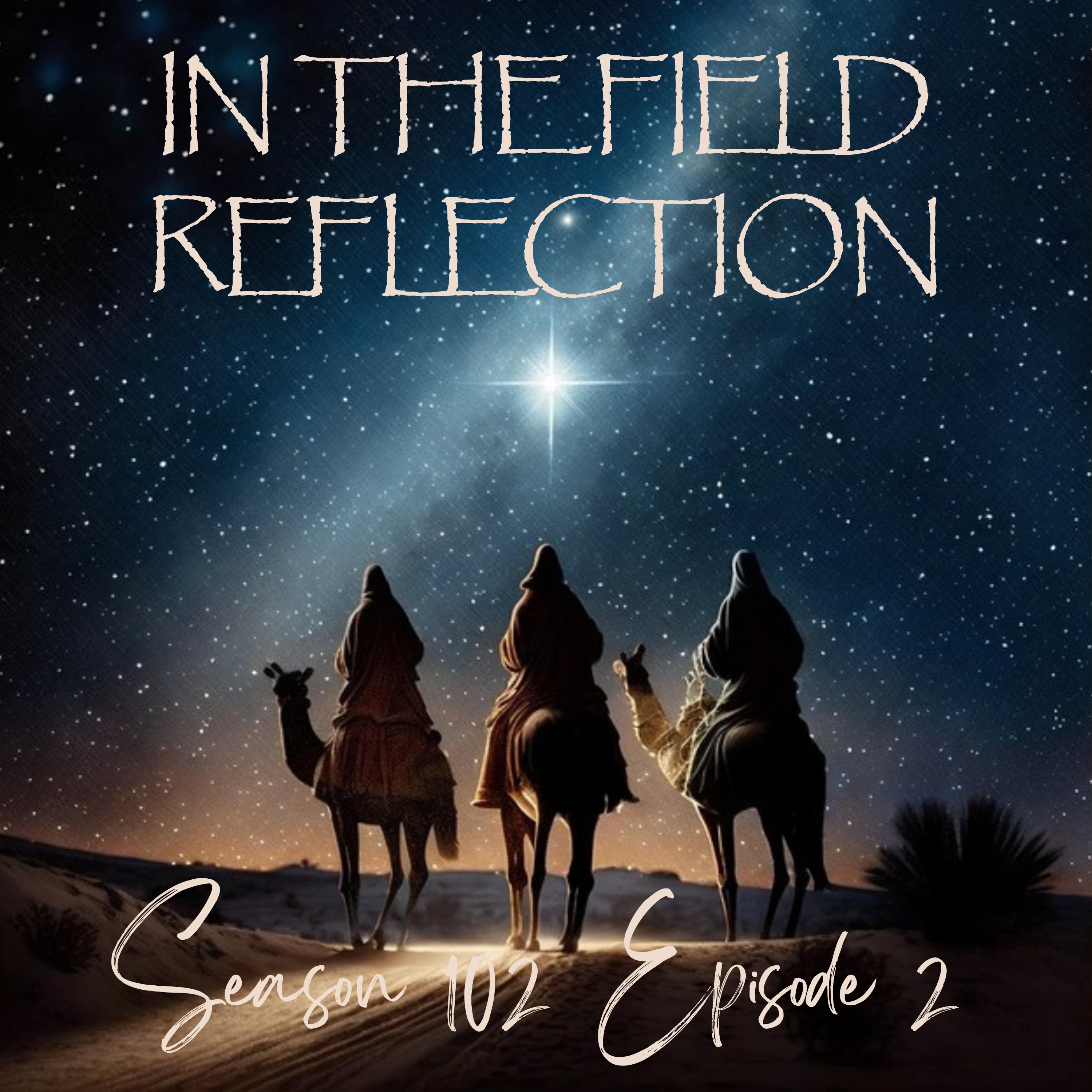
The journey begins with a Star and becomes a test of endurance, faith tested by time and distance. We follow Caspar, Melchior, and Balthazar as they leave Babylon’s certainty for the desert’s quiet, trading instruments for trust and comfort for calling. The heat hits from sky and sand, the water tastes like leather, and food turns brittle as pottery. Yet the caravan’s cadence—pad of feet, tinkle of bells, creak of leather—teaches a new rhythm of belief. The Star vanishes by day and returns by night, forcing a choice: live by what was seen or by what currently appears. Here, faith moves from theory to muscle, repetition to resolve, a long obedience formed mile by mile.
As months stack, the landscape shifts, and so do the travelers. Doubt flares in the fourth month when water runs low, and bandits haunt the oasis, and a Bedouin trader’s bells arrive like grace. Around sparse fires, languages mingle—Arabic, Persian, Aramaic, Greek—and practical men question the wisdom of crossing a thousand miles to worship a child. Sandstorms drive the Three Magi to shelter; there, Balthazar names the pattern: every step toward Bethlehem mirrors a step Christ will take toward Calvary. Their worship will cost them, because true worship always does. Endurance hardens into hope, and hope clarifies purpose, stripping life down to essentials that can survive the wind.
Near the tenth month, silence thins into the hum of settled life. Goats bleat, wells splash, roosters mark the dawn, and the Three Magi’s voices pick up the inflections of Aramaic as Judea nears. Then Jerusalem rises, dazzling and loud, yet laced with fear. The city’s tension vibrates under every conversation; the Star itself seems to dim at the walls, as if heaven warns that politics can smother praise. A royal summons arrives, sharp as armor in the dark. On a rooftop the night before Herod, the breeze carries smoke, incense, and worry. Faith must hold not only against hunger and heat but against menace and manipulation.
The narrative opens into a timeless chamber where Isaiah, Habakkuk, Matthew, John, and the scribe of Hebrews gather. They name the core of the Three Magi’s pilgrimage: waiting as active trust, endurance as worship, and guidance as more than visibility. “We have seen his Star” becomes a creed stronger than noon-day emptiness. Habakkuk’s “though it tarries” meets Hebrews’ “run with endurance,” and Isaiah’s soaring promise reframes delay as preparation. The conversation turns pastoral: remember what you’ve seen of God’s faithfulness, hold promises when sight fails, fix your eyes on Christ. The Three Magi brought gifts, but first they became gifts—living sacrifices on a long road.
Returning to Jerusalem, the rooftop vigil resumes beneath a pulsing star. Fear is honest, but it doesn’t get the final word. The city settles into watch changes and whispering courts, and the travelers steady their hearts for a throne room where a child threatens a tyrant. The episode closes with a blessing and a charge: share endurance with those on their own hard roads, because perseverance is contagious. The truth here is simple and strong: spiritual endurance, biblical waiting, the Three Magi's journey, and faith under pressure all converge in a story that guides modern listeners through deserts of doubt, deadlines, and delay. The Star still shines; the race continues; and the finish line is worth every mile.

Missionary
Christie is a missionary and ordained pastor—a dedicated servant of faith whose life and ministry are centered on sharing God’s Word and bringing comfort to those in need. With a heart shaped by years of military service and missionary outreach in the Caribbean, Africa, and Europe, Christie has long been drawn to serve people from all walks of life.
During her time serving in Thessaloniki, Greece, Christie led a street ministry focused on reaching the city’s homeless community. Equipped with compassion, prayer, and audio bibles in the Greek language, she shared the hope of the Gospel with those living on the margins—offering not just Scripture, but presence, listening, and love.
Her work through In the Field Audio Bible is a natural extension of that calling. These recordings allow Christie to reach listeners with the soothing, uplifting power of God’s Word, whether they are at home, in shelters, or navigating life’s most difficult roads. With every reading, she brings warmth, empathy, and a deep sense of God’s presence—creating sacred moments of peace, encouragement, and spiritual connection.
In August 2025, Christie moved to Vlorë, Albania, continuing her mission of delivering the audio bible to those in need—bringing the hope of Scripture to a new community longing for truth, comfort, and the presence of God.
Christie’s mission remains simple but profound: to offer the gift of faith, comfort, and the transformative hope of Scripture—one verse, one voice, and one soul at a time.
Unheard No More: The God Who Sees the Forgotten