Stone Corridor Echoes: Faith Walks Through Injustice
The ache of injustice visits us in ordinary hours: the walk down a quiet corridor, the early light on the city walls, a story told by a man whose work was taken by deceit. This episode lingers in that ache without rushing past it, letting Psalm 10 set the pace. The narrative voice admits the limits of human power and the weight leaders carry when the systems built to guard the weak bend toward the strong. Listeners meet a merchant wronged by corruption, feel the restless night of prayer, and watch a soul ask the oldest questions with fresh honesty. Where is God when cruelty thrives, when the poor cry out, when the powerful say no one sees? In these moments, faith walks through injustice, choosing to remain, to witness, and to trust even when answers are slow. The passage doesn't offer a tidy bow; instead, it invites a steadying trust that God notes trouble and grief and will act.
Psalm 10 becomes the spine of our reflection. Its lines map the behavior of the wicked with painful clarity: ambush, deceit, nets set for the helpless. The psalm refuses to soften the world’s rough edges; it names them and then calls on God to rise. That pivot—lament to petition—matters. It teaches us to turn raw perception into prayer, not denial. We hear the plea to “break the arm of the wicked,” biblical shorthand for ending predatory power at its source. We also hear the promise that God strengthens the heart of the meek and listens to the orphan. The reading settles the soul, not by ignoring injustice, but by placing it before the one Judge who sees what courts miss and what crowds forget.
The story widens beyond the chamber and the scroll. Memory returns to fields and lions, to straightforward dangers that met a straightforward courage. Now evil wears polite smiles and polished titles, so the response must shift as well. The reflection shows how small acts of justice add up: an elder refusing a bribe, a scribe choosing truth, a woman speaking though it costs her. These are not headlines; they are habits. The city changes because people choose the narrow path at the gate where pressure to favor wealth and status stands tall. For listeners, this becomes a practical liturgy—seek what is right in reachable places, case by case, word by word, choice by choice.
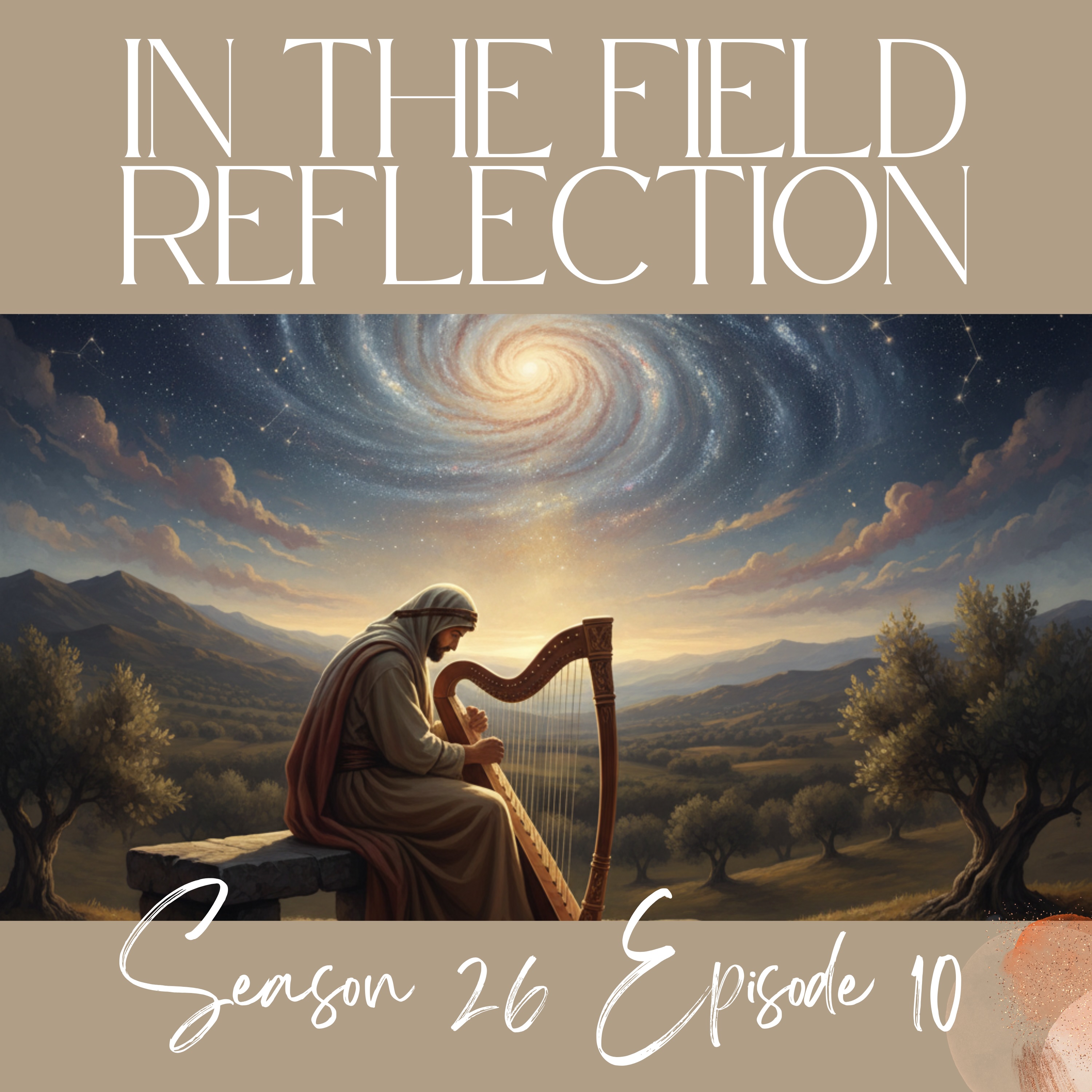
Prayer threads through the day like music. In the garden, honesty and worship mingle without canceling each other. The voice sings both longing and praise, echoing Abraham’s question and Hannah’s tears. That history matters. It tells us that faith has always included wrestling and waiting, not just victory songs. By evening, trust returns—not because every question is answered, but because God’s character anchors the questions themselves. “You will incline your ear,” the psalm says, and the heart settles into that promise enough to sing again. This is hope with callouses: not naive, not numb, but steady.
For those unsure what to do next, the path is modest and strong. Share the comfort you’ve received. Stand firm when shortcuts whisper. Look for the quiet miracles that mark God’s nearness: bread shared, a hand offered, a bribe refused, a judge who listens. Let Scripture train your sight so you recognize both the trap and the way out. And when night returns with its silence, borrow the words of Psalm 10. Ask with courage. Trust without pretense. Rest in the God who strengthens the heart of the meek and will one day set all things right.

Missionary
Christie is a missionary and ordained pastor—a dedicated servant of faith whose life and ministry are centered on sharing God’s Word and bringing comfort to those in need. With a heart shaped by years of military service and missionary outreach in the Caribbean, Africa, and Europe, Christie has long been drawn to serve people from all walks of life.
During her time serving in Thessaloniki, Greece, Christie led a street ministry focused on reaching the city’s homeless community. Equipped with compassion, prayer, and audio bibles in the Greek language, she shared the hope of the Gospel with those living on the margins—offering not just Scripture, but presence, listening, and love.
Her work through In the Field Audio Bible is a natural extension of that calling. These recordings allow Christie to reach listeners with the soothing, uplifting power of God’s Word, whether they are at home, in shelters, or navigating life’s most difficult roads. With every reading, she brings warmth, empathy, and a deep sense of God’s presence—creating sacred moments of peace, encouragement, and spiritual connection.
In August 2025, Christie moved to Vlorë, Albania, continuing her mission of delivering the audio bible to those in need—bringing the hope of Scripture to a new community longing for truth, comfort, and the presence of God.
Christie’s mission remains simple but profound: to offer the gift of faith, comfort, and the transformative hope of Scripture—one verse, one voice, and one soul at a time.
Bound Yet Soaring: Paul's Letter to Ephesus