Divided No More: Finding Harmony in Christ
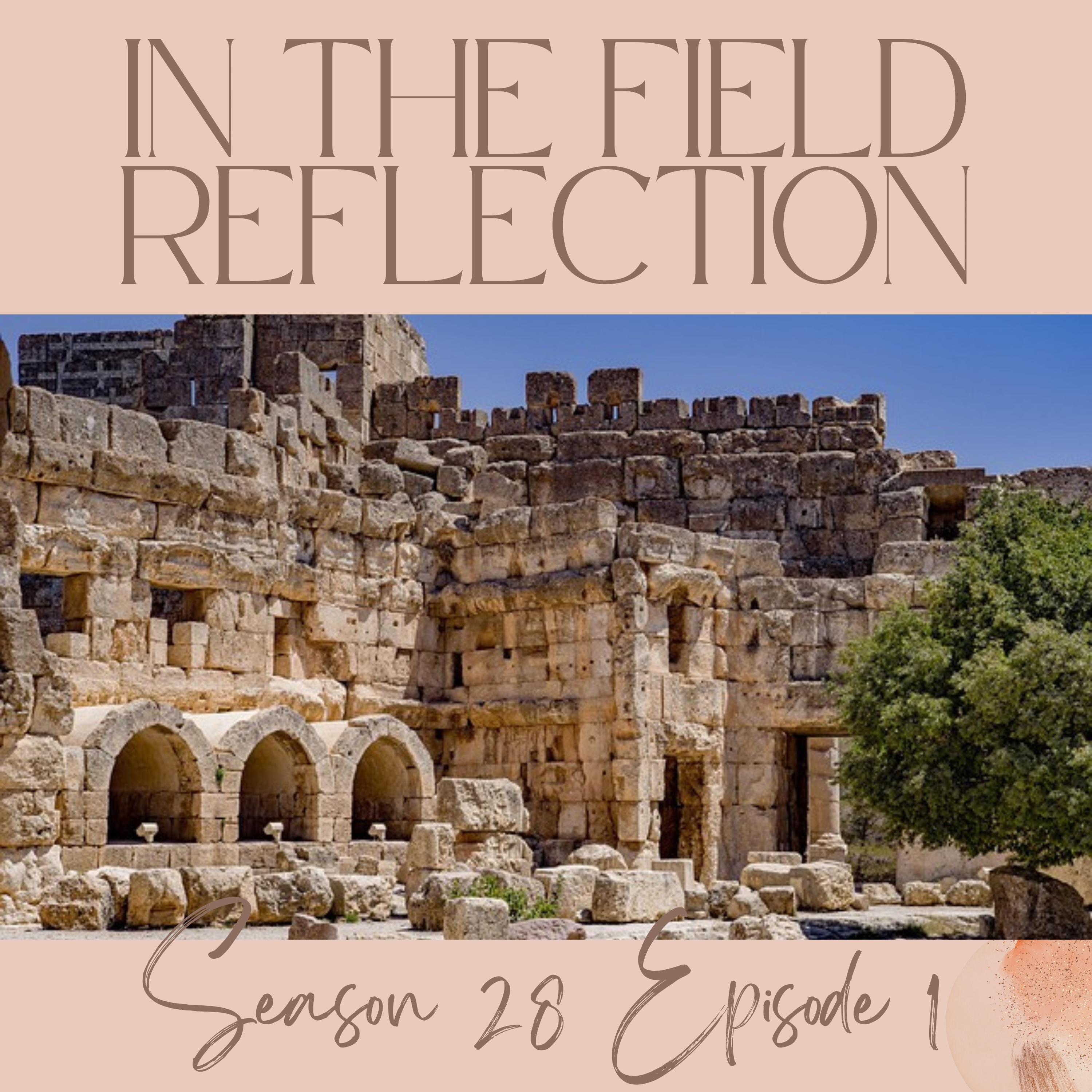
Corinth wakes hungry for wisdom and applause, but the heart of this episode asks a sharper question: what truly holds a diverse community together when status and skill dominate the air? We begin with a slow entry into the city’s sights and sounds, then step into Paul’s workshop, where leather, ink, and prayer meet. The drama is not spectacle but a clash of values: rhetoric versus cross, hierarchy versus family, performance versus grace. Paul invites us to see a church stitched from opposites—Jews and Greeks, slave and free—finding a unity the marketplace can’t price, and ultimately, finding harmony in Christ. The promise is not comfort; it is belonging rooted in Christ. Listeners who feel unseen or uncertain will hear why weakness is precisely where God loves to work.
Unity in Corinth isn’t a slogan; it is a miracle made of people. The narrative brings us to names the New Testament hints at: Sosthenes scarred yet steadfast, Lydia open-handed, Leo unsure yet called. Their stories embody the letter’s claims: God chooses what looks small to shame what struts. Paul won’t flatter clever speech or chase status. He insists on a center—Christ crucified—from which love, forgiveness, and courage flow. The table becomes the image that reframes the city: not a platform for the polished but a place for the repentant, the hungry, the hopeful. When the world applauds winners, the church practices remembrance, confession, and shared bread. The result isn’t neat; it is honest and alive.
As we read 1 Corinthians 1 aloud, the text underlines what the scene has shown: divisions fracture when we boast in leaders or tribes, but the cross empties those boasts and offers a new identity. The wisdom of God confounds our ladders. Grace strengthens us to the end, not by puffing our resumes but by anchoring our hope. Listeners searching for a practical peace hear a definition that resists cliché: peace is belonging to God when the storm refuses to calm. This peace comes with a call: welcome others as you have been welcomed, bear with the weak, and refuse to measure worth by polish or pedigree. That ethic remakes homes, teams, and churches.
Holiness arrives, not as a burden, but as joy. In a city of temples, Paul says our bodies are temples of the Spirit, which means everyday choices carry sacred meaning. Work is not beneath us; it becomes worship. Tentmaking is not second class; it mirrors Christ washing feet. Discipline in the church is not spectacle; it is a path toward healing the wounded and restoring the wandering. The Lord’s Supper exposes our status games and replaces them with shared hunger and shared grace. Real unity grows where we examine ourselves, discern the body, and serve the person beside us without asking what they offer in return.
The closing movement widens the frame: we too are called to Corinth, not by geography but by spirit. Our cities speak in new dialects of prestige, but the old ache remains. The response is the same invitation: come to the table, confess your boasts, receive peace that holds, and become a person who carries bread to the ones no one sees. God is faithful. He will sustain you to the end. The cross will outlast the trend, the clever line, and the latest quarrel. Trade boasting for belonging. Let grace do its deep, quiet work. And then, when you rise, bring someone else with you.
Missionary
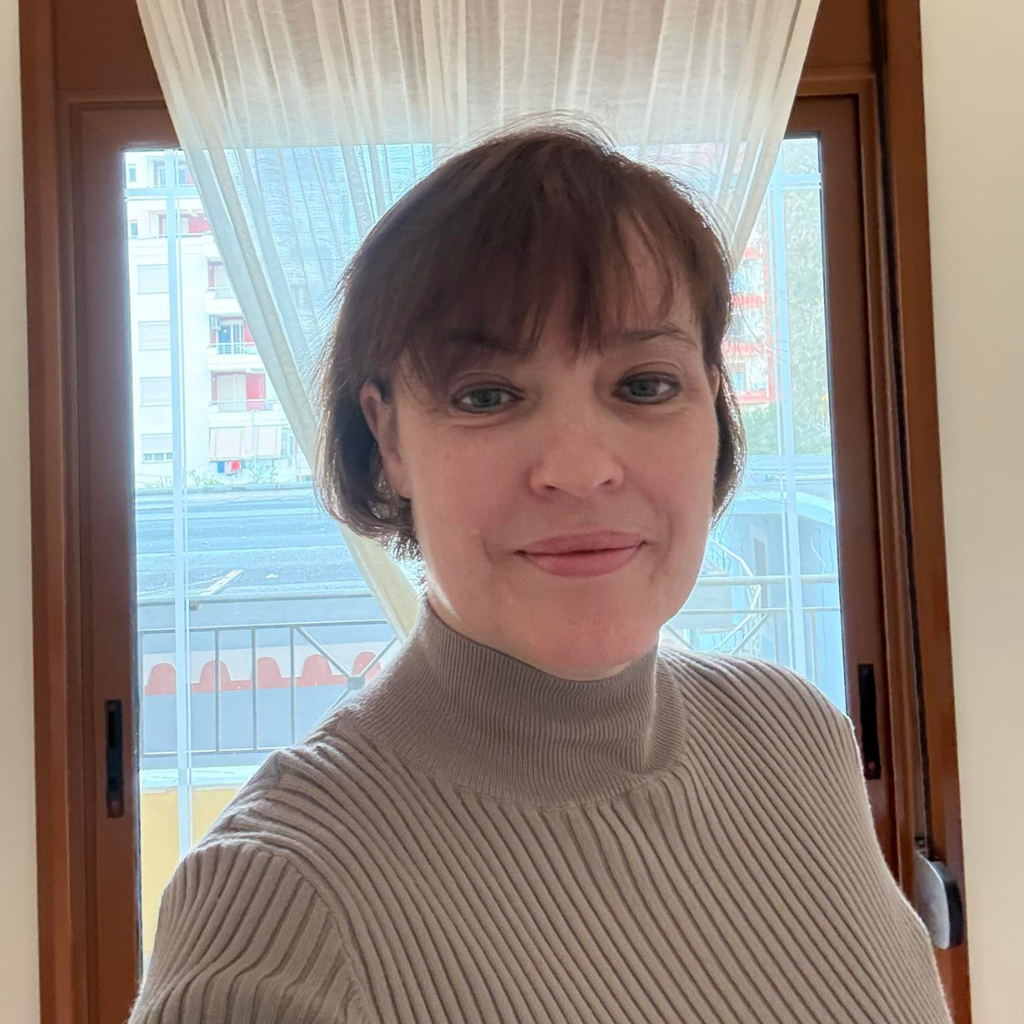
Christie is a missionary and ordained pastor—a dedicated servant of faith whose life and ministry are centered on sharing God’s Word and bringing comfort to those in need. With a heart shaped by years of military service and missionary outreach in the Caribbean, Africa, and Europe, Christie has long been drawn to serve people from all walks of life.
During her time serving in Thessaloniki, Greece, Christie led a street ministry focused on reaching the city’s homeless community. Equipped with compassion, prayer, and audio bibles in the Greek language, she shared the hope of the Gospel with those living on the margins—offering not just Scripture, but presence, listening, and love.
Her work through In the Field Audio Bible is a natural extension of that calling. These recordings allow Christie to reach listeners with the soothing, uplifting power of God’s Word, whether they are at home, in shelters, or navigating life’s most difficult roads. With every reading, she brings warmth, empathy, and a deep sense of God’s presence—creating sacred moments of peace, encouragement, and spiritual connection.
In August 2025, Christie moved to Vlorë, Albania, continuing her mission of delivering the audio bible to those in need—bringing the hope of Scripture to a new community longing for truth, comfort, and the presence of God.
Christie’s mission remains simple but profound: to offer the gift of faith, comfort, and the transformative hope of Scripture—one verse, one voice, and one soul at a time.
Stone Corridor Echoes: Faith Walks Through Injustice