Rooted In Truth: Flourishing Beside Living Waters
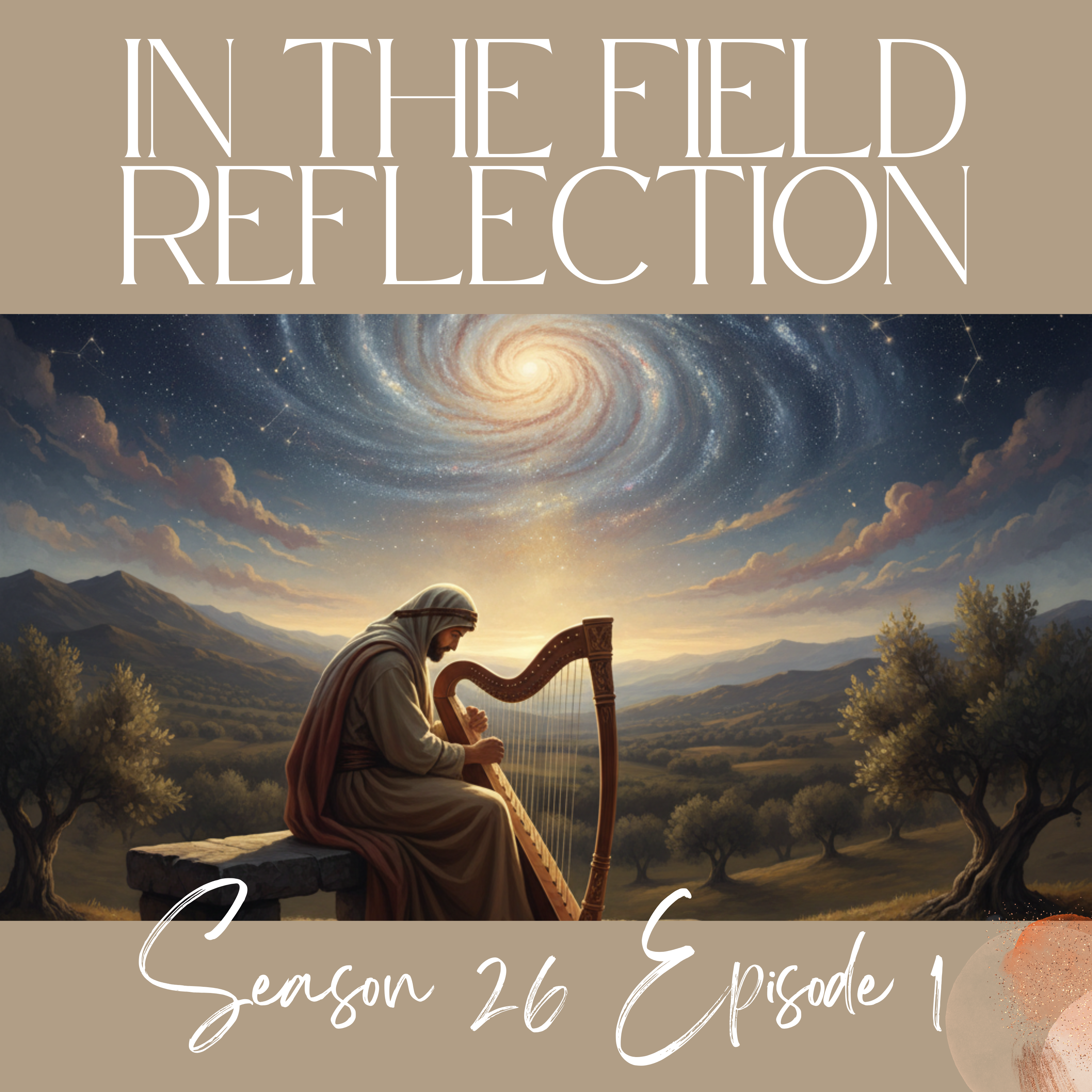
Psalm 1 opens like a gate, asking a simple but searching question: where will you plant your life? The episode traces that question from a quiet welcome into a vivid scene of Jerusalem at dawn, with Levites tuning harps and priests preparing offerings while families gather at the temple gates. Against that living backdrop, the psalm’s contrast becomes clear: a rooted life that delights in God’s law, flourishing beside living waters, versus a restless life scattered like chaff. The imagery is earthy and practical—streams, seasons, grain floors—and it speaks to modern listeners who feel pulled by news feeds and endless decisions. Choosing a path is not about a single dramatic moment but a pattern of attention shaped day and night.
We pause to hear Psalm 1 read aloud in full, letting the words stand in their own weight: avoiding the counsel of the wicked, delighting in the law of the Lord, becoming like a tree planted by streams that yields fruit in season and does not wither. The language is not abstract. Ancient hearers knew the cost of drought and the joy of water. Farmers watched chaff lift and vanish on the evening wind. The psalm teaches through contrast: stability that persists through seasons versus a hollow life that cannot stand when judgment or hardship arrives. That moral gravity gives the psalm its enduring power and frames our own choices about whose counsel we welcome and what rhythms shape our days.
The episode then returns to the temple courts and to the imagined young David, calling people to wisdom not as a crowned king but as a shepherd who learned God’s voice under open skies. This perspective keeps the psalm close to the ground. Wisdom grows from quiet hours and repeated listening, not from spectacle. The host invites us to consider where our roots actually draw water: hurried opinions, performative outrage, or the steady stream of Scripture. The tree metaphor carries practical implications—roots hidden beneath the surface determine fruit and shade. Fruit arrives “in its season,” which counters the anxious demand for instant results and validates slow, faithful growth.
Listeners are offered small, durable practices for meditating day and night: a whispered prayer at dawn, a memorized verse during work, a psalm at the table, a nightly examen that asks where we walked in counsel and where we stood apart. These are not burdens but streams. By linking practice to place—the commute, the sink, the doorframe—the episode turns devotion into a pattern that endures interruptions. The goal is not spiritual performance but delight: savoring the text until it becomes natural speech for the heart, the way a song lingers after the instruments fall silent.
Finally, the psalm’s promise and warning are held together without panic or presumption. The Lord knows the way of the righteous, which means the rooted life is seen, sheltered, and guided. That knowing invites courage when choices are costly and gentleness when others are unsteady. The warning about chaff is not a threat to brandish but a mercy to heed: a life without anchor cannot bear weight. The episode closes with blessing and a call to share God’s word, reminding us that a rooted life gives fruit for others. In a noisy world, Psalm 1 offers a simple path: plant by the stream, keep company with the Word, and let your season come.
Missionary
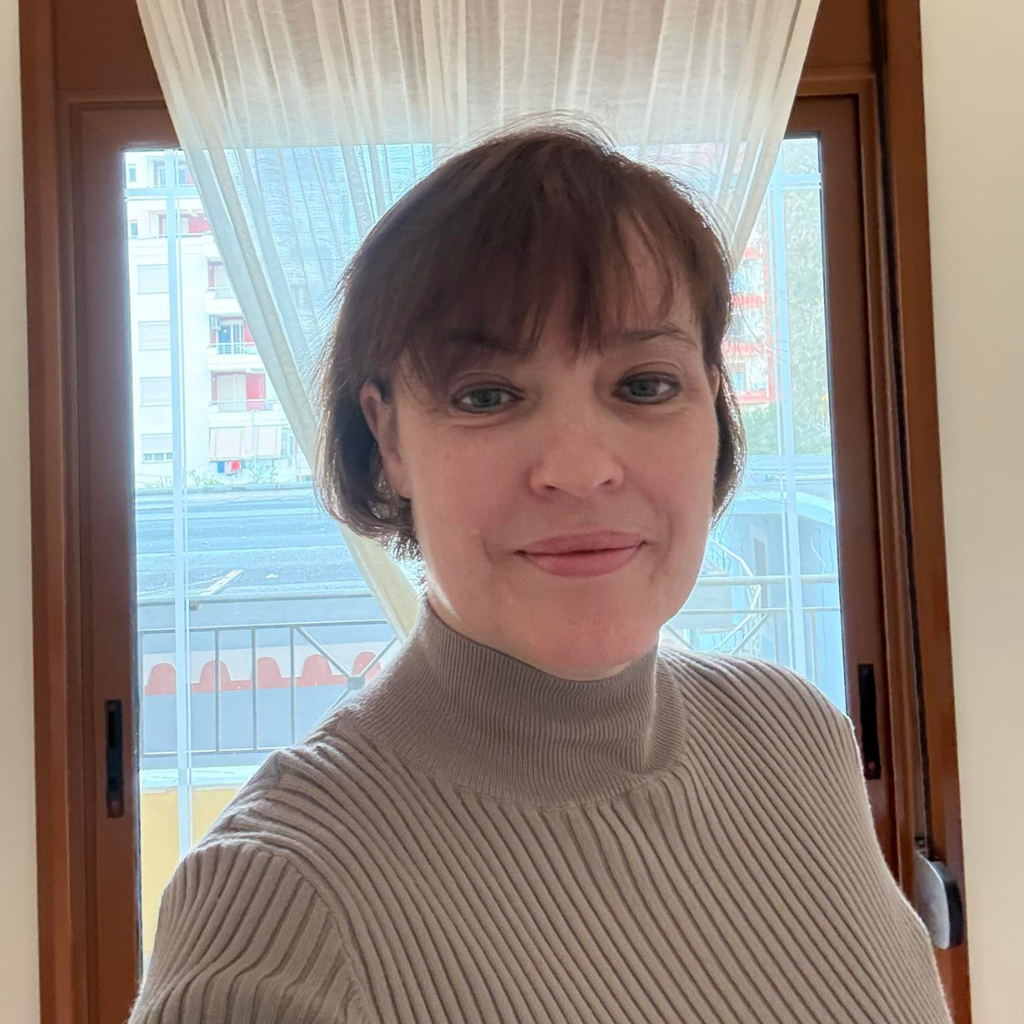
Christie is a missionary and ordained pastor—a dedicated servant of faith whose life and ministry are centered on sharing God’s Word and bringing comfort to those in need. With a heart shaped by years of military service and missionary outreach in the Caribbean, Africa, and Europe, Christie has long been drawn to serve people from all walks of life.
During her time serving in Thessaloniki, Greece, Christie led a street ministry focused on reaching the city’s homeless community. Equipped with compassion, prayer, and audio bibles in the Greek language, she shared the hope of the Gospel with those living on the margins—offering not just Scripture, but presence, listening, and love.
Her work through In the Field Audio Bible is a natural extension of that calling. These recordings allow Christie to reach listeners with the soothing, uplifting power of God’s Word, whether they are at home, in shelters, or navigating life’s most difficult roads. With every reading, she brings warmth, empathy, and a deep sense of God’s presence—creating sacred moments of peace, encouragement, and spiritual connection.
In August 2025, Christie moved to Vlorë, Albania, continuing her mission of delivering the audio bible to those in need—bringing the hope of Scripture to a new community longing for truth, comfort, and the presence of God.
Christie’s mission remains simple but profound: to offer the gift of faith, comfort, and the transformative hope of Scripture—one verse, one voice, and one soul at a time.

Stone Corridor Echoes: Faith Walks Through Injustice

