Threshold of Glory: Following Heaven's Beacon Home
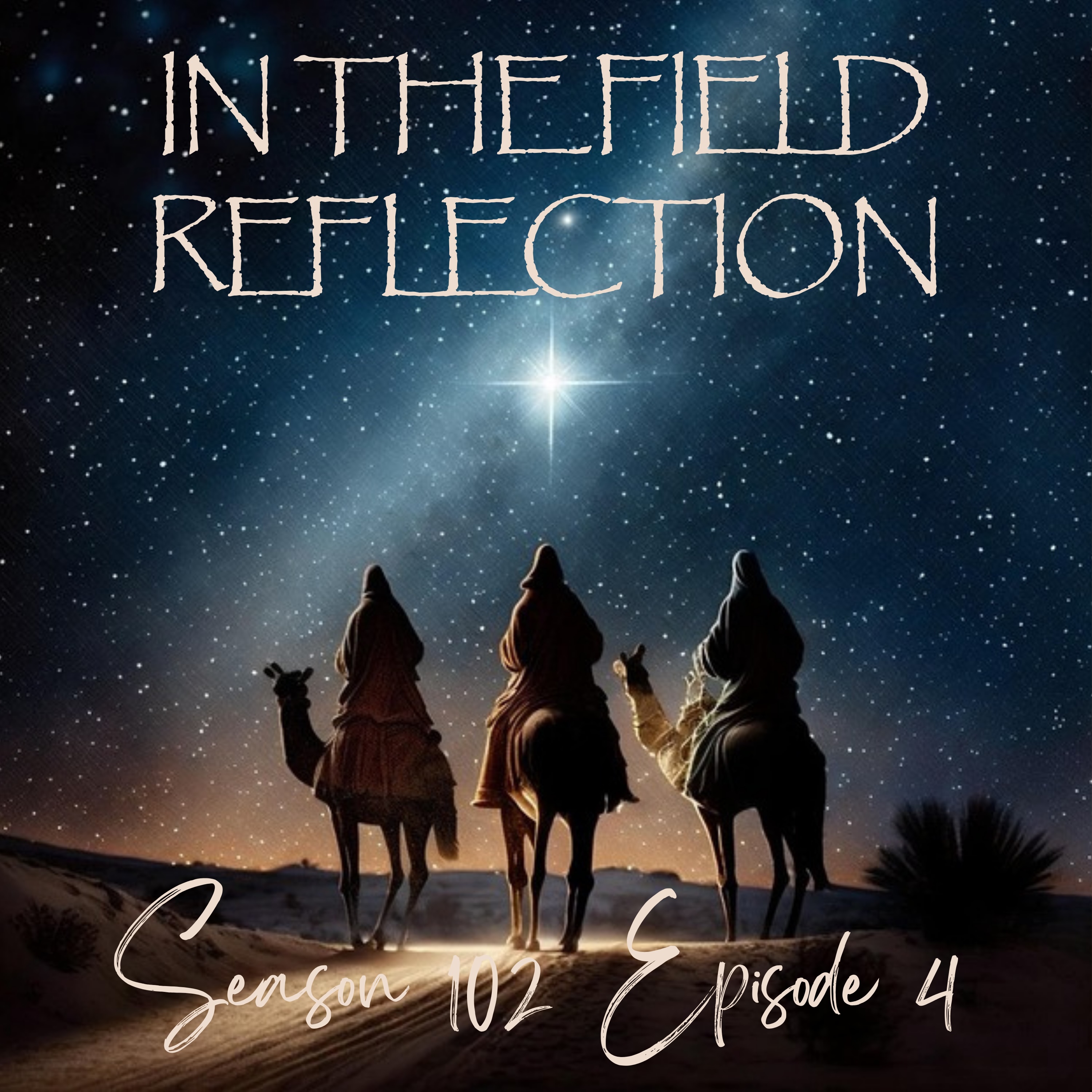
The journey from Jerusalem’s intrigue to Bethlehem’s quiet lanes feels like passing through a spiritual furnace. Our guides are Caspar, Melchior, and Balthazar—learned men whose learning bows to revelation when the Star returns. The narrative opens under the weight of Herod’s palace, where power is polished, and hearts are hard. Stepping into open air, the Three Magi breathe again. The Star reappears, not as a backdrop but as a living sign, pulsing like a heartbeat. Now, following Heaven’s beacon home, that shift reframes their story from navigation to vocation. What once felt like astronomy becomes appointment. Their joy is not mere relief; it is the theological claim that God’s timing is precise, that guidance can go dim without abandoning us, and that confirmation often arrives at the exact moment courage would otherwise fail.
The text lingers on sensory detail—olive groves, cool wind, bread ovens, shepherd bells—because the incarnation locates glory in ordinary soil. This is purposeful: the contrast between palace perfume and pastoral air reminds us that holiness is not sterile. The Star’s movement becomes catechesis in motion. It slows for their pace, brightens with their nearness, and finally stops over Bethlehem with decisive authority. Prophecy surfaces: Balaam’s Star out of Jacob, the scepter in Israel, the psalmist’s morning joy after night’s weeping. The hosts invite us to read the night sky and the scriptures together, to see how patterns of disappearance and return foreshadow the death and rising of the child they seek.
Midway, we sit at a “divine rectangle table,” a narrative device that pulls listeners into the circle. Here, the Three Magi speak in plain, piercing lines: we did not follow astronomy; we followed love. They recount holding to one another, to the word, and to God’s character when the Star was hidden. This is practical discipleship disguised as ancient travelogue. It answers a modern ache: how to endure when evidence is thin. The counsel is simple and durable—stay with faithful companions, anchor in promises, trust the Caller more than the conditions. The wisdom lands because it is earned in dust, not crafted in comfort.
Gifts take on layered meaning. Gold confesses kingship, yet also hints at the cost of redemption. Frankincense affirms divinity while modeling worship that rises even in valleys. Myrrh acknowledges mortality and love’s willingness to suffer. The episode places these symbols in our hands and asks, "What gifts do you bring?" The best answer is not polish but surrender: questions, fears, obedience, availability. The transformation is subtle yet seismic—scholars become pilgrims, observers become participants, and the external star becomes an inner light that commissions us to guide others toward hope.
As the Star halts above a modest house, the script’s tempo slows. Knees touch holy ground. Preparation becomes liturgy, and the door becomes a threshold of history. We are asked to imagine not grandeur but humility: a lamp-lit room, a resting child, a mother’s steady arms. The grandeur lies in the reversal—kings kneel before a toddler, and eternity hides in a home. The host’s closing charge ties the strands: joy is evidence of presence, timing is a form of tenderness, and every telling extends the Three Magi’s mission across centuries. We leave with a covenant to follow Christ wherever he leads and to be, in our neighborhoods and networks, small faithful stars that point the weary toward the true Light.

Missionary
Christie is a missionary and ordained pastor—a dedicated servant of faith whose life and ministry are centered on sharing God’s Word and bringing comfort to those in need. With a heart shaped by years of military service and missionary outreach in the Caribbean, Africa, and Europe, Christie has long been drawn to serve people from all walks of life.
During her time serving in Thessaloniki, Greece, Christie led a street ministry focused on reaching the city’s homeless community. Equipped with compassion, prayer, and audio bibles in the Greek language, she shared the hope of the Gospel with those living on the margins—offering not just Scripture, but presence, listening, and love.
Her work through In the Field Audio Bible is a natural extension of that calling. These recordings allow Christie to reach listeners with the soothing, uplifting power of God’s Word, whether they are at home, in shelters, or navigating life’s most difficult roads. With every reading, she brings warmth, empathy, and a deep sense of God’s presence—creating sacred moments of peace, encouragement, and spiritual connection.
In August 2025, Christie moved to Vlorë, Albania, continuing her mission of delivering the audio bible to those in need—bringing the hope of Scripture to a new community longing for truth, comfort, and the presence of God.
Christie’s mission remains simple but profound: to offer the gift of faith, comfort, and the transformative hope of Scripture—one verse, one voice, and one soul at a time.
Stone Corridor Echoes: Faith Walks Through Injustice