Building God’s House: Foundations of Spiritual Growth
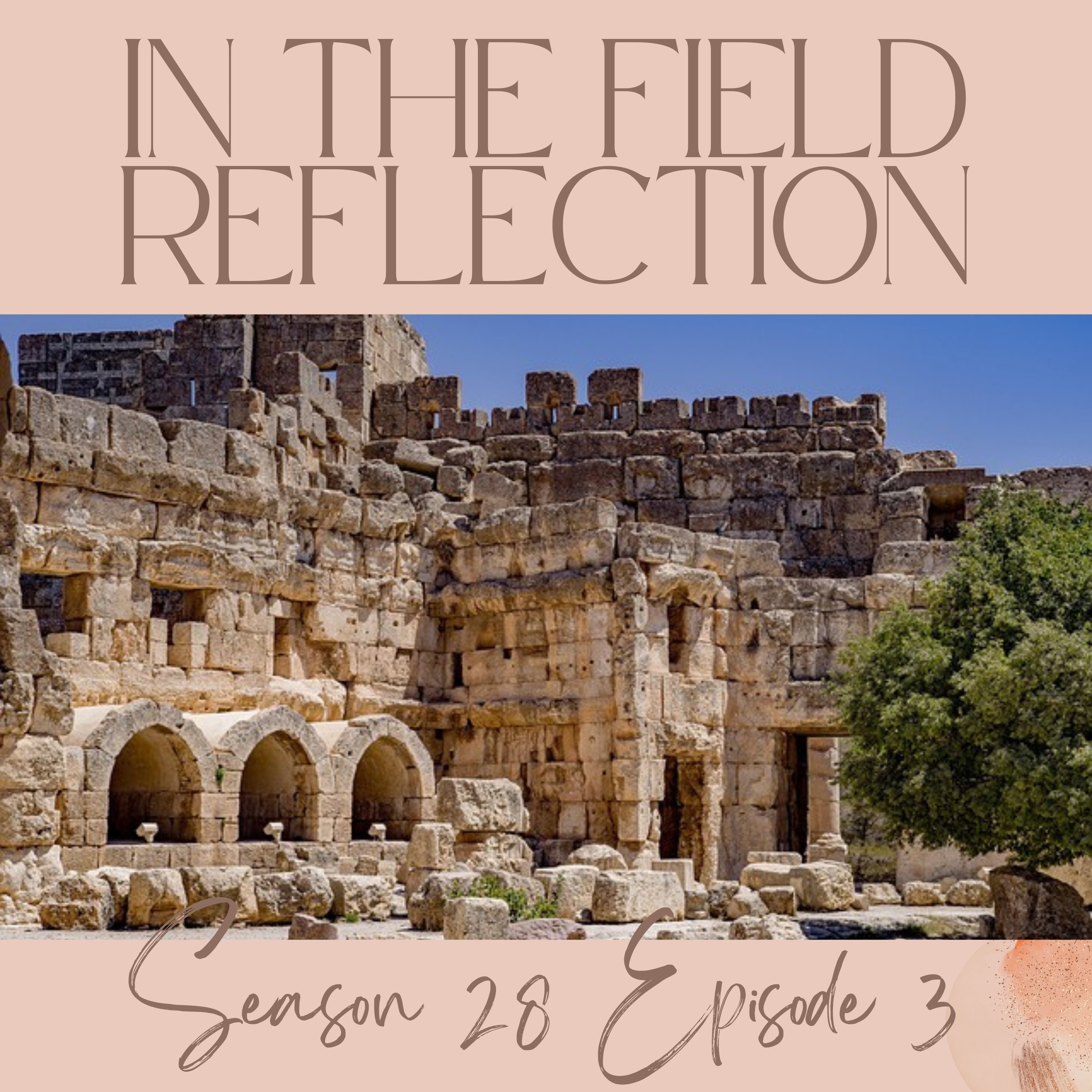
The city wakes with a gold hush, and we enter Corinth beside Paul to face a problem as old as community itself: division dressed up as wisdom. The argument sounds modern—teams, leaders, styles—but Paul calls it what it is: infancy that confuses knowledge for maturity. He answers with images that settle in the bones. We are God’s field and God’s building, called to lay the foundations of spiritual growth. Some plant, some water, but only God gives growth. That truth undercuts pride and frees us to work without rivalry. It also asks a harder question: what, exactly, are we building, and on what foundation? The reply is clear and demanding—no other foundation than Jesus Christ.
Paul lingers on the builder’s test: fire that reveals what lasts. The list is stark—gold, silver, precious stones; or wood, hay, straw. The difference is not the size of our projects but the substance woven into them. Love endures the heat because it is sourced in God. Performance burns because it seeks the crowd. This reframes ordinary life. A quiet word to a tired friend, a reconciled conflict, patience with a child—these become stones set on Christ. We do not need grand platforms to build something eternal; we need faithful hearts that choose care over comparison. Even loss is not the final word. Paul promises the builder may suffer loss yet be saved, a mercy that invites courage to begin again.
Then comes a deeper naming: you are God’s temple and God’s Spirit dwells in you. Holiness is not an address; it is a presence. This reshapes the way we speak, serve, and disagree. If the Spirit dwells in us, division cannot be treated as a harmless preference. Unity is not uniformity; it is love holding difference together. We see it in the agora’s mosaic—Romans and Jews, traders and families, philosophers and children—each bringing a story and a need. The church is called to hold that diversity without letting envy or status set the terms. Paul’s antidote to boasting is startling: become a fool to become wise. Lay down the need to win the argument. Take up the joy of belonging to Christ, in whom “all things are yours.”
Stewardship then replaces spotlight. A steward seeks the owner’s approval, not the crowd’s. This loosens fear and frees generosity. We meet people whose small acts shift the day: a vendor’s fig, a neighbor’s peace-making, a widow’s cup shared in trust. These are not filler moments; they are the architecture of a life rooted in Christ. Hidden obedience is not lost; it’s layered into a house that will stand when storms come. Silence becomes part of the craft. In stillness we let the Spirit mend motives, reveal envy, and re-center our desires on the unshakable foundation. There we learn to build again with patience, to bless without notice, to measure our work by love’s durability rather than applause.
Finally, worship gathers the scattered stones into one chorus. Songs rise from a small home, hands open in gratitude, hopes named without polish. The blessing is simple: be found faithful in great and small. The road ahead will ask for endurance and courage, but the promise holds: the foundation is sure, and the builder is faithful. If we keep our eyes on Christ, our labor becomes seed and stone, field and temple, a living testimony that outlasts the noise. This is how a divided world sees another way. Not through slogans, but through lives built on Jesus—steady, generous, resilient, and aflame with quiet love.

Missionary
Christie is a missionary and ordained pastor—a dedicated servant of faith whose life and ministry are centered on sharing God’s Word and bringing comfort to those in need. With a heart shaped by years of military service and missionary outreach in the Caribbean, Africa, and Europe, Christie has long been drawn to serve people from all walks of life.
During her time serving in Thessaloniki, Greece, Christie led a street ministry focused on reaching the city’s homeless community. Equipped with compassion, prayer, and audio bibles in the Greek language, she shared the hope of the Gospel with those living on the margins—offering not just Scripture, but presence, listening, and love.
Her work through In the Field Audio Bible is a natural extension of that calling. These recordings allow Christie to reach listeners with the soothing, uplifting power of God’s Word, whether they are at home, in shelters, or navigating life’s most difficult roads. With every reading, she brings warmth, empathy, and a deep sense of God’s presence—creating sacred moments of peace, encouragement, and spiritual connection.
In August 2025, Christie moved to Vlorë, Albania, continuing her mission of delivering the audio bible to those in need—bringing the hope of Scripture to a new community longing for truth, comfort, and the presence of God.
Christie’s mission remains simple but profound: to offer the gift of faith, comfort, and the transformative hope of Scripture—one verse, one voice, and one soul at a time.
Stone Corridor Echoes: Faith Walks Through Injustice