Words Can Destroy: God Hears Every Groan
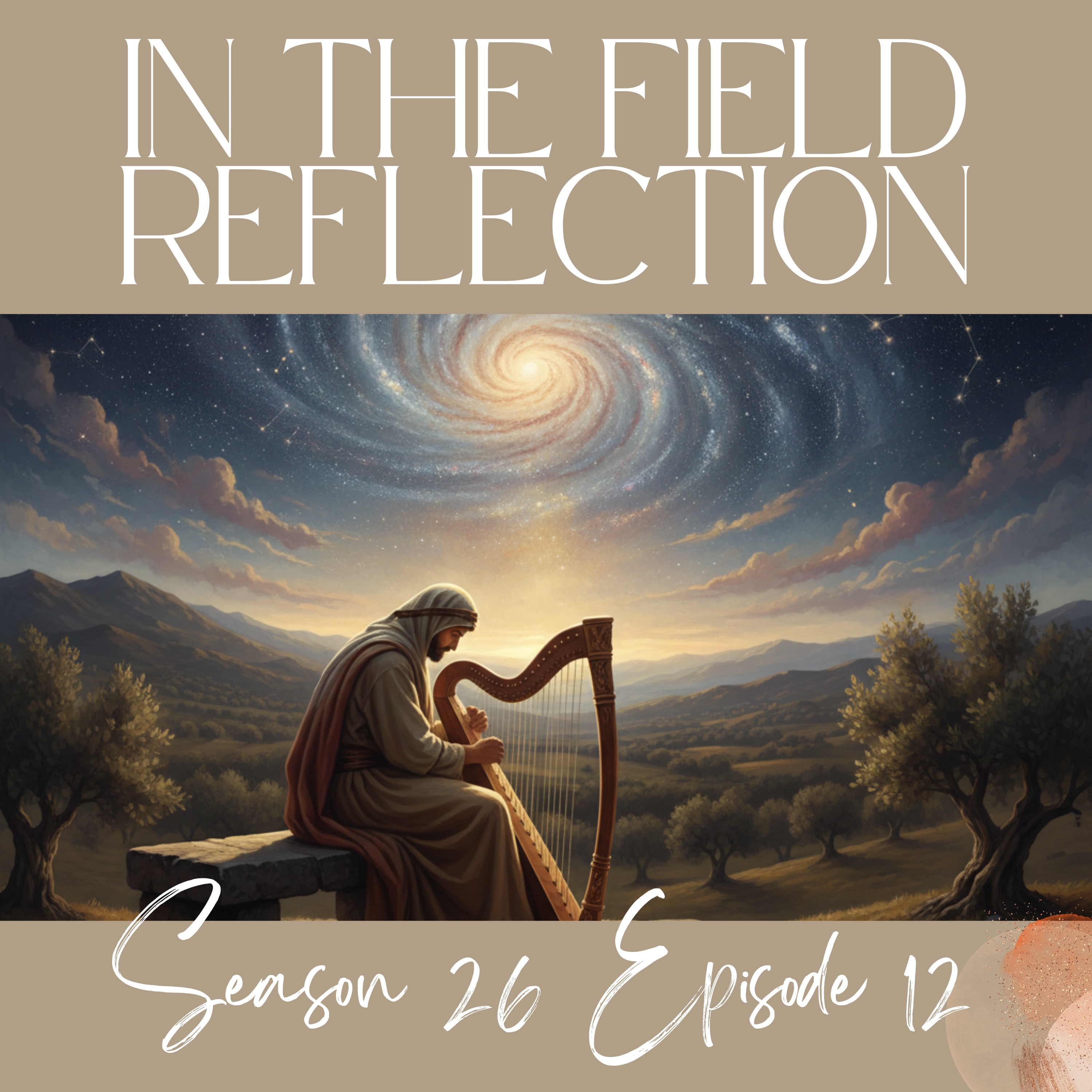
If you’re searching for Christian meditation that is rooted in Scripture, Psalm 12 offers a bracing kind of comfort: it tells the truth about a world where godly voices feel rare, deceit feels loud, and the vulnerable get pushed aside—and it reminds us that God hears every groan. The episode opens with an invitation to rest in God’s living Word, then moves into a vivid, reflective narrative that frames the psalm through the heart of David, a leader who remembers what it felt like to be a shepherd with nothing but prayer and trust. That contrast matters for spiritual growth because it reminds us that faith is not a personality trait for the strong; it is a daily choice to turn toward God in the dark before dawn.
The story returns again and again to a core theme for anxious hearts: trust is built in small, unseen moments. David’s memories of danger in the fields and of God’s deliverance become a lens for present pressure, when counselors urge him to flee and when fear sounds like “wisdom.” Many listeners know that feeling: practical advice that measures only what can be seen, while your spirit longs for something steadier. The episode insists that biblical faith is not denial; it is clarity. God is righteous, God loves justice, and God does not sleep. When life feels unstable, the spiritual practice is to anchor in God’s character rather than in changing circumstances.
Psalm 12 then names the problem with surprising precision: flattering lips, double hearts, boastful tongues, and a culture that treats vile things as normal. For anyone seeking guidance on Christian living, the psalm reads like a diagnosis of moral confusion and social injustice. Yet it also carries a promise: God rises for the poor and the needy, and God’s promises are pure, tested, and reliable. This is where prayer becomes more than soothing words. Prayer becomes alignment with God’s justice, courage to refuse deception, and compassion that moves toward the afflicted. The episode’s imagery of petitioners, widows, and wronged families makes the psalm practical: God hears groaning, and we are called to listen too.
The final movements slow down into quiet worship and daily renewal. The episode models a nightly examen of sorts: reviewing deliverance, naming grief, and asking for wisdom, humility, mercy, and the courage to do what is right. That combination is essential for Christian encouragement because it keeps the heart tender without becoming naïve. The takeaway is simple and demanding: faith is not the absence of fear, it is trust in God while fear is present. If you want an audio bible experience that blends calm bible reading, reflective storytelling, and a clear gospel-shaped hope, Psalm 12 becomes a refuge you can return to whenever words feel weaponized and hope feels thin.
Missionary
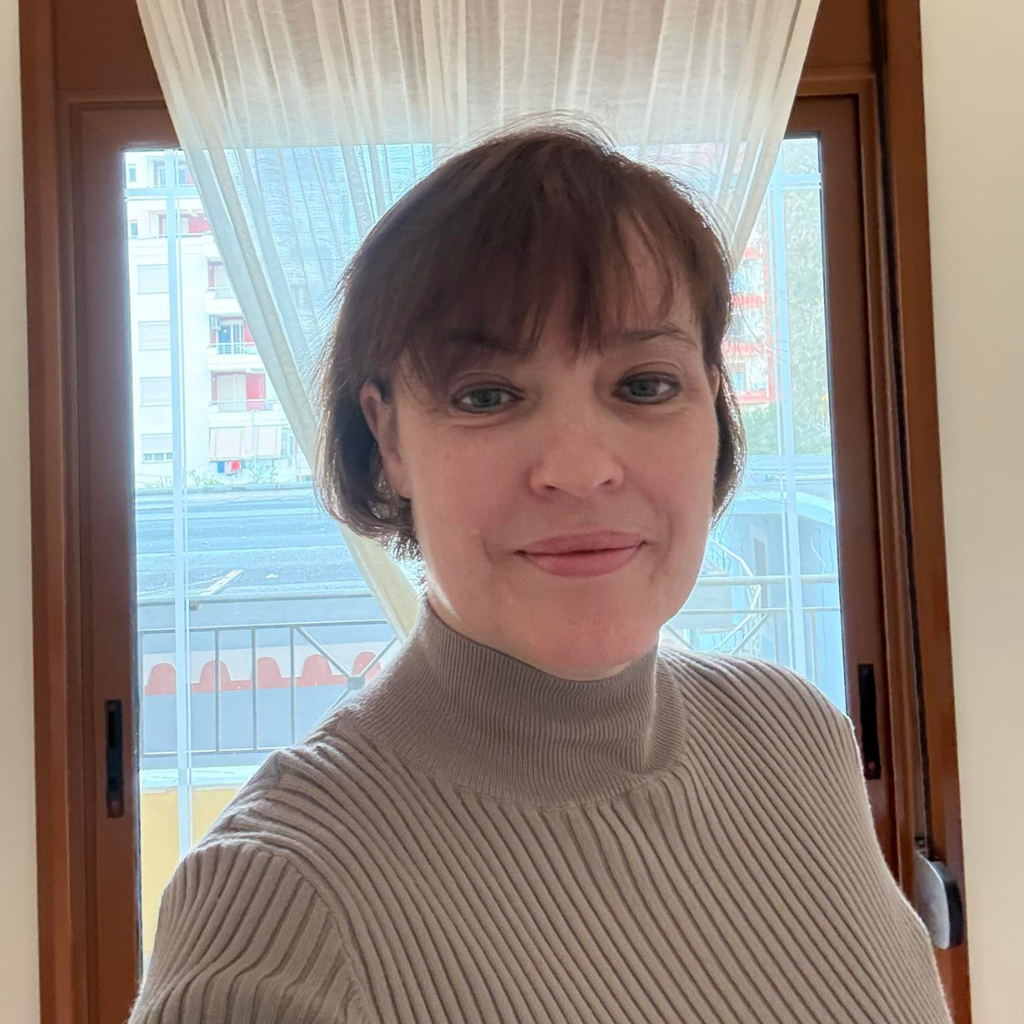
Christie is a missionary, ordained pastor, and chaplain—a dedicated servant of faith whose life and ministry are centered on sharing God’s Word and bringing comfort to those in need. With a heart shaped by years of military service and missionary outreach in the Caribbean, Africa, and Europe, Christie has long been drawn to serve people from all walks of life.
During her time serving in Thessaloniki, Greece, Christie led a street ministry focused on reaching the city’s homeless community. Equipped with compassion, prayer, and audio bibles in the Greek language, she shared the hope of the Gospel with those living on the margins—offering not just Scripture, but presence, listening, and love.
Her work through In the Field Audio Bible is a natural extension of that calling. These recordings allow Christie to reach listeners with the soothing, uplifting power of God’s Word, whether they are at home, in shelters, or navigating life’s most difficult roads. With every reading, she brings warmth, empathy, and a deep sense of God’s presence—creating sacred moments of peace, encouragement, and spiritual connection.
In August 2025, Christie moved to Vlorë, Albania, continuing her mission to deliver the audio bible to those in need—bringing the hope of Scripture to a new community longing for truth, comfort, and the presence of God.
Christie’s mission remains simple but profound: to offer the gift of faith, comfort, and the transformative hope of Scripture—one verse, one voice, and one soul at a time.
Taking a few months away from the podcast … Read More
Name Over Noise: Answer Us When We Call