The Palace of Deception: Hearts Exposed by Light
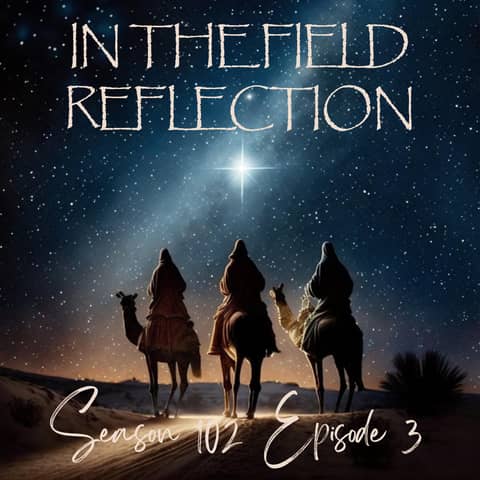
The story opens on a road dusted with fear and hope as the Three Magi, weary but resolute, reach Jerusalem expecting songs and open arms. Instead, they feel the city’s pulse quicken with suspicion, and the air thicken near Herod’s bronze gates. The contrast is immediate: the bright, guiding Star outside and the dead cold within the palace. The episode paints this dissonance with sensory detail—groaning hinges, marble chill, perfumed rot—until listeners can sense the spiritual vacuum. This isn’t a detour; it’s a crucible where the theme of earthly power versus heavenly authority sharpens, and where hearts exposed by light reveal the true nature of every soul encountered. The episode’s central question emerges like a whisper turned siren: which king will rule your heart, the one who clutches or the One who gives?
Inside the throne room, we meet a Herod defined by paranoia, not peace. The architecture becomes a sermon: maps underfoot, columns towering, guards like statues whose eyes never soften. The imagery underscores the anatomy of control—spies, courtiers, the hum of calculation. Yet the most unsettling note is Herod’s smile, a weapon polished by habit. When the Three Magi announce a newborn King, the mask slips; fear flashes, then strategy hardens. The episode’s narrative links this moment to a future echo before Pilate, where political safety will again masquerade as justice. SEO themes—Herod, Three Magi, Bethlehem prophecy, earthly vs heavenly power—thread through, but the heartbeat is pastoral: discernment when truth turns dangerous.
The Chief Priest and scribes arrive, and we witness a different kind of darkness. They recite Micah with flawless precision but show no desire to walk the short road to wonder. The episode confronts a modern ache: knowledge without encounter, religion without worship. Their caution sounds responsible, yet it hides comfort and fear of disruption. Herod weaponizes their detachment, converting prophecy into a pretext for violence. The narrative indicts complacency—being near truth without being moved by it. This segment invites listeners to examine their own habits: do the right words live as right worship, and do learned doctrines create living devotion?
In a private chamber, Herod’s rage distills into lethal clarity. He calculates timelines from the Magi’s honesty, mapping innocence into targets. The episode juxtaposes their guileless transparency with his predatory cunning, showing how truth-tellers can be manipulated when discernment sleeps. Yet even here, the story refuses despair. The Spirit’s warning rises; the Star will blaze again; providence is already setting an exit path. The hosts draw the line from Bethlehem’s slaughter to the cross, not to crush hope but to show love’s endurance under empire and envy. The episode’s tension becomes a call to seek God beyond appearances and position, to choose worship that resists intimidation.
Finally, the Three Magi step back into the open sky, watched by eyes that mistake escort for surveillance. The city feels like a tomb; the road to Bethlehem like a rescue mission. The Star’s light is not just direction but defiance—an unsought signal that heaven still moves where palaces cannot. The closing prayer gathers the threads: courage when truth is costly, wisdom against manipulation, trust in God’s guidance when the path cuts through shadow.

Missionary
Christie is a missionary and ordained pastor—a dedicated servant of faith whose life and ministry are centered on sharing God’s Word and bringing comfort to those in need. With a heart shaped by years of military service and missionary outreach in the Caribbean, Africa, and Europe, Christie has long been drawn to serve people from all walks of life.
During her time serving in Thessaloniki, Greece, Christie led a street ministry focused on reaching the city’s homeless community. Equipped with compassion, prayer, and audio bibles in the Greek language, she shared the hope of the Gospel with those living on the margins—offering not just Scripture, but presence, listening, and love.
Her work through In the Field Audio Bible is a natural extension of that calling. These recordings allow Christie to reach listeners with the soothing, uplifting power of God’s Word, whether they are at home, in shelters, or navigating life’s most difficult roads. With every reading, she brings warmth, empathy, and a deep sense of God’s presence—creating sacred moments of peace, encouragement, and spiritual connection.
In August 2025, Christie moved to Vlorë, Albania, continuing her mission of delivering the audio bible to those in need—bringing the hope of Scripture to a new community longing for truth, comfort, and the presence of God.
Christie’s mission remains simple but profound: to offer the gift of faith, comfort, and the transformative hope of Scripture—one verse, one voice, and one soul at a time.
Stone Corridor Echoes: Faith Walks Through Injustice