The Star Appears: Heaven's Royal Announcement
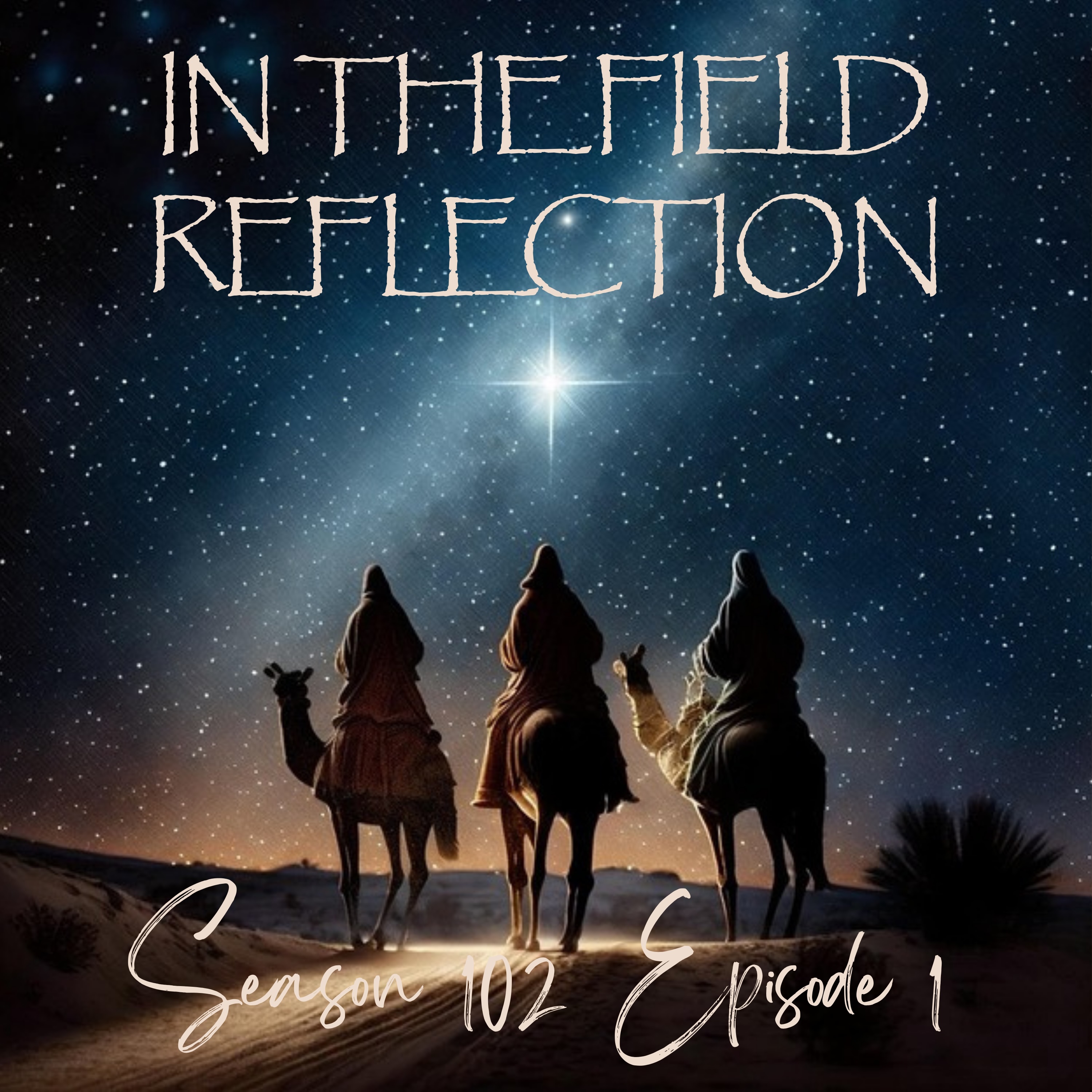
The opening chapter of this Christmas miniseries invites us onto a Babylonian rooftop where scholarship meets wonder and three men cross a line from observation to obedience. The episode paints the city in rich detail—lamps flicker, spices hang in the air, and instruments glint—while the Magi wrestle with a star that refuses the rules. Caspar measures the sky with trembling precision, Melchior unrolls Daniel's prophecies with reverent certainty, and Balthazar bears gifts and intuition in equal measure. The narrative insists the moment isn't random. It roots the sighting in Daniel's timeline, Balaam's oracle, and Isaiah's vision, asserting that divine plans move on exact schedules and that revelation is for those who keep watch. The star becomes both evidence and summons: Heaven's royal announcement that will not fit tidy charts because it was never meant to stay in the academy—it was meant to be followed.
What gives the story its unusual depth is the shift from rooftop to a timeless room where Moses, Daniel, Isaiah, and Matthew speak as mentors. The conversation bridges law, prophecy, and gospel, reframing the Magi’s trek as a pattern for anyone drawn by God’s light. Isaiah’s words about nations coming to brightness meet Matthew’s account of worship in a house rather than a palace, while Daniel’s seventy weeks crystallize the timing. The hosts do not romanticize the path: they tie the birth-star’s light to the cross’s darkness, reminding us that the same God who guides with brilliance allows seasons of shadow to deepen trust. The gifts turn interpretive—gold for kingship, frankincense for deity, myrrh for sacrifice—making the visit a theological confession carved into a caravan’s cargo.
The episode lingers on the cost of answering a call. The Magi plan routes through Damascus and Palmyra, pack instruments and scrolls, prepare camels and provisions, and quietly break the hearts of families who do not understand. They will travel as merchants to evade bandits and taxes, hiding treasure in unassuming skins and distributing weight like seasoned traders. Yet the heaviest burden is also the lightest: a clear sense of purpose. The narrative repeats a simple refrain—nothing is accidental. Not the star’s timing, not the men’s preparation, not our hearing of the story now. The theme becomes discipleship as movement: faith is more than knowledge; it is a willingness to leave rooftops for roads, to turn charts into steps, and to bow in worship when the destination appears smaller than expected.

Missionary
Christie is a missionary and ordained pastor—a dedicated servant of faith whose life and ministry are centered on sharing God’s Word and bringing comfort to those in need. With a heart shaped by years of military service and missionary outreach in the Caribbean, Africa, and Europe, Christie has long been drawn to serve people from all walks of life.
During her time serving in Thessaloniki, Greece, Christie led a street ministry focused on reaching the city’s homeless community. Equipped with compassion, prayer, and audio bibles in the Greek language, she shared the hope of the Gospel with those living on the margins—offering not just Scripture, but presence, listening, and love.
Her work through In the Field Audio Bible is a natural extension of that calling. These recordings allow Christie to reach listeners with the soothing, uplifting power of God’s Word, whether they are at home, in shelters, or navigating life’s most difficult roads. With every reading, she brings warmth, empathy, and a deep sense of God’s presence—creating sacred moments of peace, encouragement, and spiritual connection.
In August 2025, Christie moved to Vlorë, Albania, continuing her mission of delivering the audio bible to those in need—bringing the hope of Scripture to a new community longing for truth, comfort, and the presence of God.
Christie’s mission remains simple but profound: to offer the gift of faith, comfort, and the transformative hope of Scripture—one verse, one voice, and one soul at a time.
Unheard No More: The God Who Sees the Forgotten