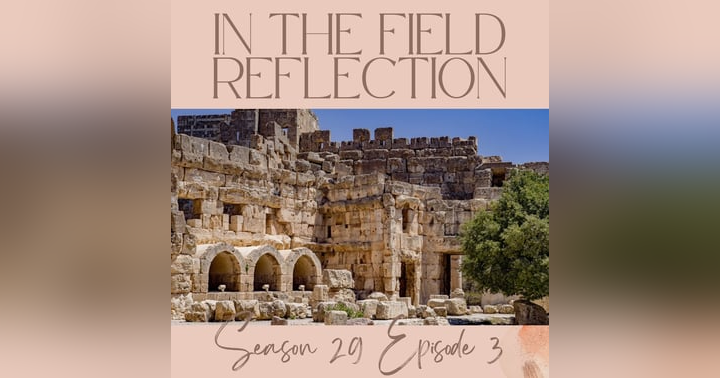
From Corinth To Thessalonica: Holiness, Hope, And Everyday Faith
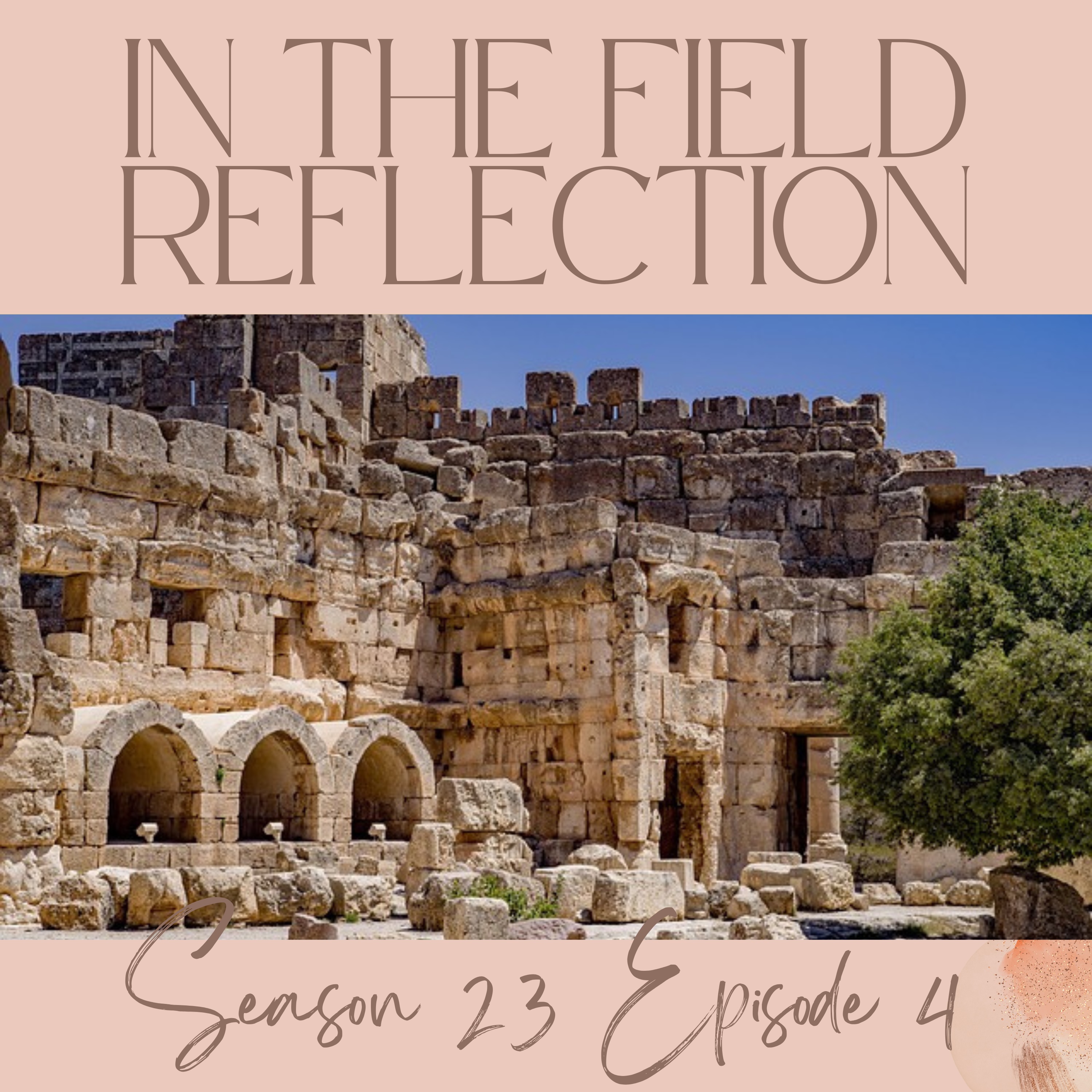
The oil lamp is small, but its light is steady enough to show us the shape of holiness in a restless world. We step into Corinth's night markets and then into Paul's rented room, where parchment, ink, and prayer join into a letter that still reads us as much as we read it. The heartbeat is simple and searching: this is the will of God, your sanctification. Not a slogan, but a path. Paul remembers Thessalonica's pressure and joy, the seeds sown in thin soil that still took root, and he writes with a father's voice weaving holiness, hope, and everyday faith into one fabric. Encouragement moves into instruction, and instruction into hope, each line tethered to the coming of the Lord.
Sanctification is both a beginning and a becoming. Paul says the believers are already set apart, yet he urges them to live what they are. That means abstaining from sexual immorality in a culture that baptized desire as ritual and commerce. He refuses the soft edges of moderation and calls for self-control in holiness and honor. Bodies are not props, not currency, not disposable. They are dignified, bearing the image of God, and misuse becomes a community wound. Paul warns that to shrug at this is to shrug at God, not man, and then he offers the relief we need: the Holy Spirit is given, not as a bystander but as power for a new way to walk.
Love and labor ground the lofty call. Paul praises their brotherly love and still says more and more. He asks them to aspire to a quiet life, to mind their affairs, and to work with their hands. In a world obsessed with display, he asks for steadiness. This is practical holiness: it guards witness before outsiders and reduces needless dependence. The quiet life is not small; it is focused. It turns ordinary tasks into acts of faith, stitching integrity into every hour. In this frame, ambition becomes faithfulness, and noise gives way to a rhythm that lets love breathe.
Then Paul lifts our eyes. He speaks to grief with a hope that is not wishful, but historical: Jesus died and rose again. That fact redraws the map of mourning. The dead in Christ will rise first, and the living will join them, together meeting the Lord. The future is not escape but reunion, not erasure but fulfillment. The trumpet’s sound does not cancel the present; it clarifies it. If Christ is coming, then our choices matter. If we will be with the Lord forever, then holiness, love, and work belong together as preparation and witness. Paul’s rooftop vision teaches us to live with both feet on the ground and our eyes on the sky.
This chapter makes a single, unbroken argument: hope fuels holiness, and holiness deepens hope. The Spirit empowers restraint; love reshapes community; work dignifies calling; resurrection comforts sorrow. The culture’s patterns whisper that desire rules and that death wins. Paul answers with a different cadence: more and more. Grow in what is already true. Let grace set the pace. Encourage one another with words that do not flinch from reality and do not bow to despair. In the lamplight of Scripture, we find a path wide enough for our weakness and strong enough for our longing, leading us quietly, steadily, toward the coming dawn.

Missionary
Christie is a missionary and ordained pastor—a dedicated servant of faith whose life and ministry are centered on sharing God’s Word and bringing comfort to those in need. With a heart shaped by years of military service and missionary outreach in the Caribbean, Africa, and Europe, Christie has long been drawn to serve people from all walks of life.
During her time serving in Thessaloniki, Greece, Christie led a street ministry focused on reaching the city’s homeless community. Equipped with compassion, prayer, and audio bibles in the Greek language, she shared the hope of the Gospel with those living on the margins—offering not just Scripture, but presence, listening, and love.
Her work through In the Field Audio Bible is a natural extension of that calling. These recordings allow Christie to reach listeners with the soothing, uplifting power of God’s Word, whether they are at home, in shelters, or navigating life’s most difficult roads. With every reading, she brings warmth, empathy, and a deep sense of God’s presence—creating sacred moments of peace, encouragement, and spiritual connection.
In August 2025, Christie moved to Vlorë, Albania, continuing her mission of delivering the audio bible to those in need—bringing the hope of Scripture to a new community longing for truth, comfort, and the presence of God.
Christie’s mission remains simple but profound: to offer the gift of faith, comfort, and the transformative hope of Scripture—one verse, one voice, and one soul at a time.
Unheard No More: The God Who Sees the Forgotten