Morning Shadows Flee: Justice Found in God’s Hands
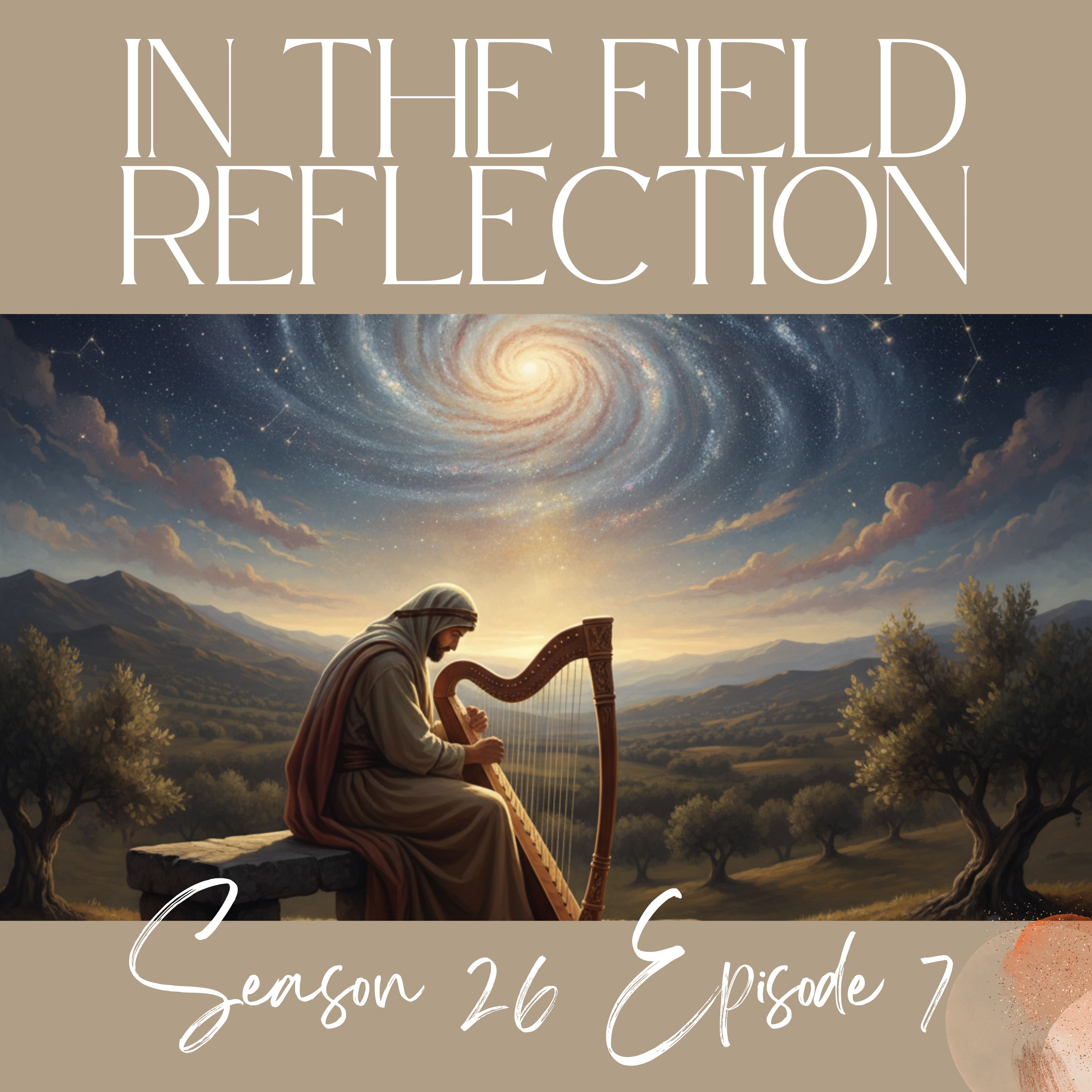
The ache of being misunderstood is a wound most of us carry at some point, and this reflection draws that ache into the open through the voice of David and the cadence of Psalm 7. We begin in a landscape where accusation hangs like fog over loyal faces, where a friend turned accuser shakes trust to its core. That setting matters: the olive trees, the cool dawn, the hush before the camp stirs. By slowing down, the heart hears what the mind rushes past—God is near to those crushed by slander and fear. Psalm 7 becomes not only an ancient plea but a present pathway: take refuge, tell the truth, ask for justice, and yield outcomes to the righteous Judge who sees the hidden places of the heart. In this episode, justice found in God’s hands is not just a hope but a reality for listeners who feel hunted by words, betrayed by assumptions, or stretched thin by waiting.
As the narrative unfolds, the focus shifts from pain to prayer. David does not deny the charge; he invites the light. If I have done this… then let the enemy overtake me. That risky honesty is the spine of integrity and the doorway to peace. When we stand before God without spin, our souls stand upright even when our name bends under rumor. The prayer for justice here is not revenge; it is alignment with God’s character. He is described as shield, righteous judge, searcher of minds and hearts—terms that anchor a weary spirit. The imagery of bows strung and pits dug reminds us that evil often collapses under its own weight. For anyone living under false narratives, the psalm offers a pattern: confess what is yours, release what is not, and ask God to establish the righteous at the right time.
Memory becomes medicine as the story recalls Abraham, Noah, Moses, Joshua, and Ruth. This is not nostalgia; it is spiritual evidence. God has acted before, decisively and mercifully, and that record steadies hands that can no longer grip control. Waiting grows bearable when it is held within a larger timeline. The campfire scene models communal faith—some restless and ready to charge, others praying in quiet loops of trust. Both belong. In that tension, song rises. Lament is sung first, because honest pain makes room for true praise. Then gratitude follows, not because every circumstance changed, but because the center did. The psalm teaches an order that still heals: lament, appeal, trust, gratitude. This sequence is not a shortcut around sorrow; it is a well-worn road through it.
Night gives way to dawn, and with dawn comes resolve. David’s praise at sunrise is not performance; it is posture. The soul that has been searched can sing without flinching. For listeners, the takeaway is practical and pastoral: begin the day with refuge rather than reaction; let Scripture set the inner weather; confess quickly; remember widely; sing anyway. Justice delayed is not justice denied when God holds the docket. Until verdicts arrive, the shield of God is enough for the next step. The reflection closes with a blessing and an invitation to share the comfort received, reminding us that hope multiplies when spoken aloud. In a world buzzing with accusation and hurry, Psalm 7 invites us to slow down, to be known by God, and to rise with a steady heart into the mercy of a new day.

Missionary
Christie is a missionary and ordained pastor—a dedicated servant of faith whose life and ministry are centered on sharing God’s Word and bringing comfort to those in need. With a heart shaped by years of military service and missionary outreach in the Caribbean, Africa, and Europe, Christie has long been drawn to serve people from all walks of life.
During her time serving in Thessaloniki, Greece, Christie led a street ministry focused on reaching the city’s homeless community. Equipped with compassion, prayer, and audio bibles in the Greek language, she shared the hope of the Gospel with those living on the margins—offering not just Scripture, but presence, listening, and love.
Her work through In the Field Audio Bible is a natural extension of that calling. These recordings allow Christie to reach listeners with the soothing, uplifting power of God’s Word, whether they are at home, in shelters, or navigating life’s most difficult roads. With every reading, she brings warmth, empathy, and a deep sense of God’s presence—creating sacred moments of peace, encouragement, and spiritual connection.
In August 2025, Christie moved to Vlorë, Albania, continuing her mission of delivering the audio bible to those in need—bringing the hope of Scripture to a new community longing for truth, comfort, and the presence of God.
Christie’s mission remains simple but profound: to offer the gift of faith, comfort, and the transformative hope of Scripture—one verse, one voice, and one soul at a time.
Stone Corridor Echoes: Faith Walks Through Injustice