Refuge Beyond Rumors: Peace for Troubled Times
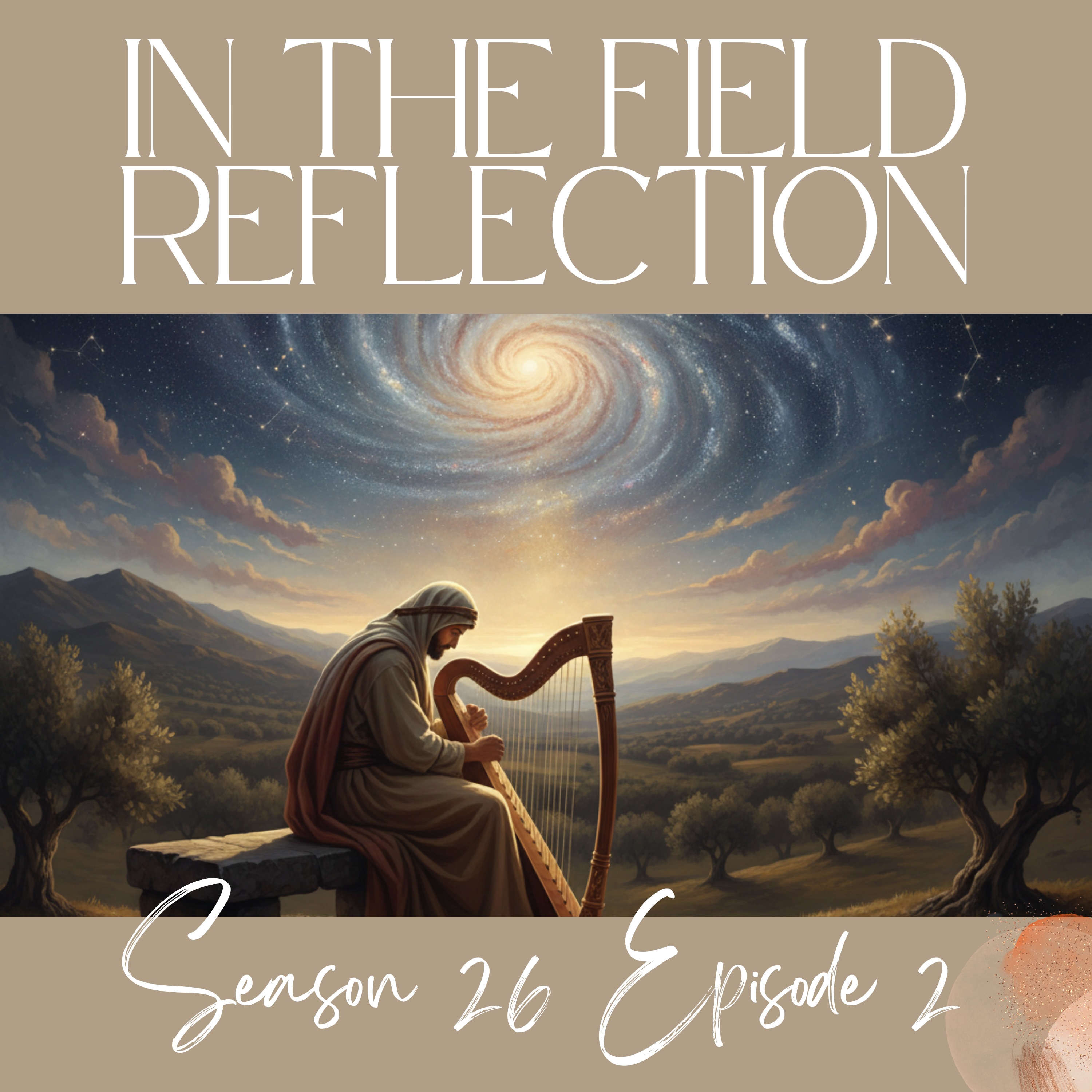
Psalm 2 opens with a jolt: nations conspire, rulers posture, and power seems loud enough to bend destiny. Yet the voice that matters most speaks from a higher place, unthreatened and unwavering. This episode traces the psalm’s world with vivid texture—rooftops, markets, incense, the pulse of drums—and then anchors us in the claim that God appoints His King on Zion. We explore David’s fear and leadership fatigue, the people’s trembling questions, and the Levites’ faithful work of worship that keeps the nation’s heart in rhythm with heaven. Through that setting, the psalm moves from turmoil to trust, giving weary listeners a map from anxiety toward refuge and offering peace for troubled times.
The first movement is realism without despair. David surveys Jerusalem under a sapphire sky while rumors of revolt pass from border posts to palace halls. That honesty matters; faith does not skip the headlines. It invites them into the presence of God. The psalm then reframes human threats by lifting our eyes: He who sits in the heavens laughs. This is not mockery for sport but sovereignty that refuses panic. The decree follows—You are my Son—pointing across time from David’s throne toward the Messiah, Jesus Christ, who embodies the promise that no coalition or crisis can overturn. When we let that claim soak into our days, we trade the scramble for control for a steadier obedience.
Next comes wisdom aimed at rulers and ordinary souls alike: be wise, be warned, serve with reverent joy. The psalm’s language—fear and trembling—doesn’t shrink love; it clears space for it. Reverence is not dread; it’s the sober joy of placing weight on the only foundation that won’t crack. In practice, that looks like choosing prayer before strategy, Scripture before rumor, and worship before reaction. The Levites’ discipline becomes a model: tune your instrument, lift a true note, and let the melody carry fear into trust. Families repeat lines at evening tables, and in doing so they catechize their hearts in hope. Our lives need these small, steady liturgies that teach endurance when news cycles churn.
The psalm’s promise—happy are all who take refuge in Him—lands as both comfort and call. Refuge is not avoidance; it is relocation of trust. It frees leaders to carry responsibility without believing they are the final safeguard. It releases parents from the illusion that constant vigilance can guarantee the future of those they love. It invites students, workers, and elders to enter the day courageous and gentle, because the King is already enthroned. And for the doubter who wonders whether the covenant still holds, the cross and resurrection answer: the decree stands, and the Kingdom is advancing, not by noise or coercion, but by a sovereign grace that cannot be unseated.
Worship keeps that truth near. Singing Psalm 2 is an act of resistance against fear and pride, a way to align our emotions with reality. When we serve with awe and rejoice with trembling, we confess that holiness and mercy meet in the Anointed One. We are not promised painless days, but we are promised a faithful King and a secure refuge. So we end where the psalm leads us: step back from the brink of self-reliance, set your heart to listen, and let the decree quiet your storm. The Lord’s authority is unchallenged, His love is unending, and His invitation remains open. Take refuge, and live awake, steady, and free.
Missionary
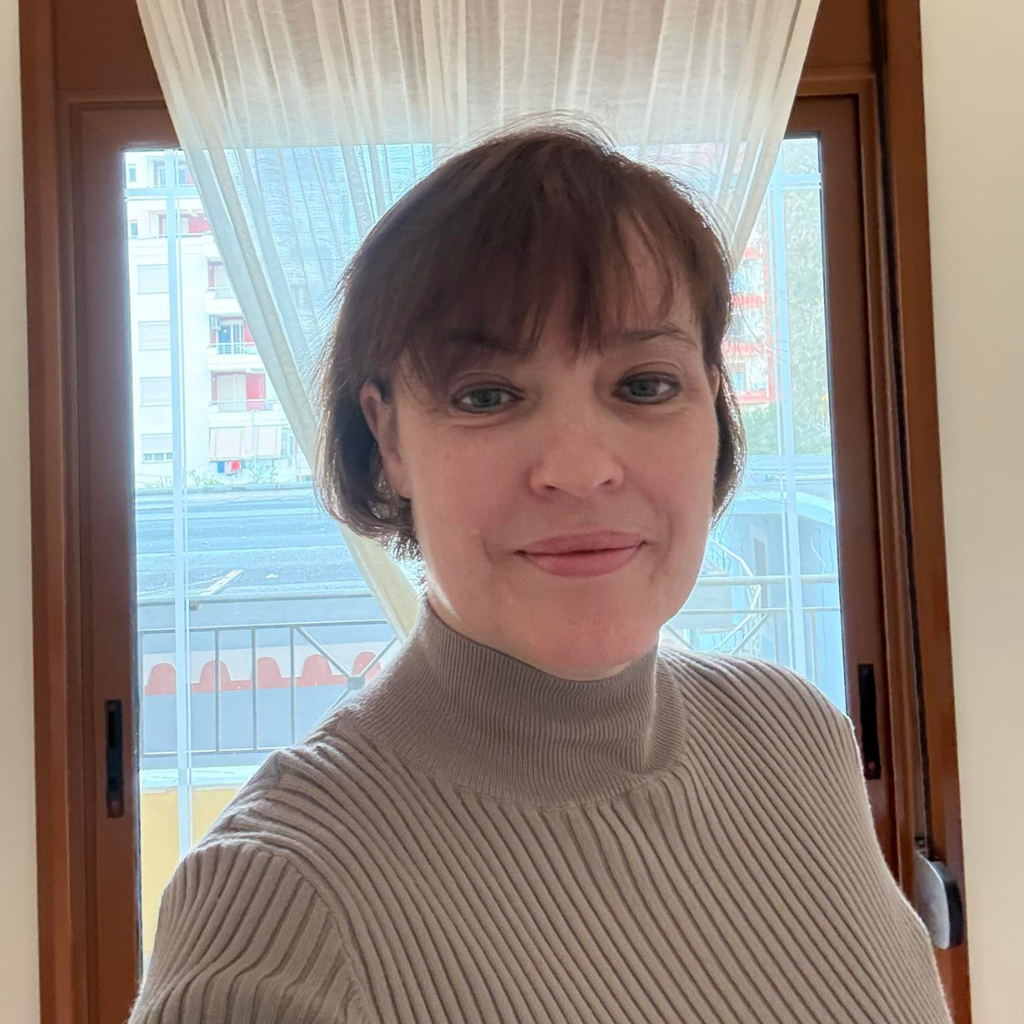
Christie is a missionary and ordained pastor—a dedicated servant of faith whose life and ministry are centered on sharing God’s Word and bringing comfort to those in need. With a heart shaped by years of military service and missionary outreach in the Caribbean, Africa, and Europe, Christie has long been drawn to serve people from all walks of life.
During her time serving in Thessaloniki, Greece, Christie led a street ministry focused on reaching the city’s homeless community. Equipped with compassion, prayer, and audio bibles in the Greek language, she shared the hope of the Gospel with those living on the margins—offering not just Scripture, but presence, listening, and love.
Her work through In the Field Audio Bible is a natural extension of that calling. These recordings allow Christie to reach listeners with the soothing, uplifting power of God’s Word, whether they are at home, in shelters, or navigating life’s most difficult roads. With every reading, she brings warmth, empathy, and a deep sense of God’s presence—creating sacred moments of peace, encouragement, and spiritual connection.
In August 2025, Christie moved to Vlorë, Albania, continuing her mission of delivering the audio bible to those in need—bringing the hope of Scripture to a new community longing for truth, comfort, and the presence of God.
Christie’s mission remains simple but profound: to offer the gift of faith, comfort, and the transformative hope of Scripture—one verse, one voice, and one soul at a time.

The Anchor That Holds: Exploring The Epistle To Hebrews

