Midnight Voices Stilled: Peace Given Not Earned
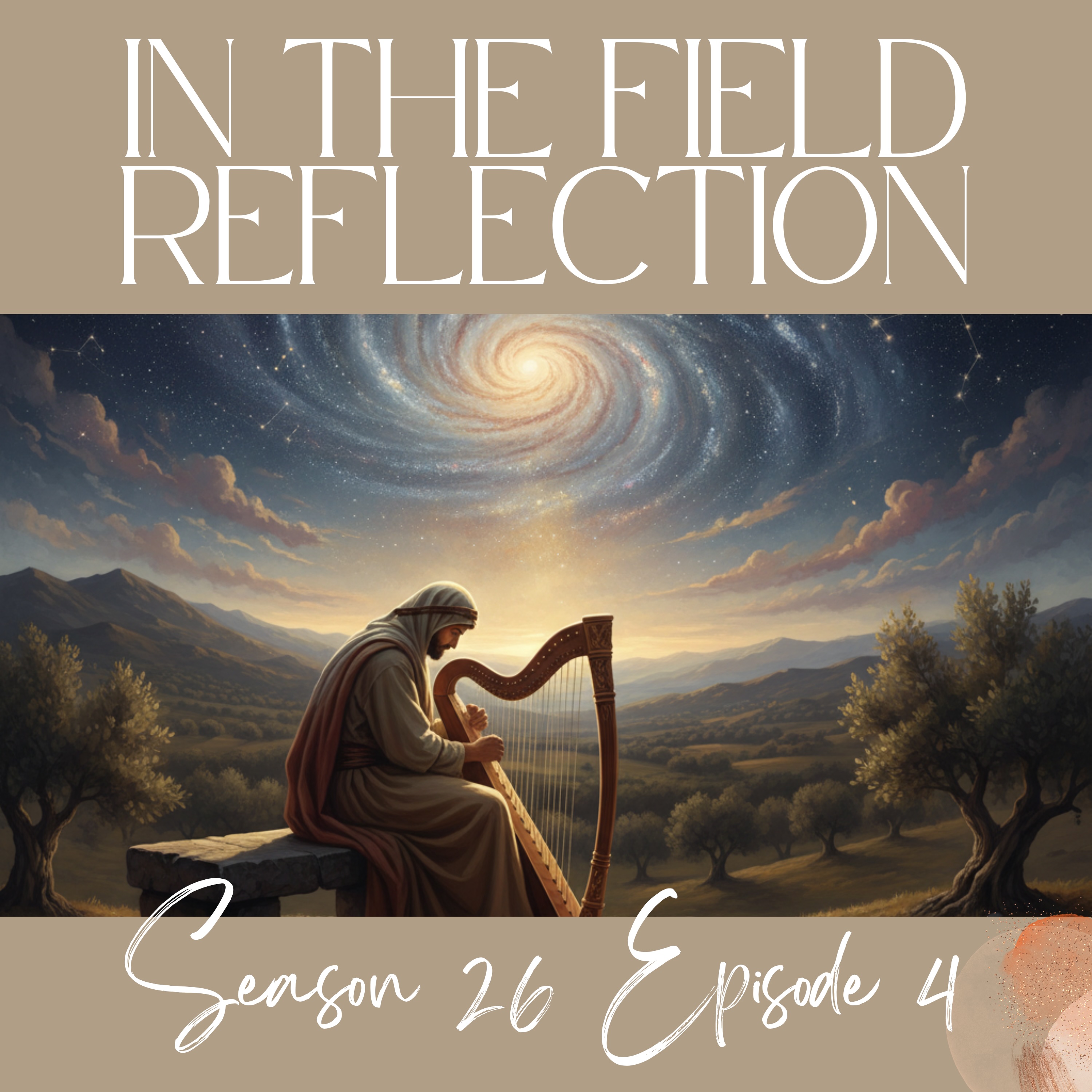
The heart of this episode is a guided journey through Psalm 4, framed by David’s exile, fractured trust, and the slow work of finding rest in God’s presence. We set the scene where leadership feels heavy, rumors distort the truth, and sleep comes hard. Instead of sprinting toward quick fixes, the narrative invites us to pause and let Scripture speak into anxiety, slander, and uncertainty. The Psalm becomes a map for restless souls: an honest cry, a sober counsel, and a closing confidence that safety is a gift, peace given not earned. By moving from the texture of wilderness nights to the cadence of sacred words, we learn how true peace does not depend on status, harvest, or applause, but on the Lord’s nearness.
Psalm 4 opens with a plea: Answer me when I call. David reaches for God not as a final resort but as a familiar refuge. He names the pain of twisted words and the ache of reputation under siege, yet he refuses the trap of bitterness. The Psalm counsels self-control—ponder on your bed and be silent—anchoring emotion with reflection. Right worship and trust replace frantic defense. The pivot is striking: rather than demanding signs, David asks for the light of God’s face. That simple shift reframes success and restores sanity. Gladness arrives not when the barns overflow but when God’s presence is felt. In a world where metrics rule our sense of worth, Psalm 4 argues that the deepest metric is communion.
The reflection widens beyond David’s tent to the testimonies of Abraham, Moses, and Joshua. Their faith did not bloom in comfort; it grew in deserts, delays, and dilemmas. This lineage teaches us to expect God’s voice under open skies and in sleepless hours. The host ties memory to hope: the God who heard Israel’s groans still listens in our wilderness today. When you are disturbed, do not sin is not a reprimand but a path: slow down, breathe, examine your heart, and return to trust. Such trust is not naïve; it knows enemies remain, harvests lag, and accusations echo, yet it chooses the discipline of rest. Rest, here, is obedience, not escape.
By the time Psalm 4 closes, a quiet exchange has taken place. David does not gain a crown back or silence his critics, but he gains something greater: I will both lie down and sleep in peace. This peace is not the absence of conflict; it is the presence of God that steadies the breath and softens the mind. The episode underscores that God’s face shining upon us becomes a better goal than reputational repair or immediate relief. It reminds us to let prayer become our posture and Scripture our shelter. As dawn breaks in the story, hope rises because God has heard again. The takeaway is simple and strong: seek the light of His face, practice holy stillness, trust through the night, and let gladness grow where grain may not. In that place, safety is not fragile; it is promised.

Missionary
Christie is a missionary and ordained pastor—a dedicated servant of faith whose life and ministry are centered on sharing God’s Word and bringing comfort to those in need. With a heart shaped by years of military service and missionary outreach in the Caribbean, Africa, and Europe, Christie has long been drawn to serve people from all walks of life.
During her time serving in Thessaloniki, Greece, Christie led a street ministry focused on reaching the city’s homeless community. Equipped with compassion, prayer, and audio bibles in the Greek language, she shared the hope of the Gospel with those living on the margins—offering not just Scripture, but presence, listening, and love.
Her work through In the Field Audio Bible is a natural extension of that calling. These recordings allow Christie to reach listeners with the soothing, uplifting power of God’s Word, whether they are at home, in shelters, or navigating life’s most difficult roads. With every reading, she brings warmth, empathy, and a deep sense of God’s presence—creating sacred moments of peace, encouragement, and spiritual connection.
In August 2025, Christie moved to Vlorë, Albania, continuing her mission of delivering the audio bible to those in need—bringing the hope of Scripture to a new community longing for truth, comfort, and the presence of God.
Christie’s mission remains simple but profound: to offer the gift of faith, comfort, and the transformative hope of Scripture—one verse, one voice, and one soul at a time.
Unheard No More: The God Who Sees the Forgotten