Faith In Motion: Prayer, Peace, And Responsibility
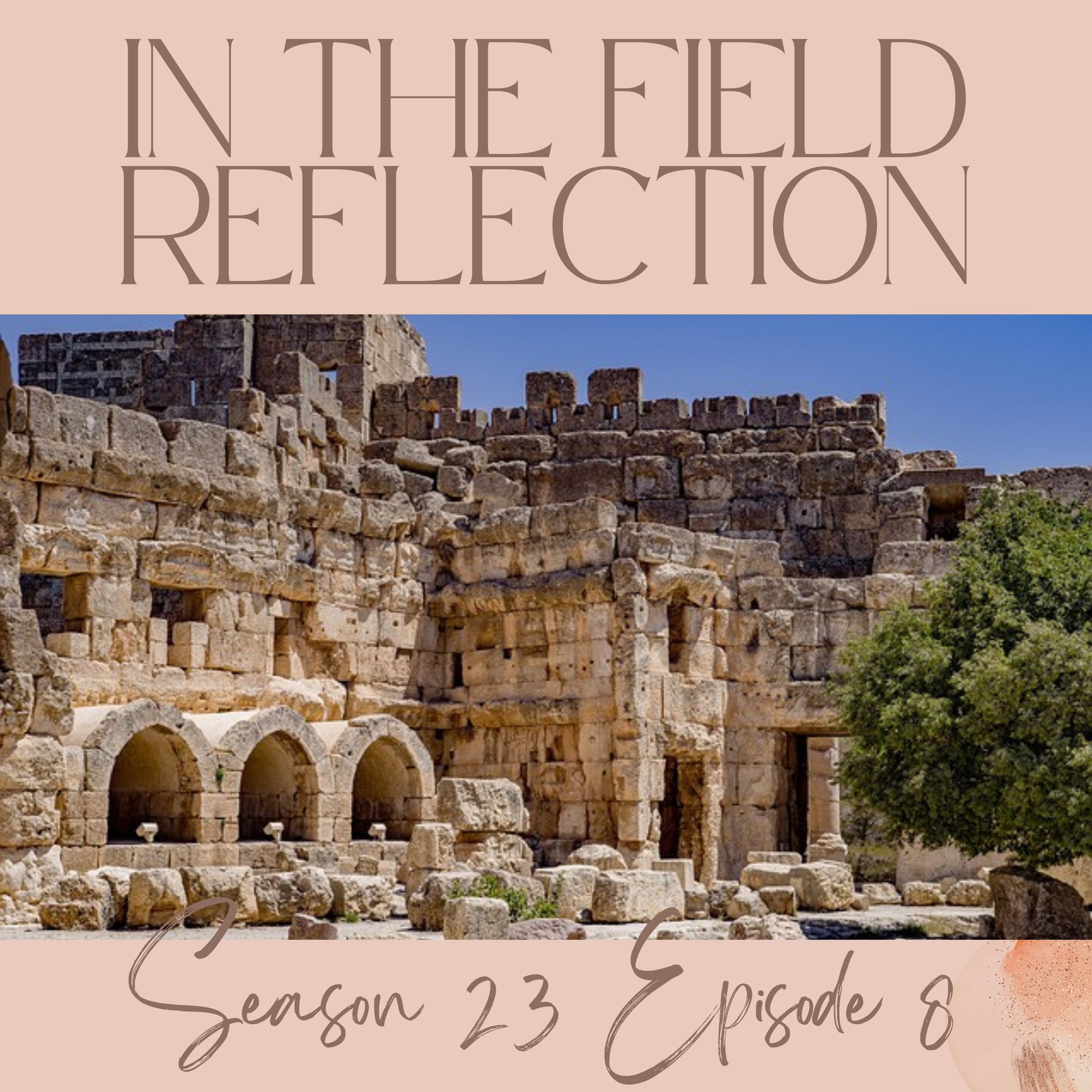
The workshop in Corinth brings the heart of 2 Thessalonians 3 into sharp focus with prayer, peace and responsibility. Prayer comes first, then steady work, then peace that holds. Paul’s opening request is disarming in its simplicity: pray for us, but more than that, pray that the word runs fast and is honored. He centers the mission, not the messengers, and names a sober reality that not all have faith. Yet over the opposition he places a stronger truth: the Lord is faithful. That phrase anchors everything that follows. When a church feels pressure, the instinct is to tighten control or grow cynical. Paul redirects the gaze to a Person who strengthens and guards. Confidence in the Lord births confidence in people. It is pastoral courage to say, we trust you will keep doing what is right, because God is at work in you.
Paul then turns to the stumbling block of idleness. The Thessalonians faced confusion about Christ’s return, and some took waiting to mean withdrawing. Paul refuses that drift. He reminds them of an embodied example: he labored night and day, not because he lacked the right to receive support, but to model a life that carries the gospel through ordinary work. The core command is bracing—anyone unwilling to work should not eat—yet it is framed by compassion. The church cares for the truly vulnerable: the sick, the elderly, the widowed. Discipline here is not disdain; it is love that seeks restoration. Enabling idleness is not mercy. Calling people back to quiet diligence is. Paul’s charge to settle down and earn your bread is a summons to dignity, purpose, and healthy community life.
For the faithful who are already steady, Paul offers a simple guardrail: do not grow weary in doing what is right. Weariness can creep in when others exploit generosity or when hope feels delayed. Paul answers with both spine and softness. Mark the disobedient so that they feel the pinch of separation, but never treat them as enemies. Warn them as family. This is the rhythm of gospel correction—clear boundaries with a door standing open. Shame is not the goal; awakening is. Repentance restores, and restored brothers and sisters return to the table of shared work and shared bread. In a culture that confuses acceptance with approval, Paul’s clarity is both jarring and healing.
The letter closes where it began: with the Lord himself. Peace at all times and in every way is not a promise of ease, but a presence that steadies. Christ with you reframes deadlines, conflicts, and the ache of waiting. Paul authenticates the letter with his own hand, aware of false voices and forged words. That personal mark points to a deeper assurance—the Shepherd knows his own voice and makes it known among his people. The lesson that travels from Corinth to our streets is enduring: Christian hope does not sideline the ordinary. Waiting for Christ looks like prayer that fuels action, work done quietly and well, correction aimed at healing, and a peace that outlasts trouble. Faith is not passive belief floating above life; it is embodied obedience that turns belief into daily craft, care, and courage.

Missionary
Christie is a missionary and ordained pastor—a dedicated servant of faith whose life and ministry are centered on sharing God’s Word and bringing comfort to those in need. With a heart shaped by years of military service and missionary outreach in the Caribbean, Africa, and Europe, Christie has long been drawn to serve people from all walks of life.
During her time serving in Thessaloniki, Greece, Christie led a street ministry focused on reaching the city’s homeless community. Equipped with compassion, prayer, and audio bibles in the Greek language, she shared the hope of the Gospel with those living on the margins—offering not just Scripture, but presence, listening, and love.
Her work through In the Field Audio Bible is a natural extension of that calling. These recordings allow Christie to reach listeners with the soothing, uplifting power of God’s Word, whether they are at home, in shelters, or navigating life’s most difficult roads. With every reading, she brings warmth, empathy, and a deep sense of God’s presence—creating sacred moments of peace, encouragement, and spiritual connection.
In August 2025, Christie moved to Vlorë, Albania, continuing her mission of delivering the audio bible to those in need—bringing the hope of Scripture to a new community longing for truth, comfort, and the presence of God.
Christie’s mission remains simple but profound: to offer the gift of faith, comfort, and the transformative hope of Scripture—one verse, one voice, and one soul at a time.
Stone Corridor Echoes: Faith Walks Through Injustice