Dust on Sandals: Shelter Found in Heartbreak
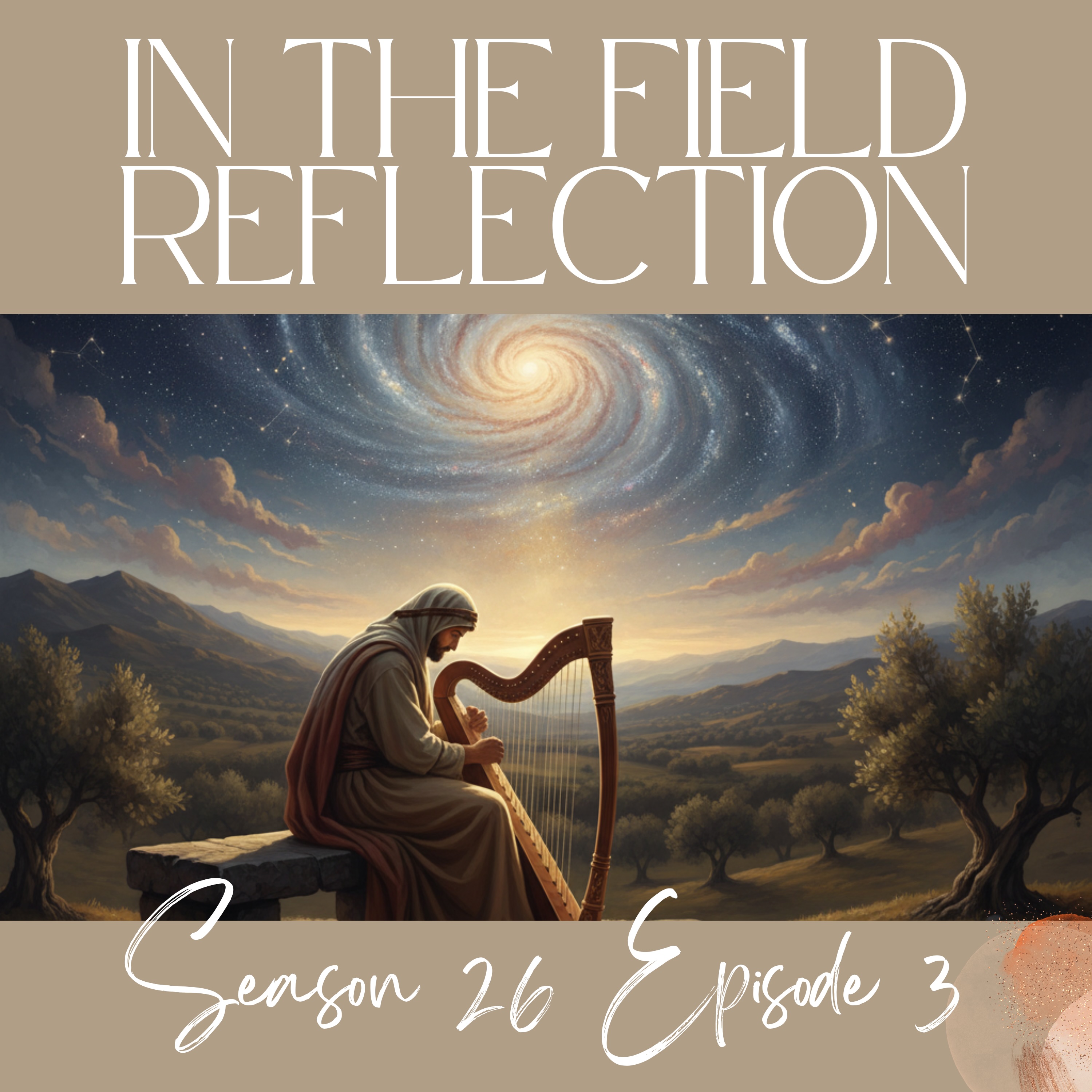
The story opens with a gentle invitation to slow down, breathe, and meet Scripture with open hands. We set the table for weary hearts: a quiet circle where worry can settle and souls can draw near to Christ. This framing matters, because the way we approach the word shapes what we receive from it. The episode centers on Psalm 3, yet the doorway is David’s painful context—family betrayal, public loss, and the wilderness of exile. In this space, shelter found in heartbreak becomes possible. That tension between heartbreak and holy presence prepares listeners to hear a prayer that is both raw and steady: God is a shield, glory, and the lifter of the head. The aim is not a lesson in history alone but a living encounter with the God who meets us in dark nights.
We trace David’s path from throne to flight, watching trust rise where defenses fail. The narrative lingers on human details: dusty roads, torn loyalties, the shiver of night air in olive groves. Those images are not decoration; they anchor faith to real life. David flees not as a coward but as a protector, sparing Jerusalem from civil war. His loss is layered—home, city, children, reputation—and the psalm emerges here, where dignity thins and fear thickens. Into that ache comes a firm confession: You, Lord, are a shield around me. The claim isn’t that danger vanishes; it’s that God surrounds. This is the heart of resilient faith—trust that does not deny pain yet refuses to be ruled by it.
Reading Psalm 3 aloud shifts the atmosphere. The psalm names the threat—many foes, many voices—and then answers with a higher voice from God’s holy hill. It marks a simple rhythm of trust: cry, answer, lie down, sleep, rise again. That sequence becomes spiritual practice. Rest, in this frame, is not naïve; it is courageous obedience to a sustaining God. The psalm’s bold line about not fearing ten thousands does not glorify bravado; it exposes how fear shrinks when held in God’s presence. Deliverance belongs to the Lord. This refrain keeps pressure off the self and places it on the One who saves, freeing us to rest even when outcomes are unclear.
The reflection then invites modern exiles—those cut off by conflict, failure, or fatigue—to own the prayer. Naming fears before God becomes an act of worship, not weakness. Shame bends heads down, but God lifts them, restoring worth that no crown can confer. The episode urges listeners to practice three moves: confess the fear honestly, trust God’s surrounding presence, and rest as a statement of faith. These moves resist a culture of self-rescue and return us to grace. They teach us to welcome small resurrections: each breath as gift, each sunrise as a quiet victory when despair feels loud.
Finally, we broaden the view from personal comfort to shared calling. When we share Scripture, we widen the circle of hope. The closing blessing sends listeners back into ordinary life with steady hearts and soft strength: courage to face another day, not as rulers grasping control, but as servants rooted in faithfulness. The episode’s invitation to connect and support global audio Bibles adds a tangible channel for love. As David learned in the wilderness, God’s presence is not confined to palaces or platforms. It moves along dusty paths, among aching hearts, and in every place where a simple prayer dares to believe: the Lord sustains me.

Missionary
Christie is a missionary and ordained pastor—a dedicated servant of faith whose life and ministry are centered on sharing God’s Word and bringing comfort to those in need. With a heart shaped by years of military service and missionary outreach in the Caribbean, Africa, and Europe, Christie has long been drawn to serve people from all walks of life.
During her time serving in Thessaloniki, Greece, Christie led a street ministry focused on reaching the city’s homeless community. Equipped with compassion, prayer, and audio bibles in the Greek language, she shared the hope of the Gospel with those living on the margins—offering not just Scripture, but presence, listening, and love.
Her work through In the Field Audio Bible is a natural extension of that calling. These recordings allow Christie to reach listeners with the soothing, uplifting power of God’s Word, whether they are at home, in shelters, or navigating life’s most difficult roads. With every reading, she brings warmth, empathy, and a deep sense of God’s presence—creating sacred moments of peace, encouragement, and spiritual connection.
In August 2025, Christie moved to Vlorë, Albania, continuing her mission of delivering the audio bible to those in need—bringing the hope of Scripture to a new community longing for truth, comfort, and the presence of God.
Christie’s mission remains simple but profound: to offer the gift of faith, comfort, and the transformative hope of Scripture—one verse, one voice, and one soul at a time.
Unheard No More: The God Who Sees the Forgotten