Walls Fall Down: Strangers Become True Family
The heart of this bible-reading podcast episode is heard through the vivid, steady voice of the Apostle Paul writing from a Roman prison cell. The imagery matters: cold stone, clinking chains, a low oil lamp, and a calm insistence that grace is stronger than circumstances, where strangers become true family. That setting turns Scripture into a kind of Christian meditation, inviting spiritual renewal rather than rushed consumption. If you come to the Bible feeling tired, distracted, or ashamed, the pace and tone create space for quiet joy, rest, and a clear sense that God’s Word meets you where you are.
Ephesians 2 begins with an uncomfortable diagnosis: “You were dead” in trespasses and sins. Not bruised, not slightly off track, but lifeless apart from God. The episode lingers on how easy it is to mistake moral effort for spiritual life, or to confuse religious activity with inner transformation. Then the pivot arrives with seismic force: “But God.” Those words carry the gospel’s center of gravity. God is rich in mercy, moved by great love, making the dead alive with Christ. The core message is salvation by grace through faith, not the result of works, so nobody can boast.
From there, the passage expands into identity and belonging, which is why it resonates so strongly with listeners who feel far off. Paul says we are raised up with Christ, seated with him, and remade as God’s workmanship, created for good works prepared in advance. This is not self-improvement spirituality; it is new creation. The episode highlights how grace is not permission to stay stuck, but power to walk in newness of life. The practical question becomes personal: am I still wearing “grave clothes” of old habits, old shame, or old fear, even though I’ve been given life?
This episode also speaks directly to division, hostility, and the ways we label people as outsiders. Christ is named as our peace, the one who breaks down the dividing wall and forms “one new humanity.” That is both theology and an invitation to examine our reflexes. Do we see enemies where God is building family? Do we treat difference as threat rather than a place for reconciliation? The episode ties this to the image of a household and a holy temple: strangers become citizens, and every life becomes a living stone joined together with Christ as the cornerstone.
By the end, the listener is left with gentle but direct application: wake up remembering you are God’s workmanship; face discouragement by returning to “But God”; stop trying to rebuild access to God brick by fragile brick. This kind of audio Bible experience is meant to be repeated, revisited, and shared, especially when faith feels cold or distant. Ephesians 2 offers a sturdy foundation for Christian living: grace that rescues, peace that reconciles, and a belonging that cannot be earned, only received.
Missionary
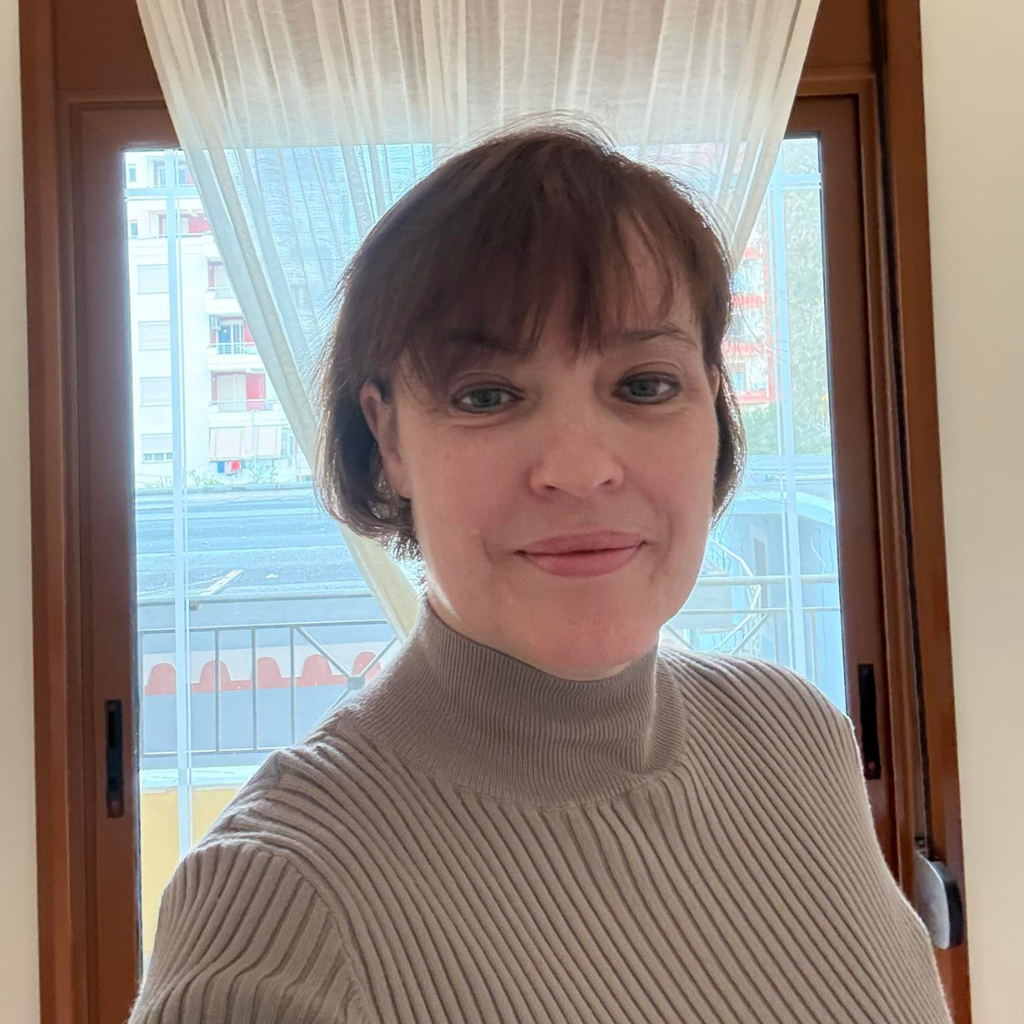
Christie is a missionary and ordained pastor whose life and ministry center on sharing God’s Word and comforting those in need. With a heart shaped by years of military service and missionary outreach in the Caribbean, Africa, and Europe, Christie has long been drawn to serve people from all walks of life.
During her time serving in Thessaloniki, Greece, Christie led a street ministry focused on reaching the city’s homeless community. Equipped with compassion, prayer, and audio bibles in the Greek language, she shared the hope of the Gospel with those living on the margins by offering not just Scripture, but presence, listening, and love.
Her work through In the Field Audio Bible is a natural extension of that calling. These recordings allow Christie to reach listeners with the soothing, uplifting power of God’s Word, whether they are at home, in shelters, or navigating life’s most difficult roads. With every reading, she brings warmth, empathy, and a deep sense of God’s presence by creating sacred moments of peace, encouragement, and spiritual connection.
In August 2025, Christie moved to Vlorë, Albania, continuing her mission to deliver the audio bible to those in need. She brings the hope of Scripture to a new community longing for truth, comfort, and the presence of God.
Christie’s mission remains simple but profound: to offer the gift of faith, comfort, and the transformative hope of Scripture one verse, one voice, and one soul at a time.
Before Creation Began: God Already Chose You