One Foot in Heaven: The Door No One Can Close
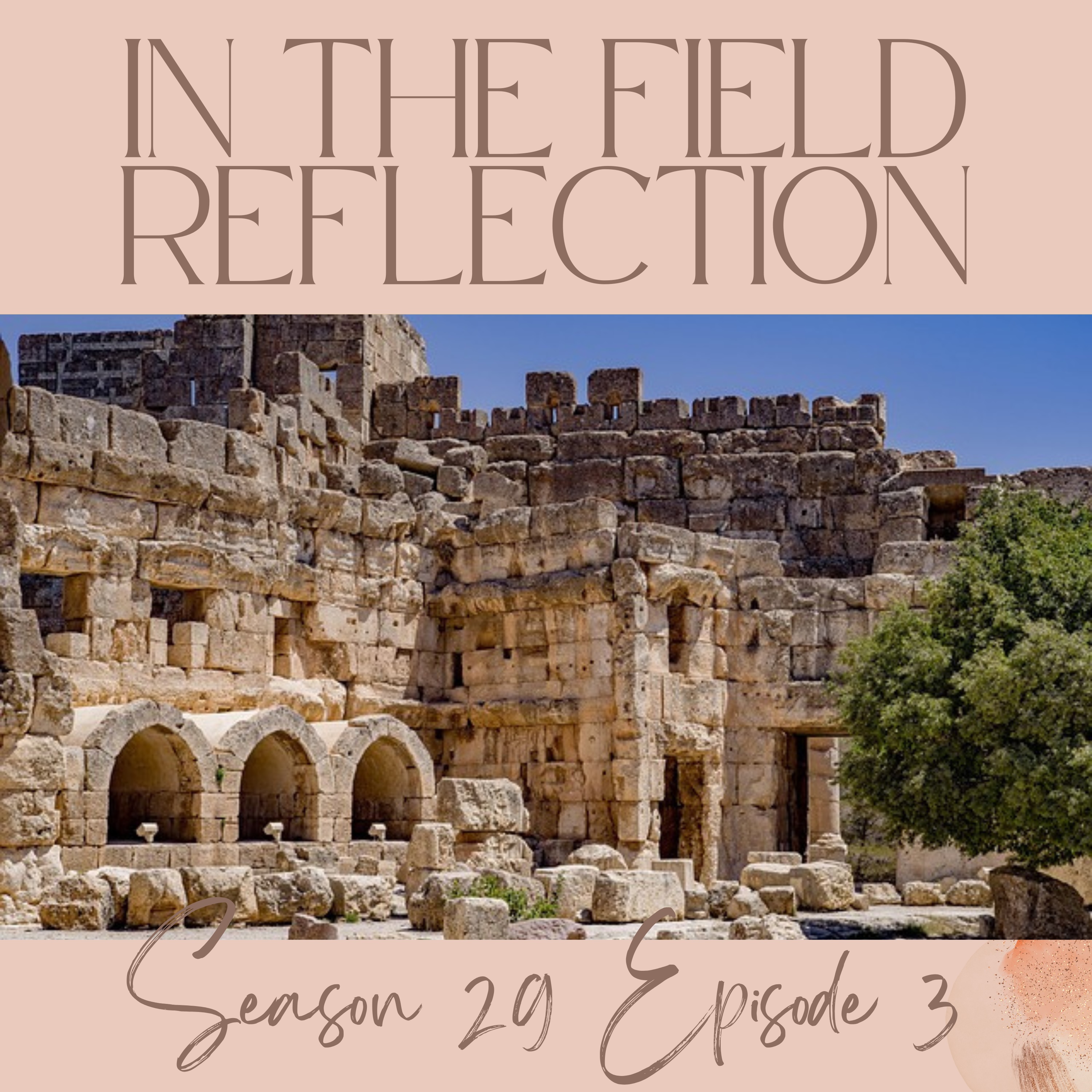
The sea wind off Patmos feels close and sharp in this immersive reading of Revelation 3, where John's exile becomes a doorway for the church's awakening. We enter the cave, feel the salt and stone, and hear the Living One speak with tenderness and weight. The episode weaves contemplation with Scripture so listeners can slow down, breathe, and receive. Instead of racing through doctrine, we linger in the textures of place: the scrape of parchment, the hush before a vision, and the ache of an old body still kindled by a young fire. That sensory detail grounds the letters to Sardis, Philadelphia, and Laodicea in a real world of markets, vineyards, and hidden gatherings, reminding us that faith is always embodied and local before it is lofty and global. And through it all, we hear the promise of the door no one could close—a way forward, a way in, a way home.
The message to Sardis cuts through pretense: a name for life that conceals a hollow center. Wake up. Remember. Repent. The call here is not to dramatic spectacle but to quiet rebuilding of what remains. Spiritual vitality is not a brand; it’s a breath-by-breath returning to what we first received. In practice, that looks like repairing prayer habits, rejoining the gathered church, mending confession with action, and measuring health by obedience rather than applause. The image of white robes reframes honor: worthiness is not swagger but a closeness to Jesus that keeps garments clean in a dusty world. The promise to confess our names before the Father turns identity from self-made narrative to Christ-spoken testimony.
Philadelphia stands small in the empire’s shadow yet walks through an open door that no one can shut. Power here is faithfulness under pressure, not cultural sway. The key of David signals a Messiah who secures access, and the pillar promise speaks to belonging that cannot be toppled by scandal, scarcity, or scorn. For modern listeners, this resets ambition: not chasing platforms, but embracing assignments that look modest and prove eternal. Endurance becomes a practiced love—steady service, guarded truth, and patient hope. Vindication is not spite but revelation: those who doubted learn that the church is loved. A new name inscribed by God answers our restless hunt for status with a settled identity.
Laodicea pains us because we know its ease. Lukewarmness is comfort without communion, success without sight. The sharp rebuke is actually an embrace: those He loves He disciplines. Gold refined by fire, white clothing, and eye salve are invitations to traded wealth—purity instead of display, clarity instead of denial. The knock at the door is the most tender image in a hard letter: Christ asks to dine, to restore table fellowship. Renewal starts not with public zeal but with private hospitality to the Presence. From that meal flow courage, generosity, and a restored witness that is hot with love or bracingly cold with truth, but never dull.
Threaded through the reading is John’s humanity—aching joints, trembling hands, sleepless prayers—which helps us trust the weight of the words. Revelation is not spectacle for the curious; it is sustenance for the church under pressure. The episode closes by widening the horizon: after the letters comes the throne, the scroll, and the worship that orients all earthly struggle. That arc teaches us to read our local faithfulness within a cosmic story. We are not abandoned outposts; we are participants in a kingdom that cannot be shut. The final blessing calls us to share comfort, persist in endurance, and welcome Jesus’ knock today. In a noisy age, this slow, reverent reading offers a needed grace: to wake, to hold fast, and to open the door.
Missionary
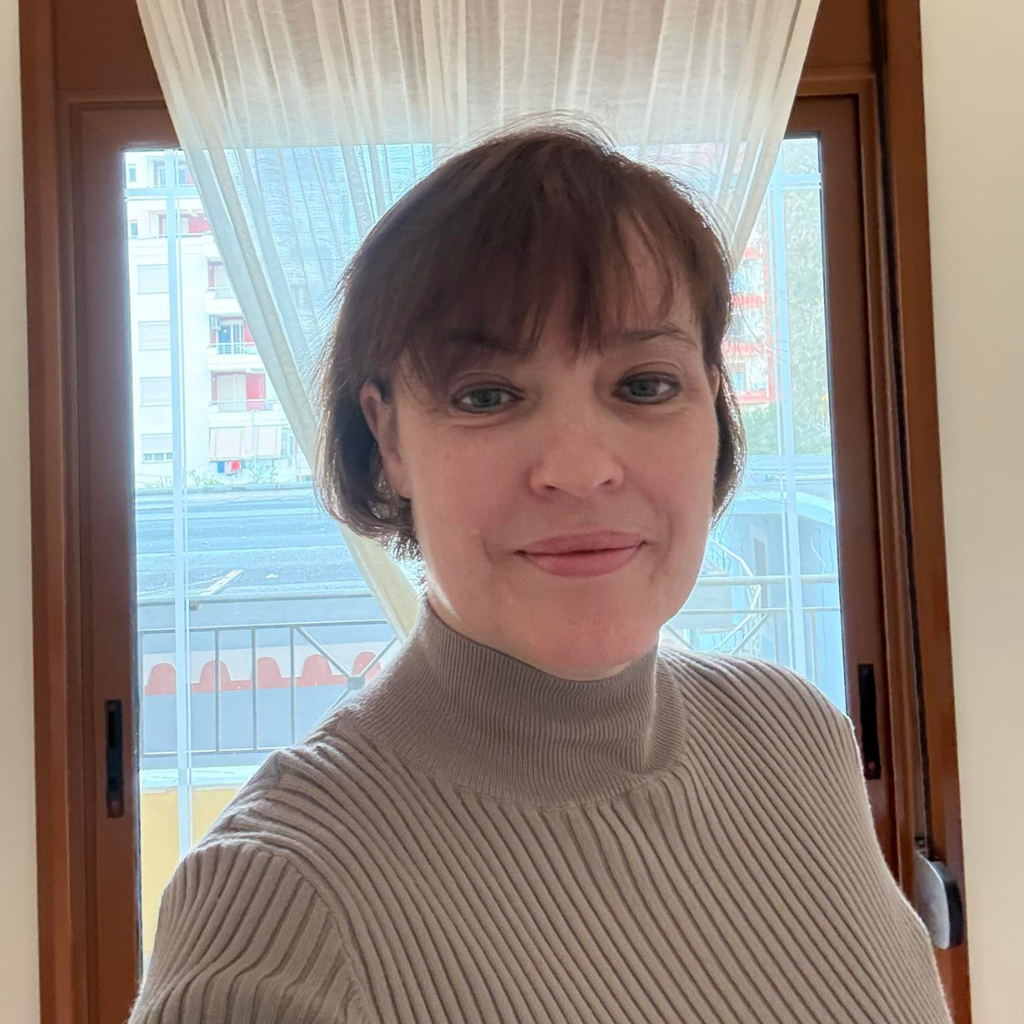
Christie is a missionary and ordained pastor—a dedicated servant of faith whose life and ministry are centered on sharing God’s Word and bringing comfort to those in need. With a heart shaped by years of military service and missionary outreach in the Caribbean, Africa, and Europe, Christie has long been drawn to serve people from all walks of life.
During her time serving in Thessaloniki, Greece, Christie led a street ministry focused on reaching the city’s homeless community. Equipped with compassion, prayer, and audio bibles in the Greek language, she shared the hope of the Gospel with those living on the margins—offering not just Scripture, but presence, listening, and love.
Her work through In the Field Audio Bible is a natural extension of that calling. These recordings allow Christie to reach listeners with the soothing, uplifting power of God’s Word, whether they are at home, in shelters, or navigating life’s most difficult roads. With every reading, she brings warmth, empathy, and a deep sense of God’s presence—creating sacred moments of peace, encouragement, and spiritual connection.
In August 2025, Christie moved to Vlorë, Albania, continuing her mission of delivering the audio bible to those in need—bringing the hope of Scripture to a new community longing for truth, comfort, and the presence of God.
Christie’s mission remains simple but profound: to offer the gift of faith, comfort, and the transformative hope of Scripture—one verse, one voice, and one soul at a time.

Stillness in Battle: Confidence Beneath Heaven’s Rule

