Unheard No More: The God Who Sees the Forgotten
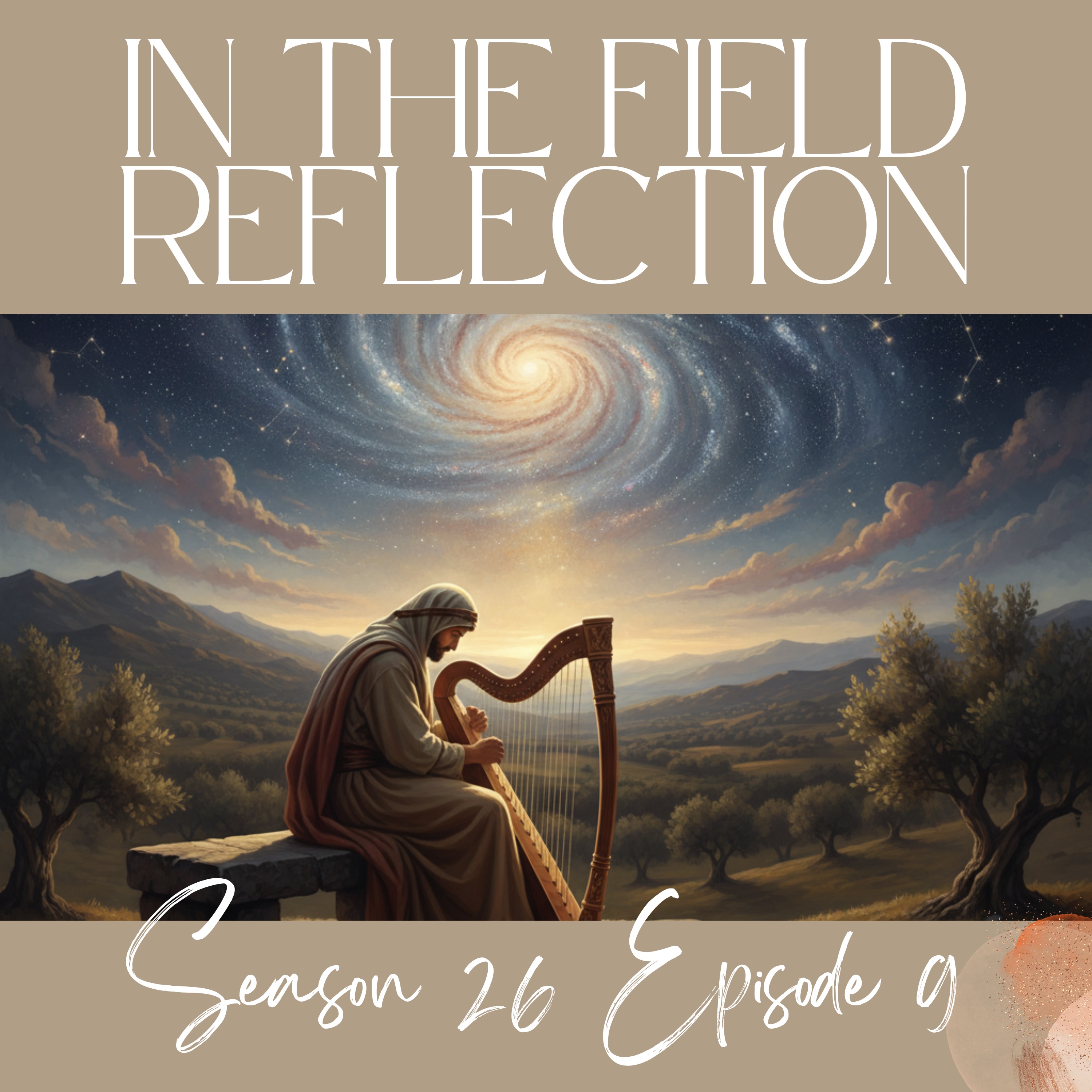
The evening hush over Jerusalem sets a scene that speaks to anyone who has stood between triumph and wonder. The narrative opens with David pausing before celebration, grounded not in the noise of victory but in gratitude for God's steady hand. That contrast matters in a world that prizes outcomes over origins. We hear about scarred city walls and faithful companions, yet the focus keeps circling back to a heart learning to worship before it wins, and to remember Who carries the story when the crowd fades. In these quiet moments, we are reminded of the God who sees the forgotten, those whose names may be overlooked by others but are cherished by the One who writes every story. The voice invites us, as listeners, to slow down, breathe, and locate our smallness within God's largeness without losing our dignity or our hope. It's a tenderness that turns battle reports into a threshold for prayer.
From that vantage, Psalm 9 becomes more than a passage; it becomes a posture. The psalm declares God’s righteous judgment and His nearness to the oppressed, pairing the grandeur of a throne with the intimacy of refuge. That pairing is central to the episode’s rhythm: justice that is not abstract and mercy that is not sentimental. The afflicted are not forgotten; the wicked are snared by their own works; the Lord sits enthroned and yet stands near. When we hold those lines together, our categories stretch. We learn to celebrate with integrity, to resist triumphalism, and to anchor joy in remembrance, not conquest. The text argues, quietly but firmly, that worship is truth-telling about God’s character in public and in private.
David’s recollections—fields, caves, courts—show how faith matures under pressure. Each memory is framed as an altar stone, a way of naming moments where God’s presence reframed danger as dependence and loss as formation. This turns biography into liturgy: the shepherd’s night sky, the musician’s psalms, the soldier’s discipline, the king’s humility. The episode draws out a practical theology of rule and responsibility: lead with justice, defend the weak, remember the source. For modern listeners, that maps onto leadership at home, work, and community. Justice becomes the habit of noticing the vulnerable, mercy becomes the courage to move toward them, and humility becomes the memory that every crown is borrowed.
The reading of Psalm 9 itself strikes a cadence of giving thanks with a whole heart, recounting wonderful deeds, and recognizing the moral grain of the world. Righteous judgment is not vengeance; it is alignment with what is true, fair, and life-giving. The oppressed find a stronghold, not an escape hatch but a place to stand and breathe. This matters for anyone walking through grief, burnout, or uncertainty: the psalm does not deny pain; it names a place within God where pain does not get the final word. The call to rise up, O Lord, is a disciplined hope that prays with open eyes, asks for equity, and confesses our limits.
The pastoral blessing near the end gathers the strands: peace like dew, courage under stars, joy that returns after long nights. The city’s lanterns become a map of human longing, and the prayer stretches outward to widows, orphans, strangers, and nations. This outward curve is the true hallmark of remembered grace. Gratitude that stays private shrinks; gratitude that overflows becomes justice in motion. Listeners are urged to let memory become mercy, to let worship become witness, and to let rest become readiness for tomorrow’s work. As the episode closes, the invitation is simple and demanding: share the comfort you found, stay rooted in God’s unshakable reign, and carry Psalm 9’s refuge into the streets where you live.
Finally, the practical path forward is clear: keep returning to Scripture, keep recounting what God has done, and keep joining a community that turns listening into living. Whether you stand on a hill at dusk or sit at a kitchen table before dawn, the pattern holds: pause, remember, give thanks, and act with kindness. Like David, we are small and held; like Zion, we are local and watched over. Justice and mercy are not opposing teams but one melody in God’s key. Let Psalm 9 tune your week, steady your breath, and teach your hands to build altars from honest memories and hopeful deeds.

Missionary
Christie is a missionary and ordained pastor—a dedicated servant of faith whose life and ministry are centered on sharing God’s Word and bringing comfort to those in need. With a heart shaped by years of military service and missionary outreach in the Caribbean, Africa, and Europe, Christie has long been drawn to serve people from all walks of life.
During her time serving in Thessaloniki, Greece, Christie led a street ministry focused on reaching the city’s homeless community. Equipped with compassion, prayer, and audio bibles in the Greek language, she shared the hope of the Gospel with those living on the margins—offering not just Scripture, but presence, listening, and love.
Her work through In the Field Audio Bible is a natural extension of that calling. These recordings allow Christie to reach listeners with the soothing, uplifting power of God’s Word, whether they are at home, in shelters, or navigating life’s most difficult roads. With every reading, she brings warmth, empathy, and a deep sense of God’s presence—creating sacred moments of peace, encouragement, and spiritual connection.
In August 2025, Christie moved to Vlorë, Albania, continuing her mission of delivering the audio bible to those in need—bringing the hope of Scripture to a new community longing for truth, comfort, and the presence of God.
Christie’s mission remains simple but profound: to offer the gift of faith, comfort, and the transformative hope of Scripture—one verse, one voice, and one soul at a time.
One Foot in Heaven: The Door No One Can Close