Stewards Stand Silent: True Authority Found in Surrender
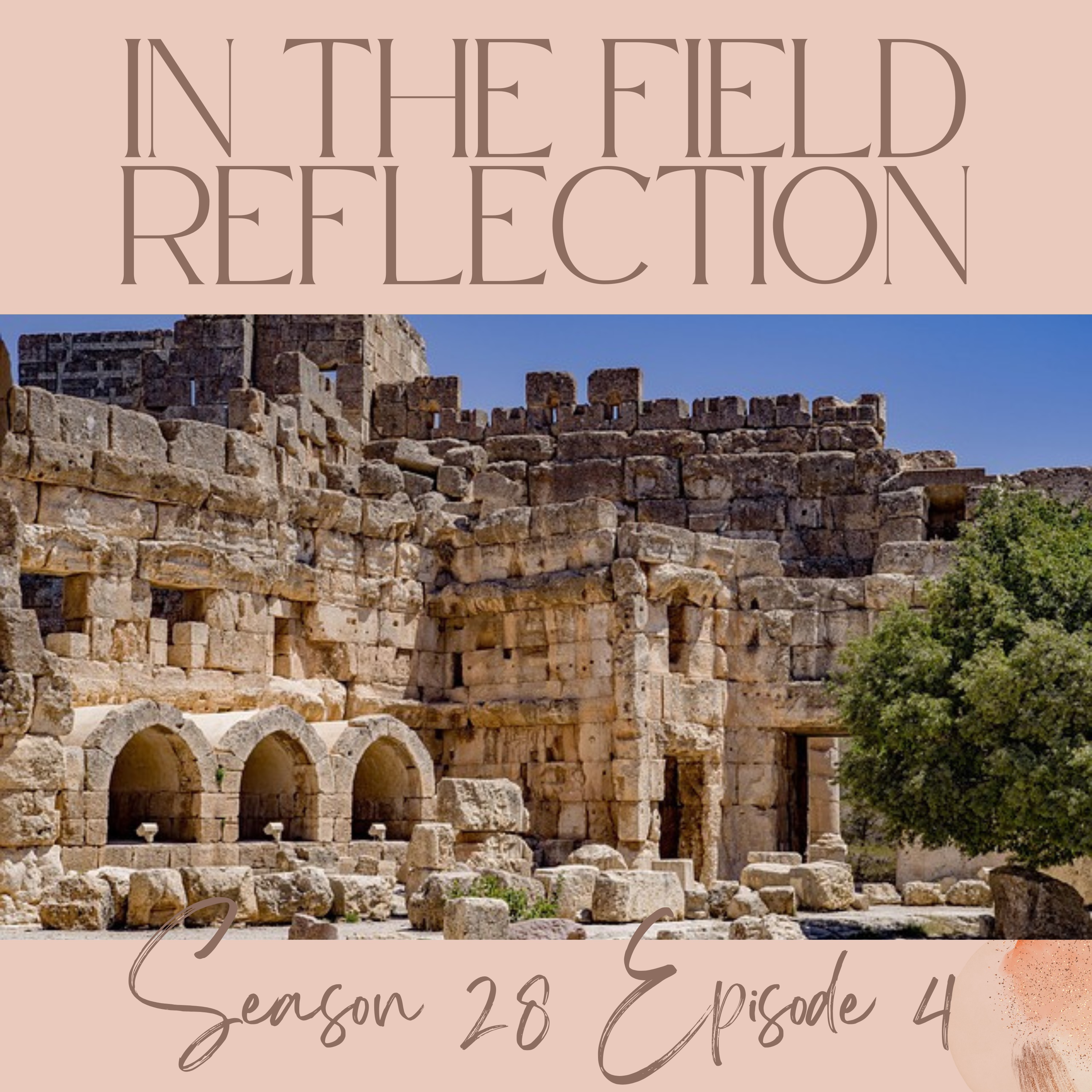
The streets of Corinth feel close, not ancient. We can almost smell the bread and hear the harbor while Paul invites us to trade status for stewardship. This episode centers on 1 Corinthians 4, yet moves beyond a simple reading into a lived meditation on authority, judgment, and the quiet work of God. Paul's core message is uncomfortably clear: we are servants of Christ and stewards of God's mysteries, not owners of outcomes or collectors of applause. In a city obsessed with eloquence, wealth, and rank, he reframes success as faithfulness that bears fruit over time, true authority found in surrender, not in striving. The value for the listener is immediate—freedom from the churn of comparison, and a roadmap for leading without ego in homes, teams, and churches.
Paul’s teaching begins with identity: servants, not stars. A steward manages what belongs to another and is judged on trustworthiness, not flair. This shift cracks open the grip of pride. If everything we have is received, boasting shrivels. Paul refuses to be mastered by human courts, or even by his own clear conscience; only the Lord sees motives in full light. That recalibration relieves us from the tyranny of opinion and resets our metrics from likes to lives changed. Accountability remains, but it is exercised with humility. We correct and encourage others as people under the same judgment, aware that our vision is partial and our hearts are mixed.
Then Paul tackles perception. Apostles are a spectacle, not in polished triumph but in costly faithfulness. He names a paradox: fools for Christ, weak by worldly standards, and yet carriers of real power. He works with his hands to silence suspicions of gain and to model a different economy of honor. The point is not ascetic performance but integrity—authority as borrowed, purpose as service, and credibility as character under pressure. For modern listeners, that means leading teams without self-branding, mentoring without leveraging people for clout, and choosing clarity over charisma when truth is at stake.
The reading of 1 Corinthians 4 lands as both mirror and map. It mirrors our divisions—teacher-loyalty, platform envy, polished talk without transformed lives. It maps a path forward: do not judge before the time; let God disclose the heart; imitate the way of Christ that blesses when reviled and endures when pressed. Paul reminds us that the kingdom of God does not rest on talk but on power. Not volume, not vocabulary—power shown in repentance, restored relationships, and perseverance that outlasts headlines. That power emerges when weakness yields to the Spirit, when service outpaces speech, and when love governs liberty.
Finally, the harbor scene ties theology to place. Corinthian pressures feel familiar—promotion ladders, public metrics, clever arguments. Paul does not call the church out of the city but calls it to faithfulness within it. That is the harder assignment. It asks us to lay down the comfort of image control and take up the cross of consistent practice. We steward words and people, not to own them, but to keep them close to the heart of Christ. The takeaway is profoundly practical: measure your week not by attention gained but by trust kept, by grace extended, by hidden obedience. When the Lord judges, let Him find us trustworthy.
Missionary
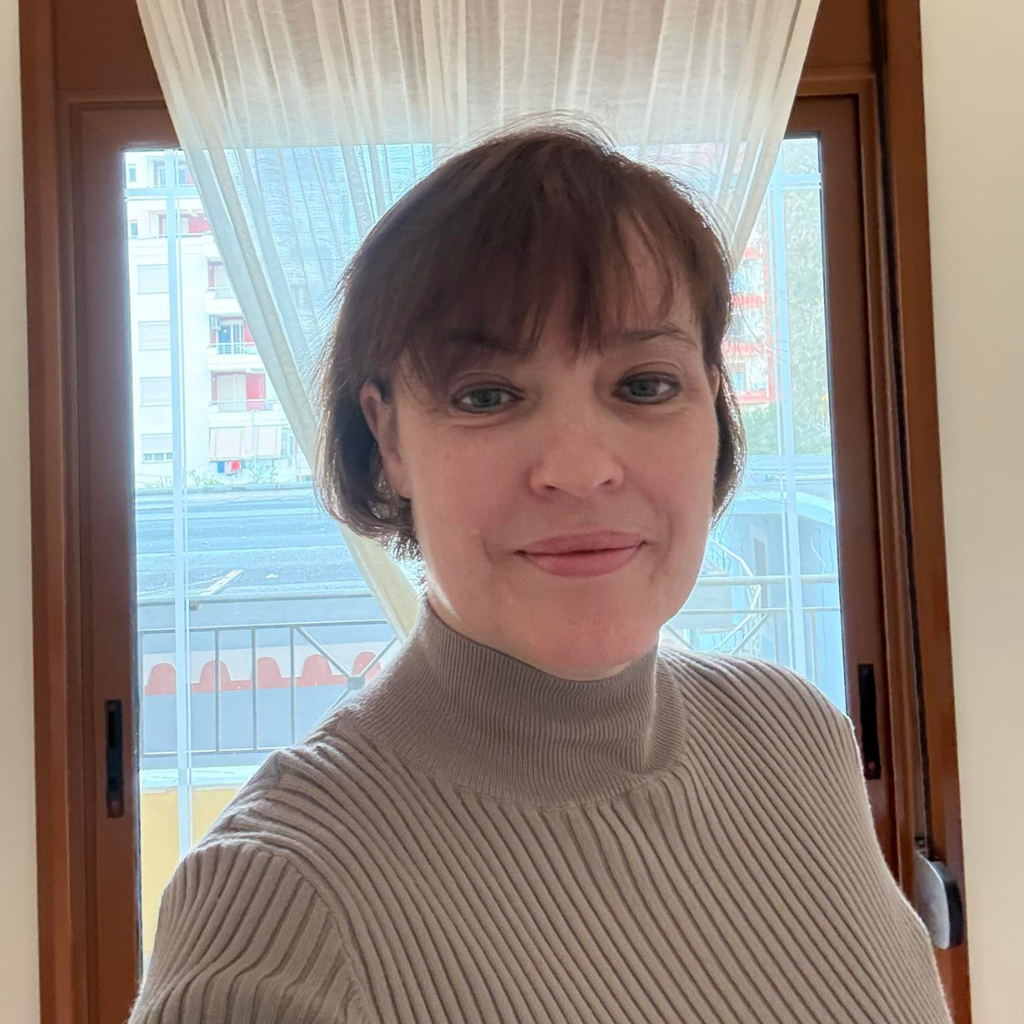
Christie is a missionary and ordained pastor—a dedicated servant of faith whose life and ministry are centered on sharing God’s Word and bringing comfort to those in need. With a heart shaped by years of military service and missionary outreach in the Caribbean, Africa, and Europe, Christie has long been drawn to serve people from all walks of life.
During her time serving in Thessaloniki, Greece, Christie led a street ministry focused on reaching the city’s homeless community. Equipped with compassion, prayer, and audio bibles in the Greek language, she shared the hope of the Gospel with those living on the margins—offering not just Scripture, but presence, listening, and love.
Her work through In the Field Audio Bible is a natural extension of that calling. These recordings allow Christie to reach listeners with the soothing, uplifting power of God’s Word, whether they are at home, in shelters, or navigating life’s most difficult roads. With every reading, she brings warmth, empathy, and a deep sense of God’s presence—creating sacred moments of peace, encouragement, and spiritual connection.
In August 2025, Christie moved to Vlorë, Albania, continuing her mission of delivering the audio bible to those in need—bringing the hope of Scripture to a new community longing for truth, comfort, and the presence of God.
Christie’s mission remains simple but profound: to offer the gift of faith, comfort, and the transformative hope of Scripture—one verse, one voice, and one soul at a time.
Stone Corridor Echoes: Faith Walks Through Injustice