Prophet’s Bold Call: Warnings for Israel’s Neighbors

The first steps into Tekoa feel like a slow breath after a long day. We meet Amos not as a court sage but as a working shepherd whose hands remember bark, wool, and weather. The soundscape of roosters, children, and prayer sets a living backdrop for a message that refuses to be abstract. Prosperity hums through caravans and bright stalls, yet beneath the shine sits a moral ache. The host invites us to walk beside Amos, noticing honest labor, shared bread, and the quiet dignity of ordinary people. This grounding matters: justice is never detached from places, prices, measures, and meals. As Amos delivers warnings for Israel’s neighbors, we see that by locating the message in the market and the gate, the story shows how Scripture breathes in public life.
At Bethel, wealth and worship collide. The city beats with trade, languages mingle, and incense rises, but so do shortcuts and skewed scales. Amos names the tension without ornament: prayer without justice rings hollow. The episode lingers on simple scenes—a woman’s weary generosity, a father’s blessing, children reciting the Shema—to reveal how small acts disclose a community’s true theology. We hear the prophet’s refrain that honesty in the marketplace and compassion in the courts are not extras; they are the core. As listeners, we are nudged to audit our own habits: how we price, how we serve, how we share, and whether our liturgy matches our ledger.
Then the roar. The oracles against the nations in Amos 1 unfold with measured cadence: Damascus, Gaza, Tyre, Edom, Ammon, Moab. Each indictment ties judgment to concrete harm—exile, betrayal, cruelty—reminding us that divine anger is not mood but moral clarity. The host’s reading frames the text as both history and mirror. Names from distant maps echo into modern streets where profit can eclipse people and policies can grind the vulnerable. Yet the tone never collapses into despair. The fierce word aims at mending, not spectacle. Amos insists that truth may wound, but it opens space for repentance, which always signals hope.
Between scenes, we hear the quiet courage of calling. Amos admits fear and doubt, then keeps speaking. That honesty matters in a world that confuses certainty with faith. The episode draws a line from trembling voices to faithful action: obedience often begins before confidence. Elders at the gates settle disputes, a Levite probes the law, and neighbors share stories of drought and mercy. Justice, then, is both principle and practice—bread for the hungry, fair weights, wages paid on time, courts that see the person before the paperwork. The narrative’s rhythm—walk, listen, read, reflect—models how to receive Scripture with imagination and integrity.
As twilight gathers, the story rests in blessing. Sabbath lamps flicker, psalms rise, and Amos prays that justice would flow through homes and markets alike. This is the episode’s lasting gift: holiness is not a weekend island but a daily river. We are urged to seed justice in our generation, remembering that every table can be an altar and every kindness a quiet prophecy. The closing invitations are gentle but clear: let the word take root, let mercy guide hands, let humility temper strength. The chapter ends, but the work continues wherever we measure fairly, welcome strangers, and choose compassion over comfort.
Missionary
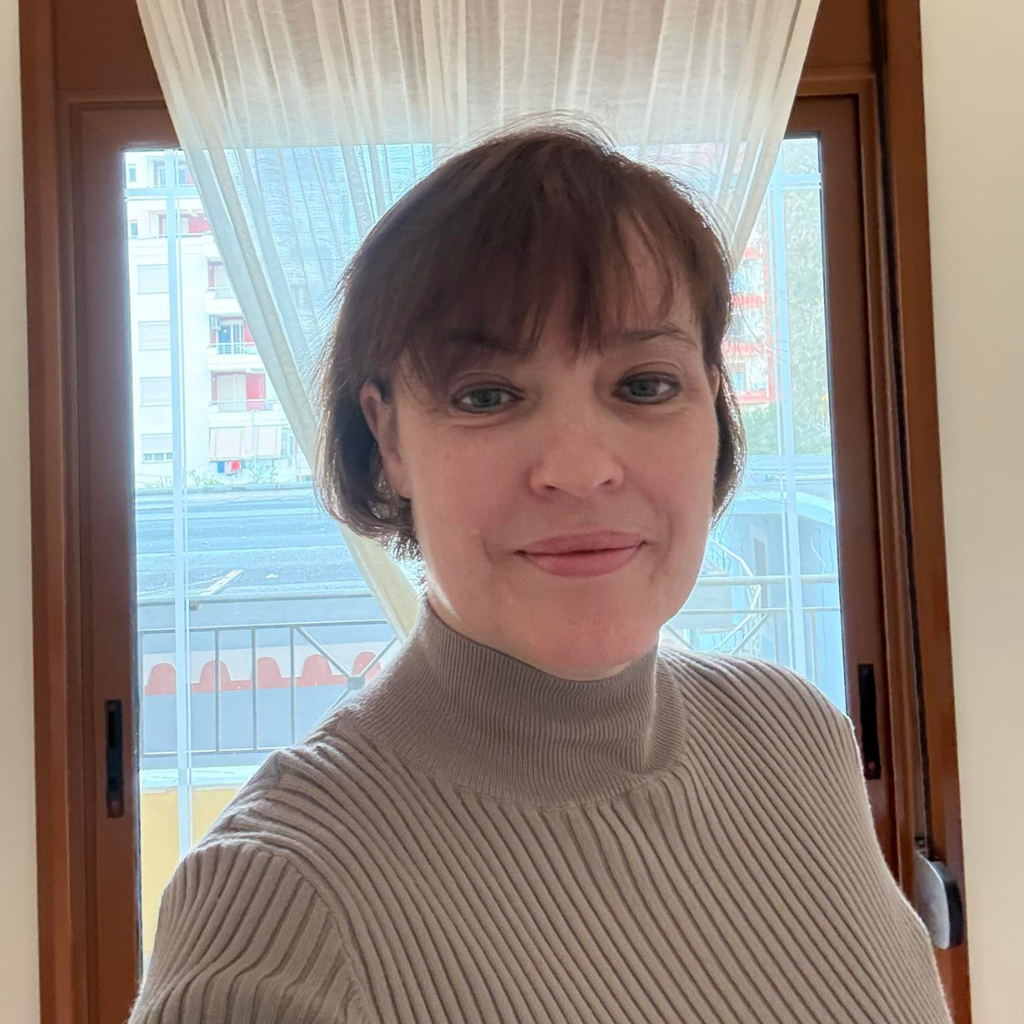
Christie is a missionary and ordained pastor—a dedicated servant of faith whose life and ministry are centered on sharing God’s Word and bringing comfort to those in need. With a heart shaped by years of military service and missionary outreach in the Caribbean, Africa, and Europe, Christie has long been drawn to serve people from all walks of life.
During her time serving in Thessaloniki, Greece, Christie led a street ministry focused on reaching the city’s homeless community. Equipped with compassion, prayer, and audio bibles in the Greek language, she shared the hope of the Gospel with those living on the margins—offering not just Scripture, but presence, listening, and love.
Her work through In the Field Audio Bible is a natural extension of that calling. These recordings allow Christie to reach listeners with the soothing, uplifting power of God’s Word, whether they are at home, in shelters, or navigating life’s most difficult roads. With every reading, she brings warmth, empathy, and a deep sense of God’s presence—creating sacred moments of peace, encouragement, and spiritual connection.
In August 2025, Christie moved to Vlorë, Albania, continuing her mission of delivering the audio bible to those in need—bringing the hope of Scripture to a new community longing for truth, comfort, and the presence of God.
Christie’s mission remains simple but profound: to offer the gift of faith, comfort, and the transformative hope of Scripture—one verse, one voice, and one soul at a time.
Stone Corridor Echoes: Faith Walks Through Injustice