Spiritually Barren City: When Faith Becomes Afterthought
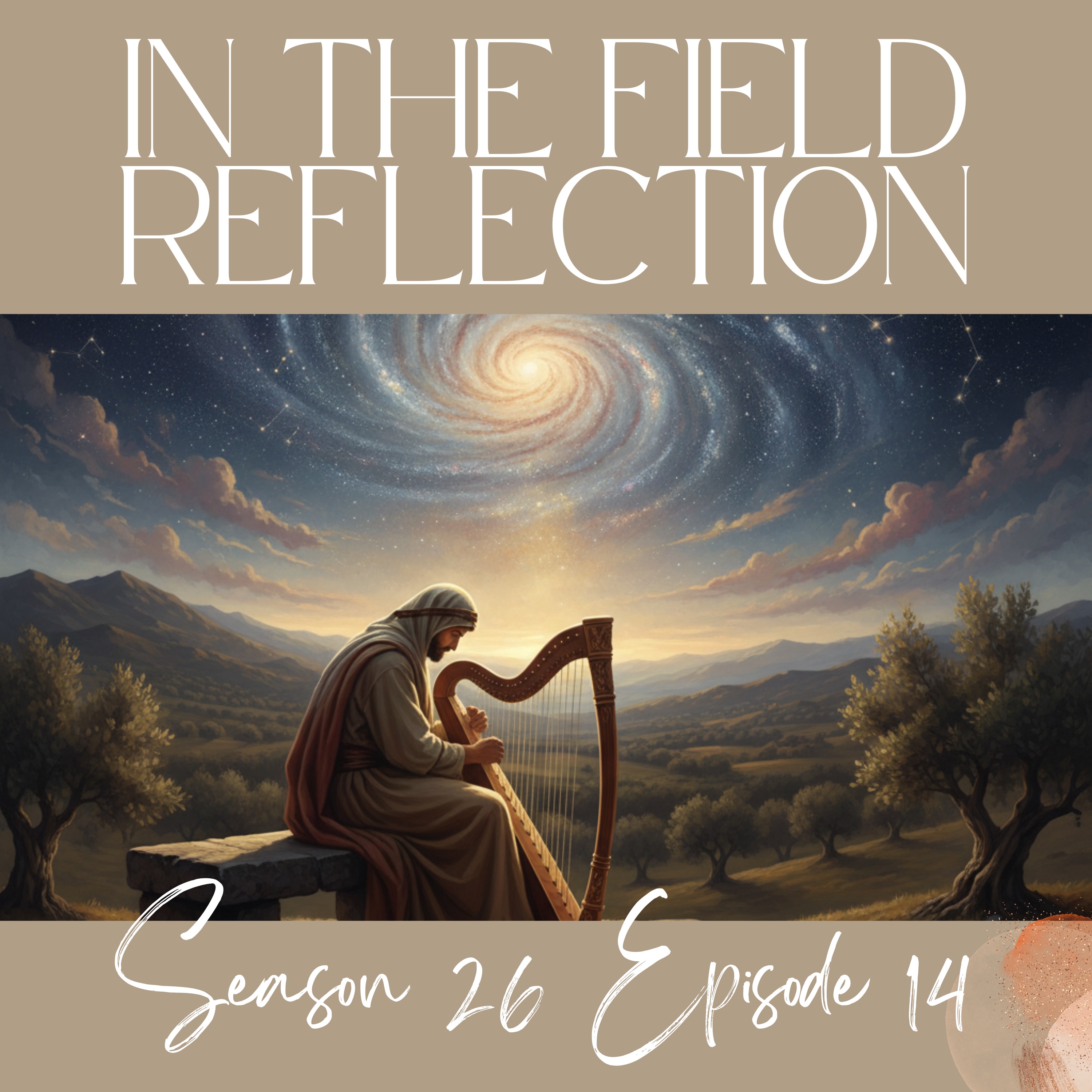
Psalm 14 is a startling mirror for any age that prizes busyness over faithfulness when faith becomes afterthought. The reflection opens with the host welcoming listeners into a quiet, prayerful space, then moves into David’s vantage point as he watches Jerusalem wake. The city looks ordered and religious, yet the psalm exposes something deeper people can speak the language of covenant while living as if God is irrelevant. That’s the episode’s core theme, practical atheism, not just denying God with words but with choices. It shows up in workplaces where integrity is punished, in leadership where power becomes protection, and in communities that agree on a lie until it feels safe. Keywords like Psalm 14 devotional, guided bible reading, spiritual renewal, and Christian meditation fit naturally here because the aim is both understanding and heart change.
The episode traces the consequences Psalm 14 names with blunt clarity: corruption, violence, exploitation, and the slow devouring of the poor through systems and indifference. David’s grief is communal, not just personal, and the host connects that to modern injustice, spiritual drift, and the exhaustion of trying to do what is right when it seems to make no difference. A key takeaway is the difference between condemnation and conviction. Condemnation says there is no way back; conviction says there is a way home. The psalm becomes a doorway into repentance and a call to wake up, to stop excusing what is eroding the soul, and to remember that God “looks down” to see who seeks Him. That image is comforting because heaven is not indifferent, and unsettling because we cannot hide behind our own stories.
From there, the reflection turns toward refuge, one of the episode’s strongest anchors for spiritual encouragement. In David’s landscape, refuge is not abstract; it is a cave, a city wall, a faithful friend, the difference between life and death. The host invites listeners to examine fear and anger honestly: is fear pulling you away from God or drawing you toward Him, and can anger become intercession rather than bitterness? The episode also insists that God’s silence is not the same as God’s absence. Silence can reveal hearts, deepen hunger for God, and keep us from chasing outcomes more than the Lord Himself. This is why the guided Scripture reading and meditation style matters: it slows the listener down long enough to feel the weight of the text without rushing past it.
The psalm’s ending shifts the atmosphere from exposure to hope: “Oh that deliverance for Israel would come from Zion.” The host connects that longing to Christian faith by widening the horizon toward Jesus Christ, while still letting the psalm be felt in its own tension. Salvation is not merely a change of circumstances; it is God drawing near. The closing reflection offers a simple prayer many can carry through the day: keep me from being foolish, keep me from forgetting You, make me a refuge for the vulnerable, make me faithful when faithfulness feels costly. The episode’s practical takeaway is clear: you do not have to solve the world’s corruption alone, but you can choose to seek the Lord, keep your heart tender, and live as if God truly sees, judges justly, and shelters the righteous.
Missionary
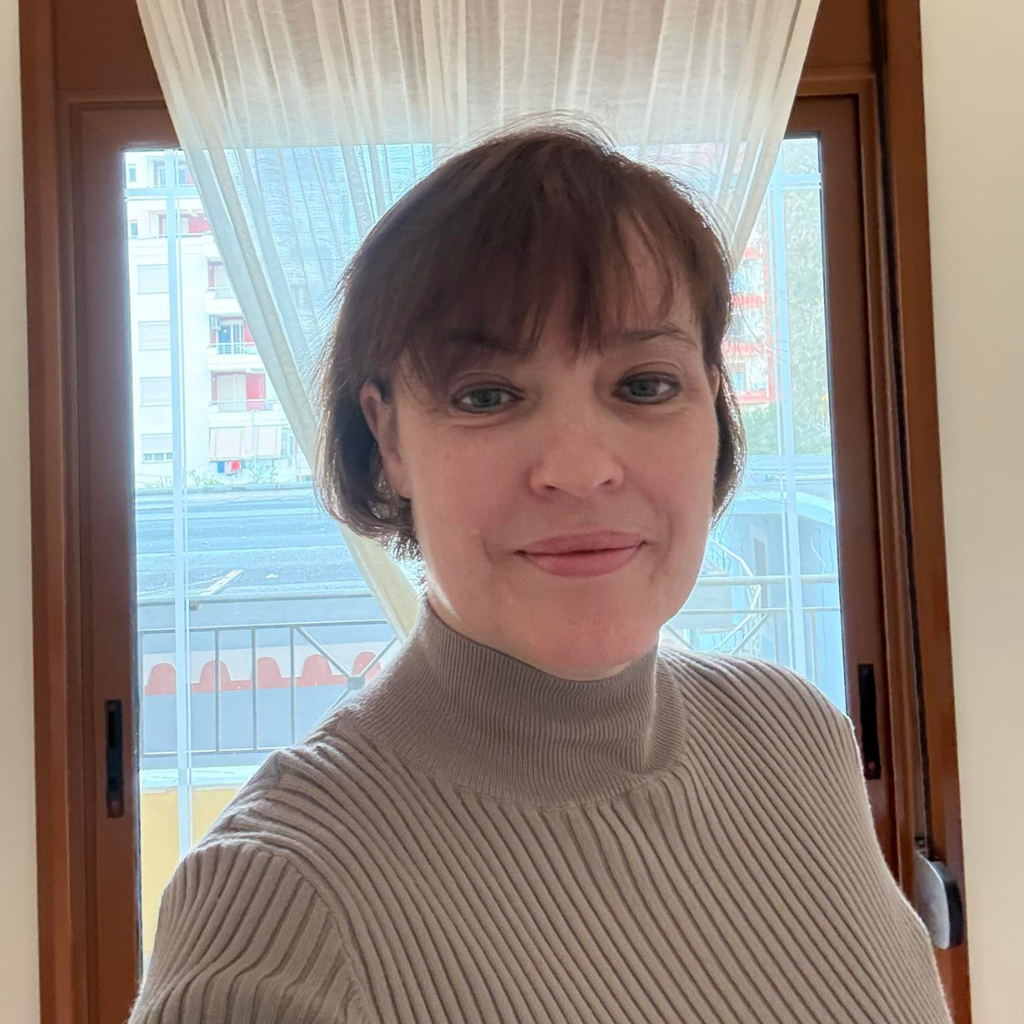
Christie is a missionary, ordained pastor, and chaplain—a dedicated servant of faith whose life and ministry are centered on sharing God’s Word and bringing comfort to those in need. With a heart shaped by years of military service and missionary outreach in the Caribbean, Africa, and Europe, Christie has long been drawn to serve people from all walks of life.
During her time serving in Thessaloniki, Greece, Christie led a street ministry focused on reaching the city’s homeless community. Equipped with compassion, prayer, and audio bibles in the Greek language, she shared the hope of the Gospel with those living on the margins—offering not just Scripture, but presence, listening, and love.
Her work through In the Field Audio Bible is a natural extension of that calling. These recordings allow Christie to reach listeners with the soothing, uplifting power of God’s Word, whether they are at home, in shelters, or navigating life’s most difficult roads. With every reading, she brings warmth, empathy, and a deep sense of God’s presence—creating sacred moments of peace, encouragement, and spiritual connection.
In August 2025, Christie moved to Vlorë, Albania, continuing her mission to deliver the audio bible to those in need—bringing the hope of Scripture to a new community longing for truth, comfort, and the presence of God.
Christie’s mission remains simple but profound: to offer the gift of faith, comfort, and the transformative hope of Scripture—one verse, one voice, and one soul at a time.
Taking a few months away from the podcast … Read More
Name Over Noise: Answer Us When We Call