Agora Secrets Exposed: When Justice Becomes Sin
Corinth is loud, competitive, and hungry, and this guided Bible meditation places us in an upper room as Paul finishes a hard letter with a tender heart, warning what happens when justice becomes sin. The podcast blends immersive storytelling with a clear Scripture reading of 1 Corinthians 6, creating space for Christian reflection, prayerful listening, and spiritual formation. The point is not to “win” a debate but to let God’s living word land with weight. If you are looking for a Christian podcast that supports quiet time, Bible study habits, and deeper discipleship, this chapter offers both comfort and conviction in the same breath.
A major theme is the conflict between believers and its impact on the church’s witness. Paul’s grief is not only about legal disputes but about a community airing its family wounds in public and calling it wisdom. The language is blunt: lawsuits among brothers and sisters are “already a defeat,” because the church loses something before any verdict is read. The episode presses practical questions about Christian conflict resolution: Who are we becoming when we demand to be right? What would it look like to seek wise counsel inside the community, pursue reconciliation, accept being wronged, and refuse the performance of outrage that our culture rewards?
From there, the conversation moves underneath the courtroom into identity, freedom, and the body. Corinth’s slogan sounds modern: “I belong to myself.” Paul counters with resurrection theology and embodied holiness: the body is for the Lord, and the Lord for the body. Sexual immorality is not framed as a minor private choice but as a distortion that treats people like objects and trains the soul to call slavery “freedom.” The episode ties together keywords central to Christian ethics and theology of the body: union with Christ, one flesh, the Holy Spirit, and the promise that God will raise our bodies.
The turning point is belonging: “You were washed… sanctified… justified… bought with a price.” That language reframes obedience as refuge, not shame, and it gives a path for anyone trying to live faithfully in a persuasive city. Modern “Corinth” can look like status battles, social media spectacle, pornography, hookup culture, greed, or using other people to soothe pain. The episode’s takeaway is simple and costly: glorify God in your body through concrete choices, repaired relationships, and a refusal to turn life into a marketplace. Holy freedom is not doing whatever you want; it is becoming whole in Christ.
Missionary
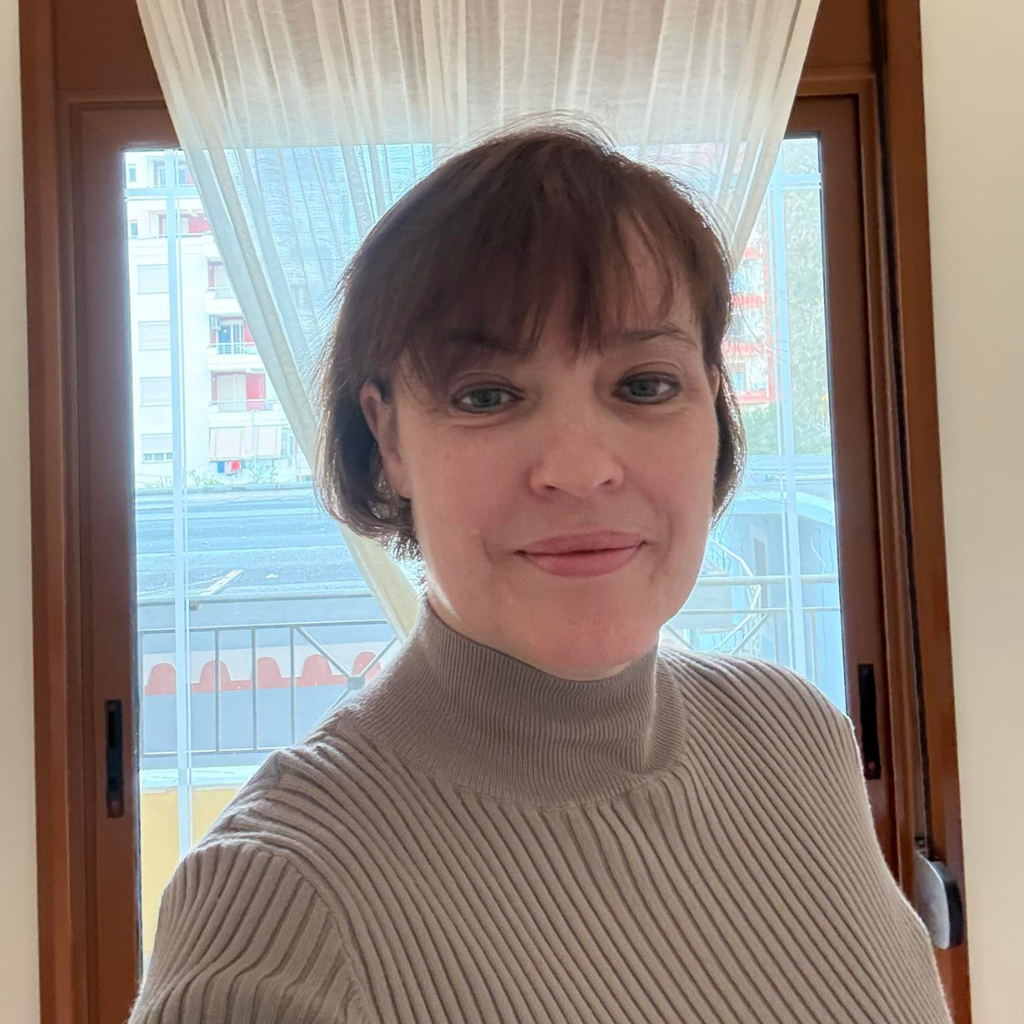
Christie is a missionary, ordained pastor, and chaplain—a dedicated servant of faith whose life and ministry are centered on sharing God’s Word and bringing comfort to those in need. With a heart shaped by years of military service and missionary outreach in the Caribbean, Africa, and Europe, Christie has long been drawn to serve people from all walks of life.
During her time serving in Thessaloniki, Greece, Christie led a street ministry focused on reaching the city’s homeless community. Equipped with compassion, prayer, and audio bibles in the Greek language, she shared the hope of the Gospel with those living on the margins—offering not just Scripture, but presence, listening, and love.
Her work through In the Field Audio Bible is a natural extension of that calling. These recordings allow Christie to reach listeners with the soothing, uplifting power of God’s Word, whether they are at home, in shelters, or navigating life’s most difficult roads. With every reading, she brings warmth, empathy, and a deep sense of God’s presence—creating sacred moments of peace, encouragement, and spiritual connection.
In August 2025, Christie moved to Vlorë, Albania, continuing her mission to deliver the audio bible to those in need—bringing the hope of Scripture to a new community longing for truth, comfort, and the presence of God.
Christie’s mission remains simple but profound: to offer the gift of faith, comfort, and the transformative hope of Scripture—one verse, one voice, and one soul at a time.
Taking a few months away from the podcast … Read More
Name Over Noise: Answer Us When We Call