Bread Broken Quietly: Wisdom That Cannot Be Bought
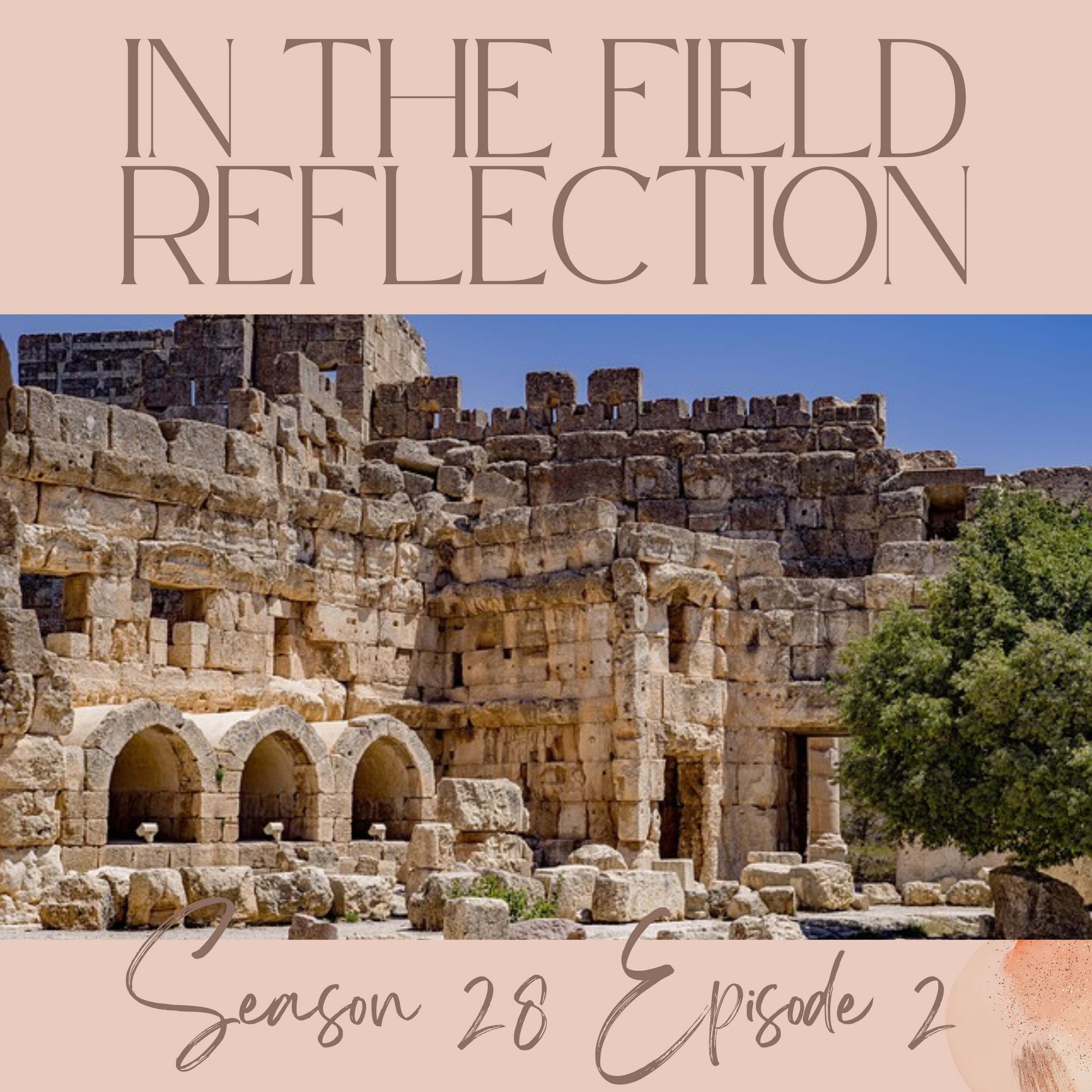
Corinth wakes with clatter and color, and we step beside Paul to ask an old question with fresh urgency: where does true wisdom come from when the city prizes clever words, status, and spectacle? The narrative invites us into a workshop that smells of leather and ink, where bread is torn and a secret fish marks the doorway, pointing to a quiet way. Paul refuses to compete with the rhetoric of the agora. Instead, he names his weakness and points to a different source: the Spirit of God who reveals what no eye has seen and no ear has heard, a wisdom that cannot be bought. This re-centers faith not on performance but on presence, not on argument but on revelation. The heart of the message is simple and radical—Jesus Christ crucified, and that center holds when debates scatter us.
Reading 1 Corinthians 2 aloud becomes a turning point. The text insists that God’s wisdom is hidden to rulers who chase victory and applause. It reframes discernment as a Spirit-led capacity, not merely an intellectual skill. This is not anti-intellectualism; it is a call to rightly ordered loves. We receive, interpret, and live spiritual things by the Spirit, gaining the mind of Christ. That phrase is not a slogan but a new posture: humility that listens, patience that waits, courage that obeys. In a world that monetizes attention, the practice of lingering with Scripture unhurried becomes an act of resistance. The demonstration of the Spirit and power is less fireworks and more a steady flame that warms and clarifies.
Paul’s guidance moves from concept to practice: begin with humility, come as learners, and submit to Scripture, silence, and the loving correction of a community. The early church remembered in kitchens and courtyards, singing psalms underground and setting a table where strangers became family. Unity was not sameness but interwoven gifts—teaching, hospitality, service—each dignified and needed. We learn that discernment grows at the pace of love. It is nurtured when we bless our food, forgive quickly, and carry one another’s burdens. These small acts become the soil where courage can root, because they align our will with Christ’s, not with the city’s fevered demands for visibility.
The scene returns to Corinth’s streets—lamps, figs, a potter closing her stall—and the challenge sharpens. Will we chase loud wisdom or choose the whisper? The Spirit’s voice is faithful in ordinary places: a shared meal, a word of blessing, a hand on a shoulder. Even failure is reframed by grace: Peter’s denial, Thomas’s doubt, Paul’s past all testify that stumbling is not the end when we return to the cross and the table. This is practical spirituality: show up, break bread, pray, forgive, try again. Discernment is apprenticeship to Jesus over time, not a burst of brilliance. The mind of Christ grants clarity to love well when no one is watching.
Finally, the call is tender and firm: be gentle with doubters, bold in love, steadfast in hope. Let every unnoticed kindness resist the city’s cynicism. The Spirit forms a people who outlast trends because their life is anchored in God’s unchanging love. Search engines might call this wisdom “soft,” but it withstands storms. For listeners, the path forward is uncluttered and demanding: fix your eyes on Christ, practice small faithfulness, and share the word that steadies you. The noise won’t stop, but your heart can grow quiet enough to hear the Shepherd. From workshop to street, parchment to practice, the story keeps writing us into its pages until unity looks like family and discernment looks like everyday love.

Missionary
Christie is a missionary and ordained pastor—a dedicated servant of faith whose life and ministry are centered on sharing God’s Word and bringing comfort to those in need. With a heart shaped by years of military service and missionary outreach in the Caribbean, Africa, and Europe, Christie has long been drawn to serve people from all walks of life.
During her time serving in Thessaloniki, Greece, Christie led a street ministry focused on reaching the city’s homeless community. Equipped with compassion, prayer, and audio bibles in the Greek language, she shared the hope of the Gospel with those living on the margins—offering not just Scripture, but presence, listening, and love.
Her work through In the Field Audio Bible is a natural extension of that calling. These recordings allow Christie to reach listeners with the soothing, uplifting power of God’s Word, whether they are at home, in shelters, or navigating life’s most difficult roads. With every reading, she brings warmth, empathy, and a deep sense of God’s presence—creating sacred moments of peace, encouragement, and spiritual connection.
In August 2025, Christie moved to Vlorë, Albania, continuing her mission of delivering the audio bible to those in need—bringing the hope of Scripture to a new community longing for truth, comfort, and the presence of God.
Christie’s mission remains simple but profound: to offer the gift of faith, comfort, and the transformative hope of Scripture—one verse, one voice, and one soul at a time.
Unheard No More: The God Who Sees the Forgotten