No Backroom Deals: A Life God Trusts
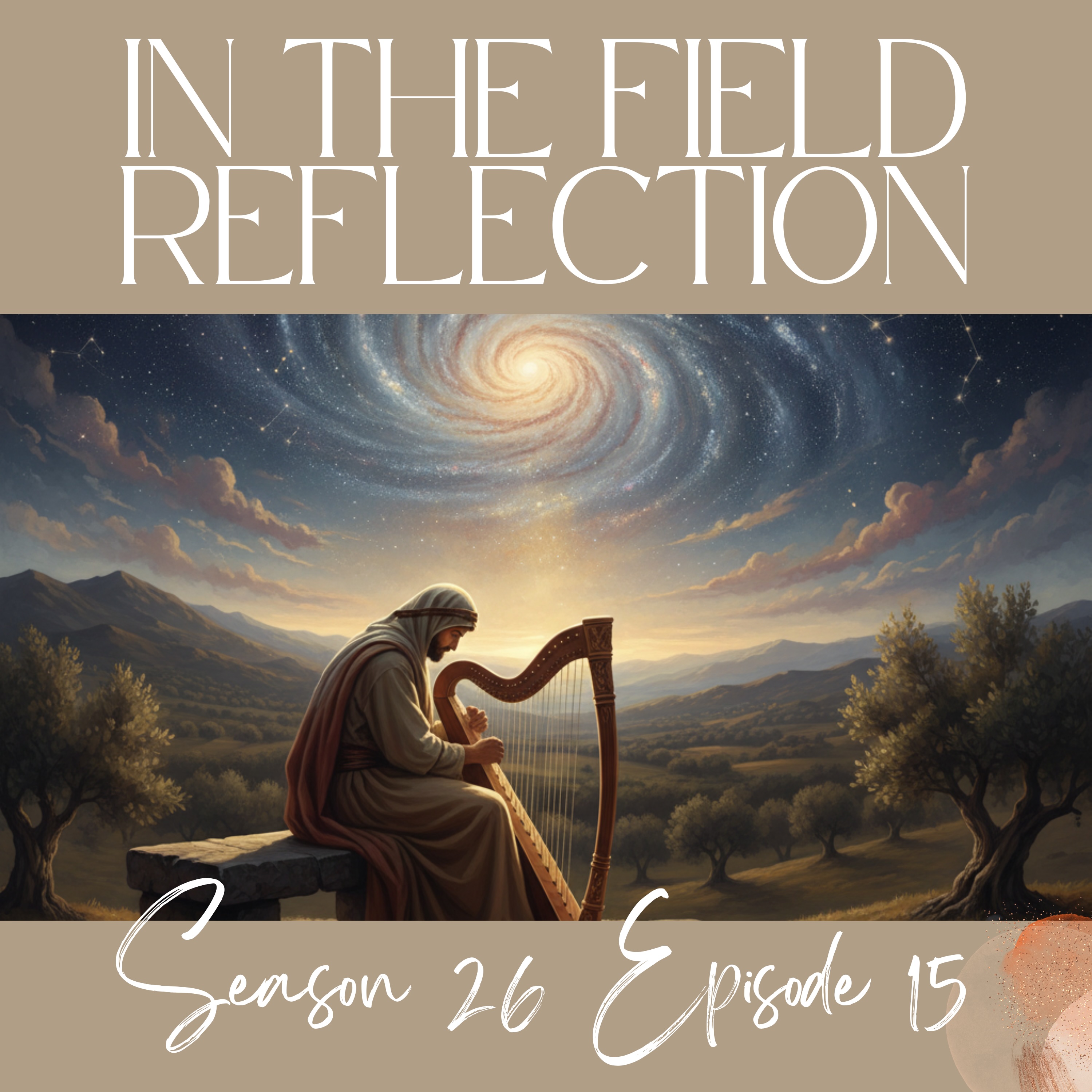
Psalm 15 opens with a question that still stops modern hearts cold: who gets to dwell near God? The reflection frames that question through a vivid nighttime walk in Jerusalem, where faith is not abstract but lived on dusty streets among ordinary people, temptations, and private regrets, shaping a life God trusts. For anyone searching for Christian meditation, spiritual renewal, or a calmer way to approach Scripture, this approach turns Bible reading into a moment of quiet time with God. The listener is invited to slow down, breathe, and let the psalm become a mirror, not for shame, but for healing that leads to real discipleship.
A core theme is the difference between outward religion and inner integrity. The psalm describes a steady life: walking uprightly, doing what is right, and speaking truth from the heart. That last phrase matters because it shifts the focus from image management to honesty before God. The reflection stresses that God is not demanding flawless performance to earn love; God is inviting us to live inside His love with a whole heart. This is Christian spiritual formation in plain language: becoming the same person in public and private, letting integrity replace the exhausting habit of pretending.
The episode lingers on speech ethics because words can quietly destroy community. Psalm 15 warns against slander, harming friends, and shaming neighbors, and the reflection connects those lines to everyday choices: refusing gossip, resisting cruelty disguised as humor, and using the tongue as a lamp instead of a weapon. It also highlights costly faithfulness, like keeping your word even when it hurts, and financial integrity, like rejecting bribes and refusing to exploit others. These are practical Bible lessons for anyone trying to live Christian values at work, at home, and online where compromise is always “just a little.”
Finally, the reflection reframes conviction as mercy. Feeling exposed is not the same as being condemned; the Spirit’s light calls people awake so they can come out of hiding and into freedom. Repentance is described as a doorway of mercy, the moment you stop defending yourself and bring your real self to God. The closing prayer turns Psalm 15 into a daily practice: ask God to guard your mouth, steady your feet, and straighten what is crooked, then walk forward one honest step at a time. For listeners looking for hope, healing, and a stronger Christian life, the takeaway is simple and demanding: God’s presence is an invitation, and integrity is how we learn to rest there.
Missionary
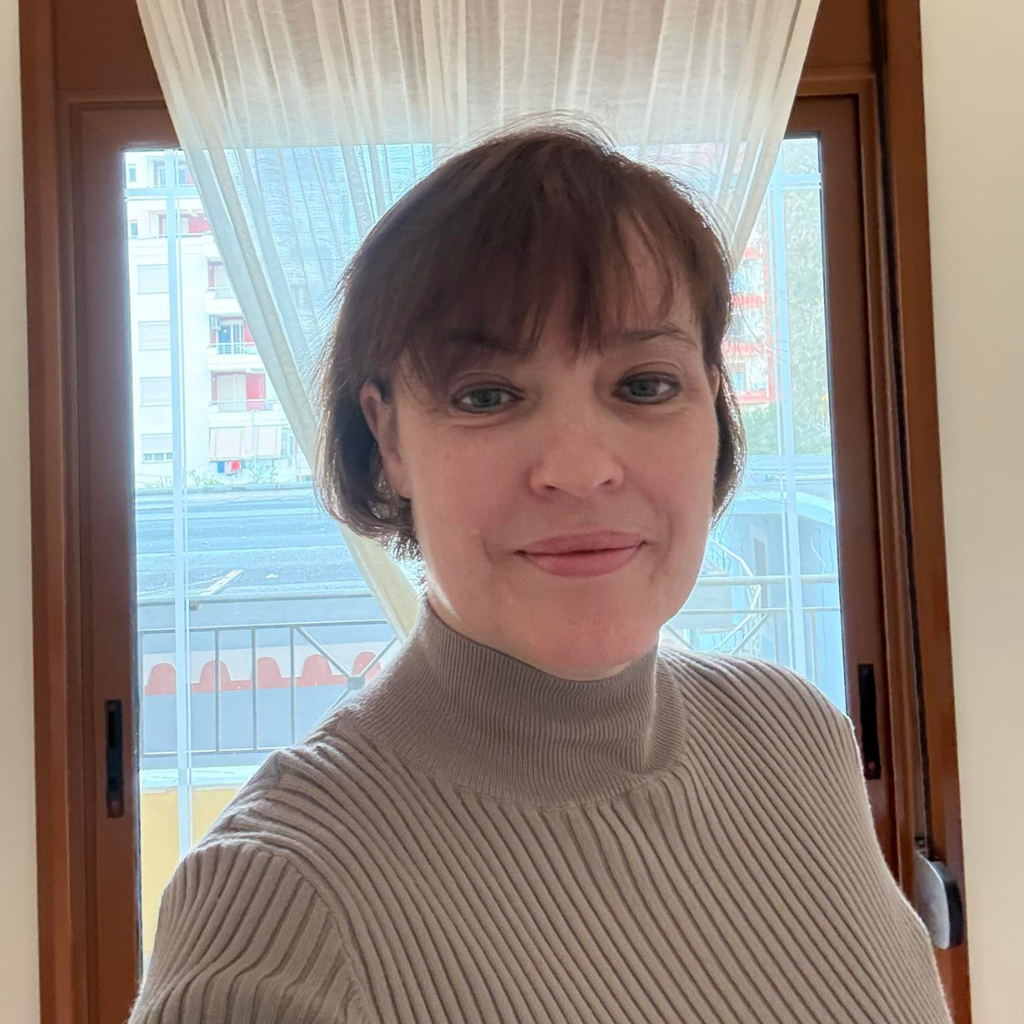
Christie is a missionary, ordained pastor, and chaplain—a dedicated servant of faith whose life and ministry are centered on sharing God’s Word and bringing comfort to those in need. With a heart shaped by years of military service and missionary outreach in the Caribbean, Africa, and Europe, Christie has long been drawn to serve people from all walks of life.
During her time serving in Thessaloniki, Greece, Christie led a street ministry focused on reaching the city’s homeless community. Equipped with compassion, prayer, and audio bibles in the Greek language, she shared the hope of the Gospel with those living on the margins—offering not just Scripture, but presence, listening, and love.
Her work through In the Field Audio Bible is a natural extension of that calling. These recordings allow Christie to reach listeners with the soothing, uplifting power of God’s Word, whether they are at home, in shelters, or navigating life’s most difficult roads. With every reading, she brings warmth, empathy, and a deep sense of God’s presence—creating sacred moments of peace, encouragement, and spiritual connection.
In August 2025, Christie moved to Vlorë, Albania, continuing her mission to deliver the audio bible to those in need—bringing the hope of Scripture to a new community longing for truth, comfort, and the presence of God.
Christie’s mission remains simple but profound: to offer the gift of faith, comfort, and the transformative hope of Scripture—one verse, one voice, and one soul at a time.
Taking a few months away from the podcast … Read More
Name Over Noise: Answer Us When We Call