Worthy Lamb Revealed: Heaven Erupts in Worship
Revelation 5 is one of the most gripping passages in the Bible because it tackles a question most of us carry quietly: is history random, or is it held by God? The episode frames the chapter through the eyes of the apostle John, exiled on Patmos, surrounded by cold stone, salt air, and the ache of persecution. That setting matters for Christian faith and spiritual formation, because Scripture is not abstract comfort. It is hope spoken into pressure. As John moves from the cave to a vision of the heavenly throne room, Heaven erupts in worship. We feel the contrast between earthly empires and God’s reign as we begin to see how worship and suffering can exist in the same breath.
At the center of Revelation 5 is the sealed scroll with seven seals, a symbol of God’s purposes, justice, and redemption brought to completion. The mighty angel’s question, “Who is worthy to open the scroll?”, exposes the limits of power. Worthiness is not the same as strength, influence, or status, and the silence that follows is terrifying because it suggests a world where evil persists unchallenged. John’s weeping is not melodrama; it is the honest grief of anyone who has watched injustice linger, prayers feel unanswered, or the vulnerable get crushed. This section makes Revelation 5 intensely practical: it names our longing for God to set things right and our fear that the story might remain “sealed.”
Hope arrives in a surprising way. An elder points John to the Lion of the tribe of Judah, the root of David, and John looks, expecting a conqueror. Instead, he sees the Lamb of God standing as though slain. This reversal is the heart of the Christian gospel: Jesus conquers through sacrificial love, not coercion. The wounds are not erased; they are carried into glory as testimony. For listeners seeking Bible study insight, this is a crucial point in interpreting Revelation: the authority to open the seals belongs to Jesus because of the cross and resurrection. The Lamb is worthy because he was slaughtered and by his blood he ransomed people for God from every tribe, language, people, and nation.
The episode also highlights one of the most comforting images for prayer and Christian meditation: golden bowls of incense that are “the prayers of the saints.” Every whispered plea, every prison-cell groan, every tear-soaked hymn is gathered, held, and remembered in heaven. That means prayer is never wasted, even when outcomes lag behind our timelines. Then worship expands in concentric circles, from elders and living creatures to myriads of angels to every creature in creation, declaring honor and glory to the One on the throne and to the Lamb forever. For anyone struggling with fear, this is the takeaway: Caesar does not hold the scroll. The world is not in the hands of violence. It is in the pierced hands of Christ, and that reality steadies us to keep living faithfully.
Missionary
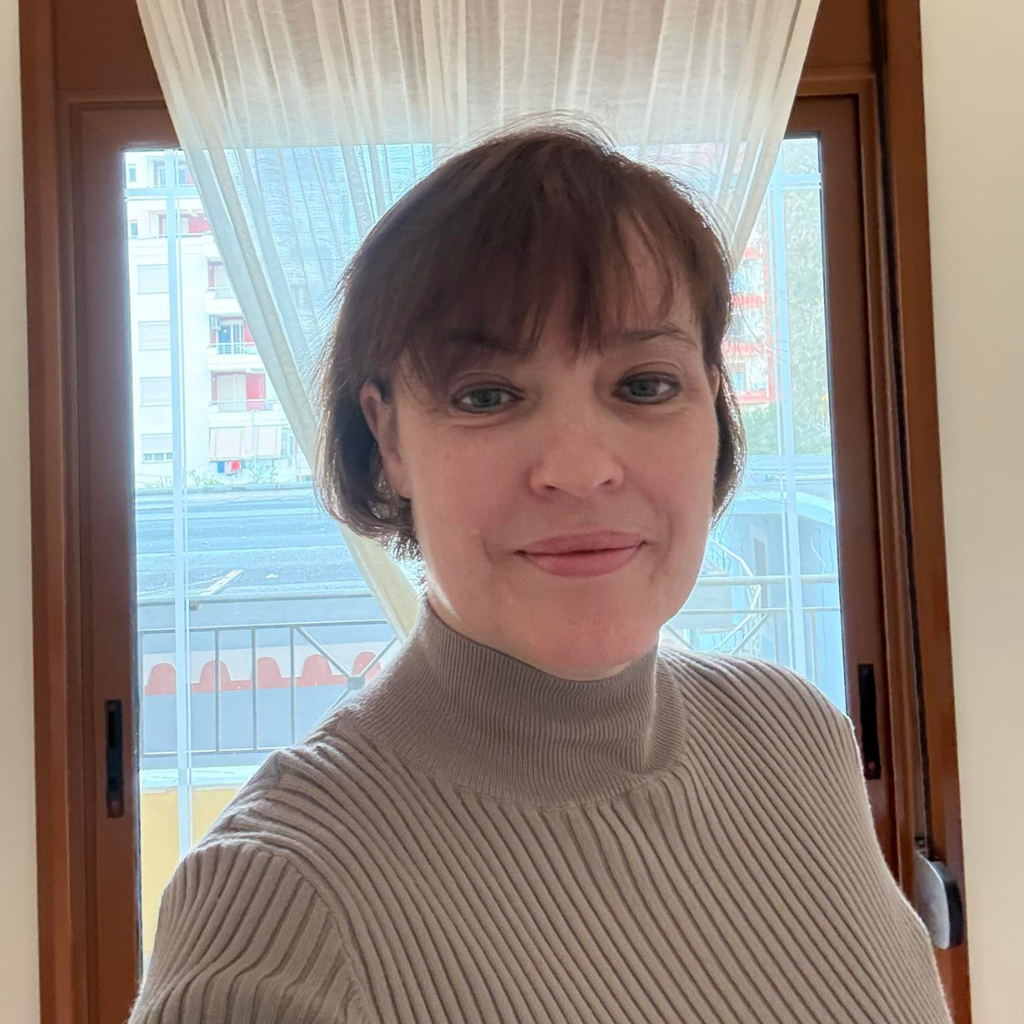
Christie is a missionary, ordained pastor, and chaplain—a dedicated servant of faith whose life and ministry are centered on sharing God’s Word and bringing comfort to those in need. With a heart shaped by years of military service and missionary outreach in the Caribbean, Africa, and Europe, Christie has long been drawn to serve people from all walks of life.
During her time serving in Thessaloniki, Greece, Christie led a street ministry focused on reaching the city’s homeless community. Equipped with compassion, prayer, and audio bibles in the Greek language, she shared the hope of the Gospel with those living on the margins—offering not just Scripture, but presence, listening, and love.
Her work through In the Field Audio Bible is a natural extension of that calling. These recordings allow Christie to reach listeners with the soothing, uplifting power of God’s Word, whether they are at home, in shelters, or navigating life’s most difficult roads. With every reading, she brings warmth, empathy, and a deep sense of God’s presence—creating sacred moments of peace, encouragement, and spiritual connection.
In August 2025, Christie moved to Vlorë, Albania, continuing her mission to deliver the audio bible to those in need—bringing the hope of Scripture to a new community longing for truth, comfort, and the presence of God.
Christie’s mission remains simple but profound: to offer the gift of faith, comfort, and the transformative hope of Scripture—one verse, one voice, and one soul at a time.
Taking a few months away from the podcast … Read More
Name Over Noise: Answer Us When We Call