Walls and Whispers: Faith Under Open Threat
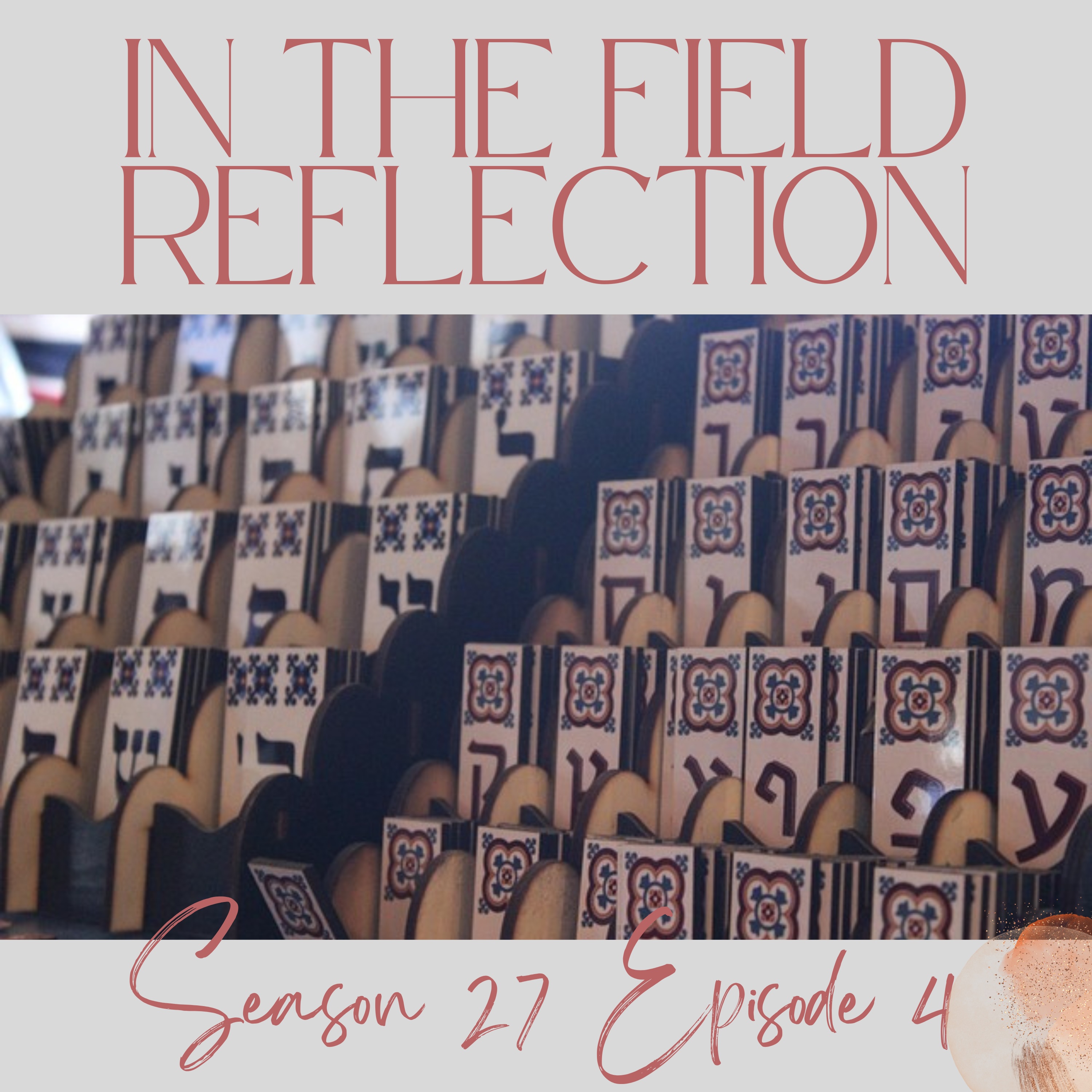
Nehemiah 4 is not a distant history lesson in grit; it is a blueprint for spiritual resilience, Christian leadership, and community faith under open threat. The story opens with Jerusalem waking before the sun, where rubble and hope sit side by side. We hear the sounds of rebuilding the wall, meet families and craftsmen working shoulder to shoulder, and watch Nehemiah trade comfort for conviction. For anyone searching for a Bible study on perseverance, this chapter shows that restoration often begins in ordinary places: dust, callused hands, and a decision to return to what God has asked us to rebuild.
A striking thread in this reflection is the craft of rebuilding itself, because the work is not only spiritual, it is practical. Stones arrive too large, and skilled hands must break them with precision. The lesson lands with force: “Stone is not your enemy, it is your teacher.” Strike with anger and it shatters; strike with patience and it yields what you need. That is a spiritual discipline wrapped in construction language, a powerful Christian devotional idea for anyone facing setbacks. The obstacles are not just interruptions; they can train wisdom, patience, and discernment when we let God shape our responses.
The episode also lingers on the engineering of a strong wall, which becomes a metaphor for a strong life of faith. Foundation stones go deep because rain erodes and time weakens. Facing stones are fitted tight so an enemy cannot find a foothold. Fill is packed in between to give mass and strength. That structure mirrors spiritual formation: deep foundations in Scripture, visible practices that hold integrity under scrutiny, and the “fill” of daily habits that make faith durable. If you want practical Christian encouragement, this passage ties prayer to planning, and trust in God to disciplined work.
Opposition arrives with mockery, intimidation, and threats, and the response is both prayer and protection: “So we prayed to our God and set a guard as a protection against them day and night.” Nehemiah’s leadership rejects panic and builds organization. People work with one hand and hold a weapon with the other, sleep in their clothes, and keep watch without pretending the danger is not real. The core takeaway is not bravado; it is steady faith under pressure. Fear is a tool enemies use, but faith is a stronger tool when a community stays unified.
Finally, the wall becomes more than defense. Nehemiah names the deeper reason: dignity, identity, and a future for God’s people. “A city without walls is a city without identity,” vulnerable and exposed. That line speaks to modern listeners rebuilding boundaries, rebuilding trust, rebuilding spiritual rhythms, or rebuilding a sense of belonging. The chapter ends with a quiet resolve: courage is not the absence of fear, but the decision to build in spite of it. For anyone seeking a Bible meditation, an audio Bible experience, or a faith-based podcast for calm and clarity, Nehemiah 4 invites a simple next step: keep building, slowly, steadily, together.
Missionary
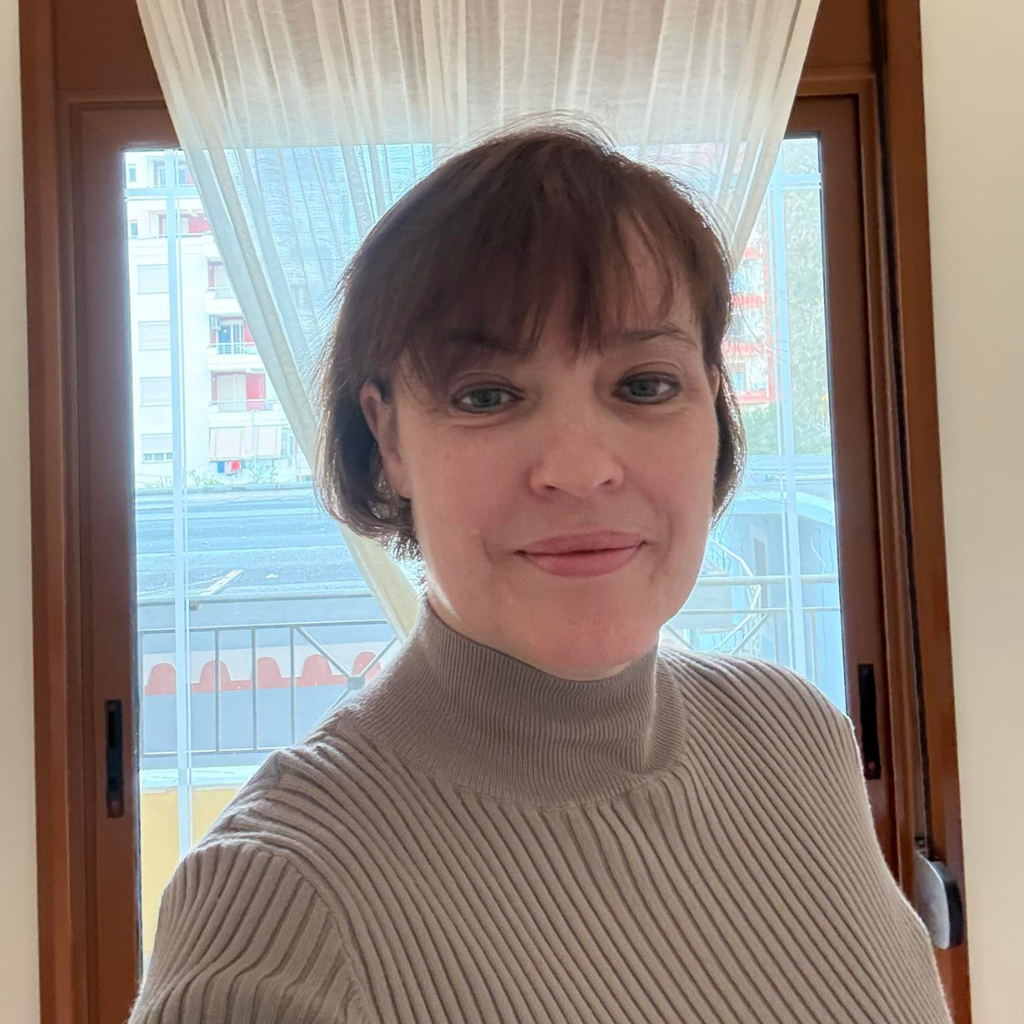
Christie is a missionary, ordained pastor, and chaplain—a dedicated servant of faith whose life and ministry are centered on sharing God’s Word and bringing comfort to those in need. With a heart shaped by years of military service and missionary outreach in the Caribbean, Africa, and Europe, Christie has long been drawn to serve people from all walks of life.
During her time serving in Thessaloniki, Greece, Christie led a street ministry focused on reaching the city’s homeless community. Equipped with compassion, prayer, and audio bibles in the Greek language, she shared the hope of the Gospel with those living on the margins—offering not just Scripture, but presence, listening, and love.
Her work through In the Field Audio Bible is a natural extension of that calling. These recordings allow Christie to reach listeners with the soothing, uplifting power of God’s Word, whether they are at home, in shelters, or navigating life’s most difficult roads. With every reading, she brings warmth, empathy, and a deep sense of God’s presence—creating sacred moments of peace, encouragement, and spiritual connection.
In August 2025, Christie moved to Vlorë, Albania, continuing her mission to deliver the audio bible to those in need—bringing the hope of Scripture to a new community longing for truth, comfort, and the presence of God.
Christie’s mission remains simple but profound: to offer the gift of faith, comfort, and the transformative hope of Scripture—one verse, one voice, and one soul at a time.
Taking a few months away from the podcast … Read More
Name Over Noise: Answer Us When We Call