Holy Alarm Clocks: When Locusts Become Messengers
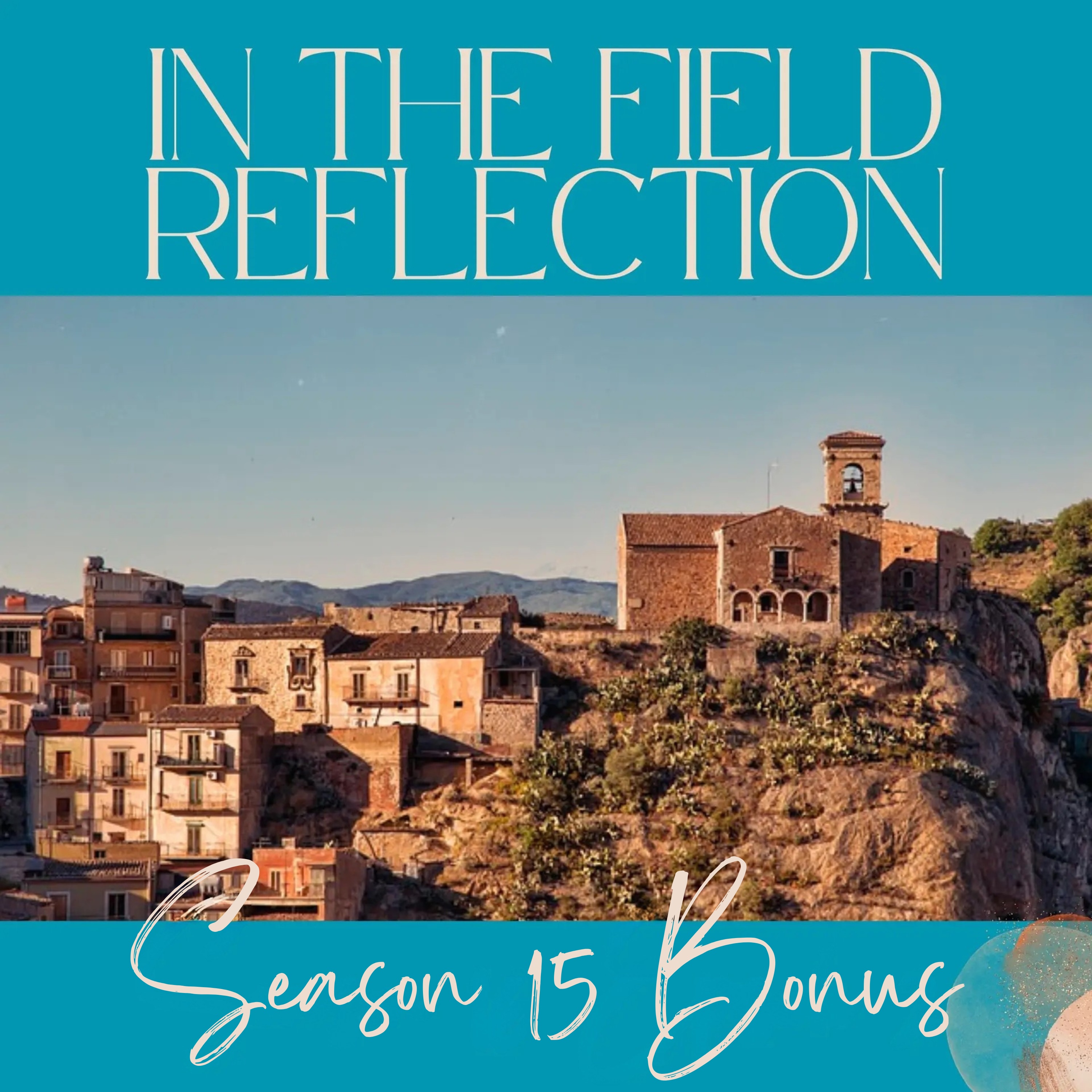
The Book of Joel begins with a scene that feels painfully familiar to anyone who has watched life get stripped down to the stalk when locusts become messengers. A locust plague devastates the land, leaving empty fields, ruined grain, and joy that has dried up with the harvest. In this bonus episode of In the Field Audio Bible, we linger over Joel’s vivid imagery because it is more than ancient history. It is spiritual language for seasons of loss, burnout, and numb worship. Joel calls every group to pay attention, from elders to priests to everyday workers, because devastation can become a wake-up call that exposes what we have slowly drifted from.
Joel’s message is not curiosity about bugs and weather, but a sober warning about the Day of the Lord. The book intensifies from a natural disaster into apocalyptic language: earth shaking, heavens trembling, sun and moon darkened. Yet right when fear could take over, the heart of God interrupts the dread with grace. “Even now, return to me with all your heart” is the hinge of the book and the hinge of real repentance. Joel makes repentance personal and inward, insisting on transformed desires, not public performance. “Rend your heart and not your garments” becomes a clear call to honest faith, sincere prayer, fasting, and a return to God’s presence.
Then the tone changes again, shifting from warning to restoration and hope. God promises to repay “the years the locusts have eaten,” a line that resonates with anyone grieving wasted time, broken trust, or opportunities lost. Restoration in Joel is not denial of pain; it is God speaking into barren ground with authority to renew. The prophetic horizon expands into one of the Bible’s most important promises: God will pour out his Spirit on all people. Sons and daughters prophesy, old and young receive dreams and visions, and the Spirit is no longer limited to a select few. This is a foundation for Christian hope, spiritual awakening, and the democratizing work of the Holy Spirit.
Joel’s prophecy also connects directly to the New Testament, making it essential for Bible study and biblical theology. At Pentecost, Peter quotes Joel to explain what is happening as the Spirit falls on the early church. The promise lands not only on Israel but on a Spirit-filled people drawn from every background, including the weak, overlooked, and ordinary. Joel shows that revival is not hype; it is God keeping covenant, reanimating worship, and empowering faithful witness. When we read Joel today, we are invited to ask where we have limited God to ritual, where we have settled for dryness, and where we need the Spirit’s renewing power.
Finally, Joel gathers the nations for judgment, reminding us that God cares about justice, oppression, and the way the vulnerable are treated. The valley of decision is not merely doom; it is the place where justice meets mercy and where God’s people learn that the Lord dwells with them. The closing images are surprisingly tender: mountains dripping new wine, hills flowing with milk, and living water flowing from the Lord’s house. What starts in desolation ends in abundance, communion, and God making his home among his people again. Joel teaches us to listen to the silence after the storm and to believe that no matter what the locusts have taken, it is never too late to return.

Missionary
Christie is a missionary, ordained pastor, and chaplain—a dedicated servant of faith whose life and ministry are centered on sharing God’s Word and bringing comfort to those in need. With a heart shaped by years of military service and missionary outreach in the Caribbean, Africa, and Europe, Christie has long been drawn to serve people from all walks of life.
During her time serving in Thessaloniki, Greece, Christie led a street ministry focused on reaching the city’s homeless community. Equipped with compassion, prayer, and audio bibles in the Greek language, she shared the hope of the Gospel with those living on the margins—offering not just Scripture, but presence, listening, and love.
Her work through In the Field Audio Bible is a natural extension of that calling. These recordings allow Christie to reach listeners with the soothing, uplifting power of God’s Word, whether they are at home, in shelters, or navigating life’s most difficult roads. With every reading, she brings warmth, empathy, and a deep sense of God’s presence—creating sacred moments of peace, encouragement, and spiritual connection.
In August 2025, Christie moved to Vlorë, Albania, continuing her mission to deliver the audio bible to those in need—bringing the hope of Scripture to a new community longing for truth, comfort, and the presence of God.
Christie’s mission remains simple but profound: to offer the gift of faith, comfort, and the transformative hope of Scripture—one verse, one voice, and one soul at a time.
Taking a few months away from the podcast … Read More
Name Over Noise: Answer Us When We Call