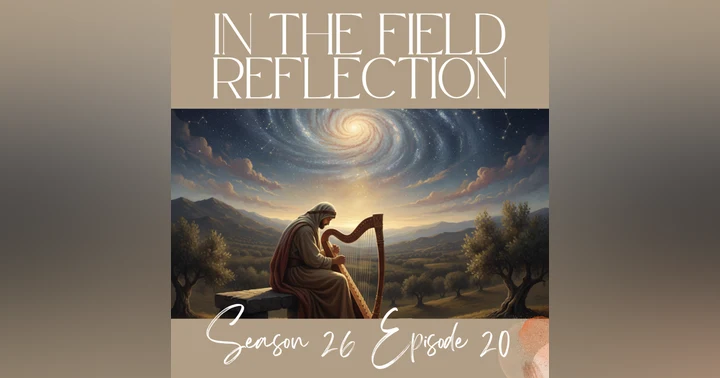
God's Real Answer: What Silence Actually Means
Habakkuk reads like a private journal written in the dark, where a faithful person refuses to pretend that the world is fine. The prophet looks straight at violence, corruption, and broken courts and asks God the question so many of us carry: How long? This episode of In the Field Audio Bible lingers on that spiritual tension, naming the pain without rushing to easy comfort. For listeners searching for meaning amid injustice, suffering, or unanswered prayer, Habakkuk offers a rare model of honest faith. Biblical lament is not a lapse in belief; it is a way of staying in relationship with God when life feels wrong, and it gives language to anyone wrestling with doubt, disappointment, or what silence actually means when God doesn't answer the way we expect.
The turning point comes when God answers, but with a response that complicates everything. Instead of immediate relief, God says judgment is coming through Babylon, a ruthless empire that seems even more wicked than Judah. That moment captures a hard theme in the Book of Habakkuk: God’s sovereignty does not always match our expectations of timing, strategy, or fairness. The episode explores how this shock drives Habakkuk to the watchtower, a posture of waiting that is active rather than passive. He stations himself like a sentinel, choosing to listen and look for God instead of walking away. Spiritually, that watchtower becomes a practice for modern believers: prayer that stays present, patience that does not deny grief, and trust that holds steady when outcomes feel delayed.
God’s next words carry the book’s center of gravity: “Though it linger, wait for it,” and “the righteous will live by faith.” This is not faith as wishful thinking, but faith as endurance when sight, comfort, and certainty fail. The episode also highlights the five woes pronounced over Babylon, condemning greed, exploitation, violence, drunkenness, and idolatry. These warnings read like a mirror for every nation and every heart tempted to trust power over justice. Then a quiet line reframes the whole storm: “The Lord is in his holy temple; let all the earth be silent.” Habakkuk’s message is not that evil is trivial, but that God still reigns even when history feels chaotic.
The closing movement is a prayer that becomes a song, reaching one of Scripture’s most striking declarations of resilient joy: even if the fig tree does not bud and the fields produce no food, “yet I will rejoice in the Lord.” The episode emphasizes how this is not blind optimism or denial, but faith forged in the fire of real loss. Habakkuk does not receive every answer, yet he gains a deeper vision of God’s character, mercy, and strength. The final image is not a prophet stuck in the valley, but lifted to the heights, steady-footed like a deer. For anyone seeking biblical encouragement, spiritual growth, and practical faith in hard times, Habakkuk offers a path: ask honestly, wait faithfully, live by faith, and choose worship even before circumstances change.
Missionary
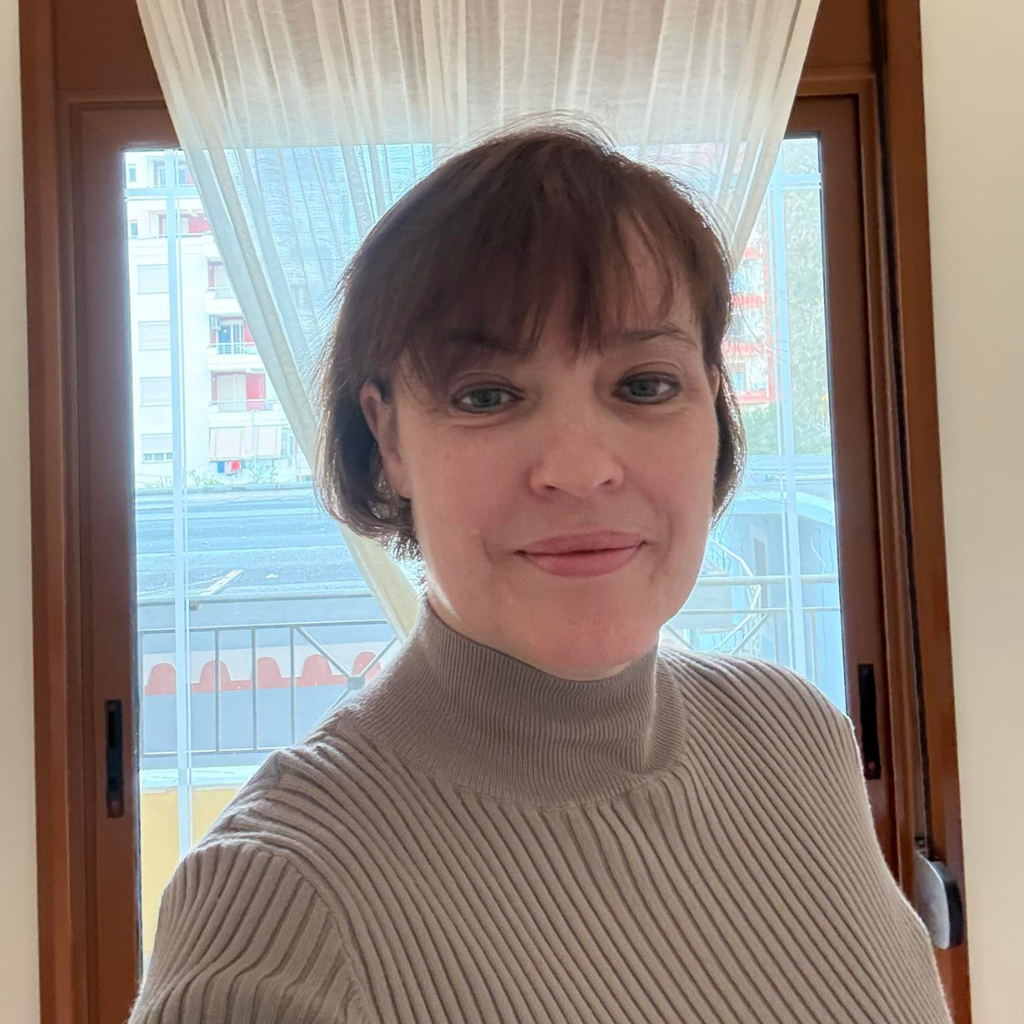
Christie is a missionary and ordained pastor whose life and ministry center on sharing God’s Word and comforting those in need. With a heart shaped by years of military service and missionary outreach in the Caribbean, Africa, and Europe, Christie has long been drawn to serve people from all walks of life.
During her time serving in Thessaloniki, Greece, Christie led a street ministry focused on reaching the city’s homeless community. Equipped with compassion, prayer, and audio bibles in the Greek language, she shared the hope of the Gospel with those living on the margins by offering not just Scripture, but presence, listening, and love.
Her work through In the Field Audio Bible is a natural extension of that calling. These recordings allow Christie to reach listeners with the soothing, uplifting power of God’s Word, whether they are at home, in shelters, or navigating life’s most difficult roads. With every reading, she brings warmth, empathy, and a deep sense of God’s presence by creating sacred moments of peace, encouragement, and spiritual connection.
In August 2025, Christie moved to Vlorë, Albania, continuing her mission to deliver the audio bible to those in need. She brings the hope of Scripture to a new community longing for truth, comfort, and the presence of God.
Christie’s mission remains simple but profound: to offer the gift of faith, comfort, and the transformative hope of Scripture one verse, one voice, and one soul at a time.
Before Creation Began: God Already Chose You